What is a toadstool? History, types and unique taste of the winter drink
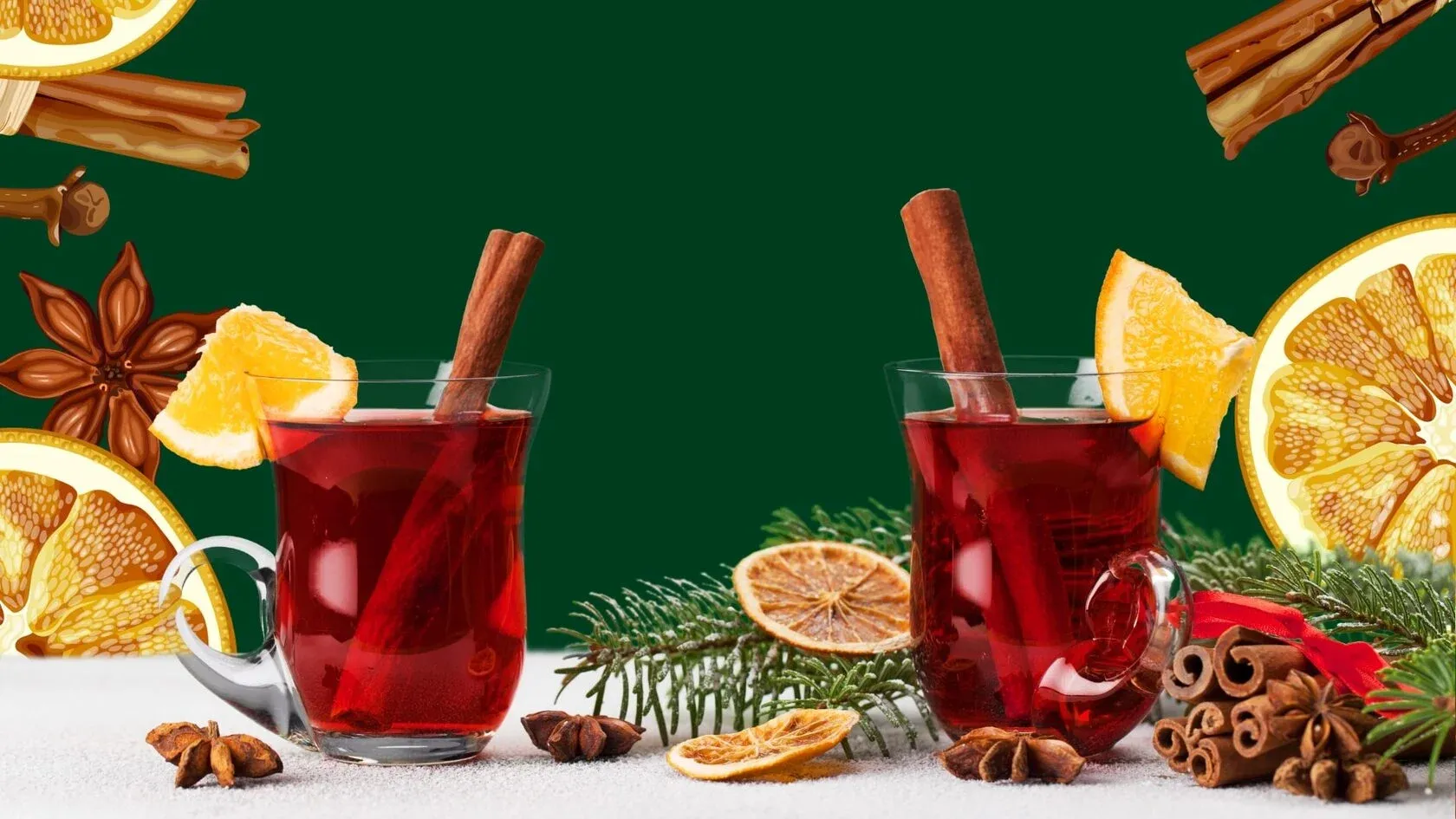
For more than two thousand years, warming drinks have accompanied people in the coldest months of the year. They have passed through the centuries, crossed continents, evolved in dozens of regions of Europe, to finally find us — a restaurant in Gdańsk, where noble wine meets our passion for details.
When does wine become a wine?
Grzaniec is a warm alcoholic drink that is created by the alchemical transformation of wine under the influence of heat and spices. The temperature of 60-80°C is a magic window in which the alcohol does not evaporate yet, but the aromas are already exploding. If it is too cold, the flavors remain locked in the wine, and if it is too hot, everything delicate melts in steam.The basis is wine: red for intensity, white for lightness. In addition, citrus slices of orange, which release essential oils when exposed to heat. The cloves add a characteristic, slightly bitter-sweet note. Cinnamon envelops the whole thing with warmth. Honey or sugar balances the acidity of the wine. And all this together, after fifteen minutes of gentle heating, forms a new drink. The differences between mulled and wine are fundamental. We taste the wine cold or at room temperature, focusing on its characteristics: minerals from the soil, fruits from grapes, oak from barrels. Grzaniec is something completely different. The heat breaks the structure of the tannins, the alcohol carries the aromas of the spices, and the sweetness masks what in the wine could be too pungent. It's like comparing a fresh apple to an apple pie. The same ingredients, a completely different sensation.The texture also changes. Good wine is light, clean, often sour. The gruel becomes denser, almost oily from honey, which envelops the tongue like a warm blanket. After a good warm up, there is a long, warming soothing effect - the effect of cinnamon and ginger, which stimulate the heat receptors in the mouth.
How did Grzaniec survive the fall of Rome and reach Poland?
The story begins more than two thousand years ago in the Roman Empire. Chef Apitius wrote down the recipe for “Conditum Paradoxum” - five kilograms of honey were used per liter of wine, saffron, pepper, roasted date seeds and mastic were added. The Romans heated this mixture in a special vessel “autephsa”. It was a liquor for the elites.The real culture of drinking mullet was born in the Middle Ages. During the Crusades, regulations moved from the south to the north of Europe. Heating the alcohol made simple sense - they warmed up this way on frosty days.
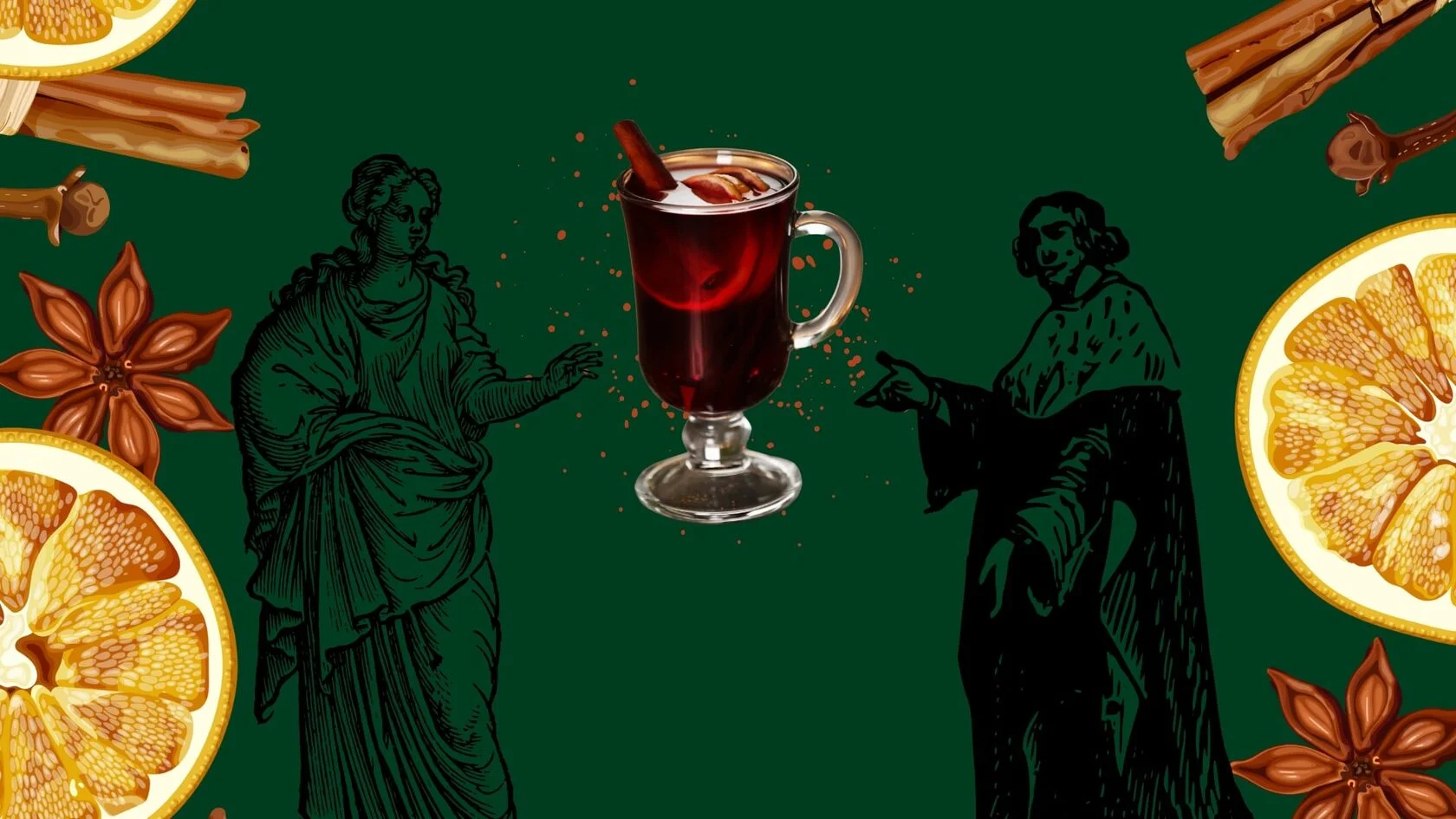
In the 14th century, “hippocras” appeared in France and Spain - named after Hippocrates. Medieval doctors prescribed hot wine as a remedy for colds and weakness. The problem? The spices were expensive — a gram of cinnamon cost as much as a kilogram of meat. Therefore, the grzaniec was a symbol of social status.In Poland, the first mentions appear in the Hanseatic cities — Gdańsk, Elbląg, Toruń. German merchants brought glühwein, but the Poles added honey instead of sugar. The tradition of winter sleigh rides always ended at the campfire with a mug of warming drink.It was not until the 19th century, when spices became available, that the brazier became democratized. In Sweden “glögg” was created, in Saxony August von Wackerbarth experimented with “glühwein”. Today, European winter customs associated with mullet are the foundation of winter culture from Berlin to Bergen.
How did each country in Europe create its own toast?
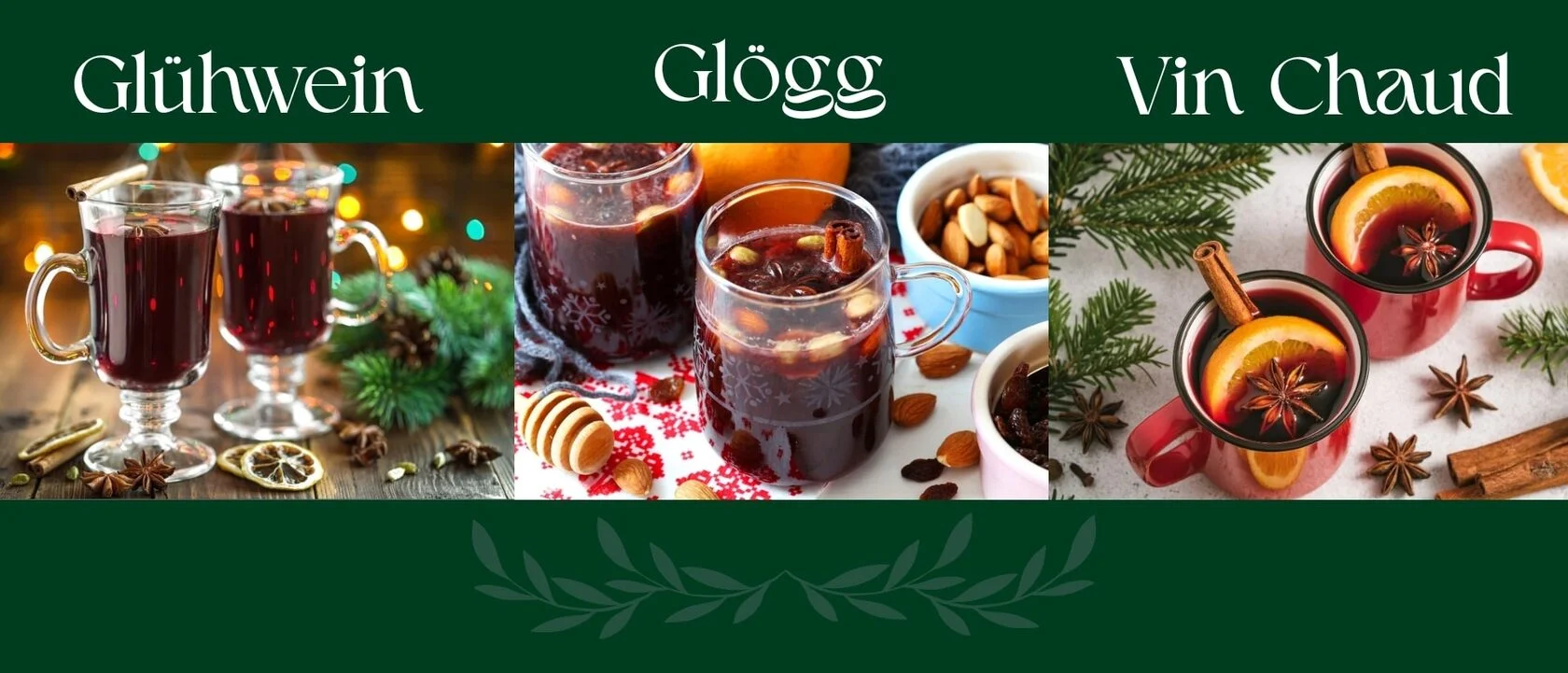
If you walk through the Cologne Christmas market, you will hear: “Ein Glühwein, bitte!” In Stockholm you will order: “En kopp glögg, tack!” In Paris, you ask: “Un vin chaud, s'il vous plaisir!” The same idea, the same spices, but each country has created its own interpretation.
Germany and Austria — glühwein reigns at fairs
On the German “Weihnachtsmarkt”, the aroma of glühwein mixes with the smell of baked sausages and gingerbread. The base is red wine - most often Dornfelder or cheap Merlot - heated with sugar, cinnamon, cloves and orange slices. They serve it in ceramic mugs with the inscription of the city, which tourists take as souvenirs (for a deposit of 2-3 euros) .In Austria, they sometimes add rum, creating a stronger version called “jagertee”. In Bavaria you can find the “feuerzangenbowle” — a spectacular variant where a sugar cone soaked in rum burns over a pot of wine.
Scandinavia — glögg with almonds and power
Swedes, Norwegians and Danes prepare glögg differently. They add not only standard spices to red wine, but also almonds, raisins, cardamom, and sometimes even port or aquavit for more power. They serve it in small cups with a teaspoon, with which soaked raisins and almonds are fished out.These warming drinks are made for climates where winter means a few hours of daylight. In Swedish houses, glögg appears already during Advent — it is sizzled by candles and gingerbread cookies. It's not a drink to drink standing up — it's a ritual that takes time.
{{ctablock}}
France — vin chaud with elegance
The French version is more sophisticated. They use wines from Beaujolais or Côtes du Rhône, add brandy or orange liqueur (Grand Marnier), less sugar than the Germans. The result? Not so sweet toast, in which the aroma of wine is felt much more.In Alsace, closer to the border with Germany, vin chaud resembles more glühwein. But in Paris or Lyon, it is a more subtle drink, often served in cafes as an “apéritif d'hiver” — a cold aperitif.
Great Britain — mulled wine with literary tradition
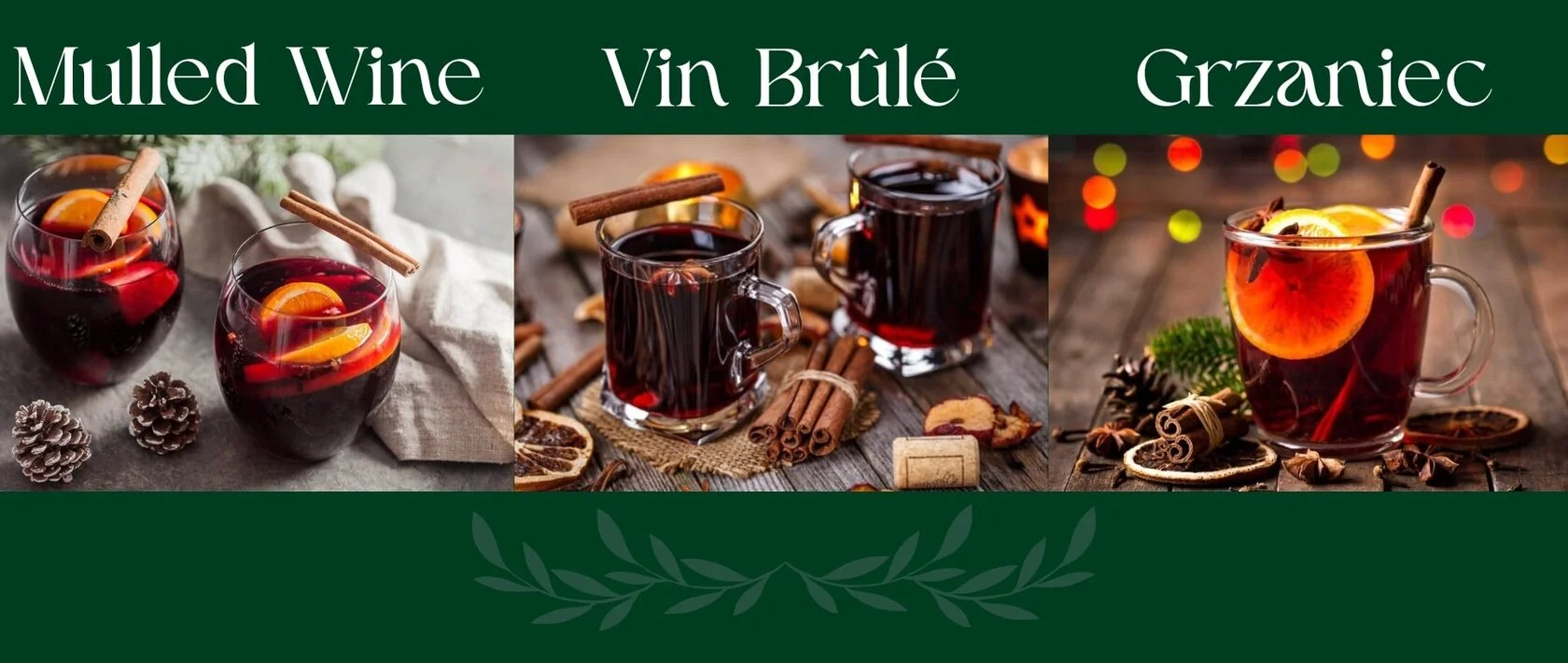
The English have been drinking mulled wine for centuries. Charles Dickens in “The Christmas Eve Tale” describes the “smoking bishop” — a mulled wine with port, cloves and roasted lemons that Scrooge offers to his accountant. The British version often contains brandy or sherry, it is sweeter and stronger than the continental counterparts. At Christmas Markets in London or Edinburgh, they serve it in plastic cups — less romantic than in Germany, but just as effectively warming.
Italy — vin brûlé in the mountains
In the Italian Alps, in Trentino and Alto Adige, vin brûlé is the après-ski standard. After a day on the ski slope, there is no better way to warm up. Italians use local red wines, add a lot of orange peel and sometimes grappa. In the cities, in the north of Italy, vin brûlé appears at fairs, but it has never reached such popularity as in the Alpine countries.
Poland — honey instead of sugar
Our national tradition combines German influences with local customs. Polish grzanec, especially in the southern regions, contains honey — linden, buckwheat or multi-flowered. This gives a different sweetness than sugar — more complex, with floral notes.During winter sleigh rides, in Zakopane or Beskids, grzanec was served from bonfires and was often enhanced with plum brandy. The culture of drinking mulled wine in Poland is also a tradition of meeting at the campfire, singing carols and telling stories.
Red or white? Guide to the types of brazier
The first question that falls at the bar: “red or white?” This decision will change the whole taste experience. It's not a matter of better or worse — it's a matter of mood, timing, and what your palate needs.
Red wine toast
When most people think of mullet, they imagine a deep, ruby liquid in a ceramic mug. Red wine is the foundation of winter drinks that have been served for centuries. Merlot, Pinot Noir, Tempranillo, Syrah — all these strains tolerate heating well.What happens when red wine meets heat? Tannins — compounds that give a bitter, astringent taste in cold wine — become softer and more velvety. The aromas of dark fruits - plum, black currant, cherry - intensify. Alcohol carries these notes straight to the nose, even before taking a sip. The red mullet has a body, it has weight. It's a warm alcoholic beverage that you feel in your stomach — warming, enveloping, almost nutritious. Ideal for a frosty evening when you are returning from a long walk and need immediate warmth.
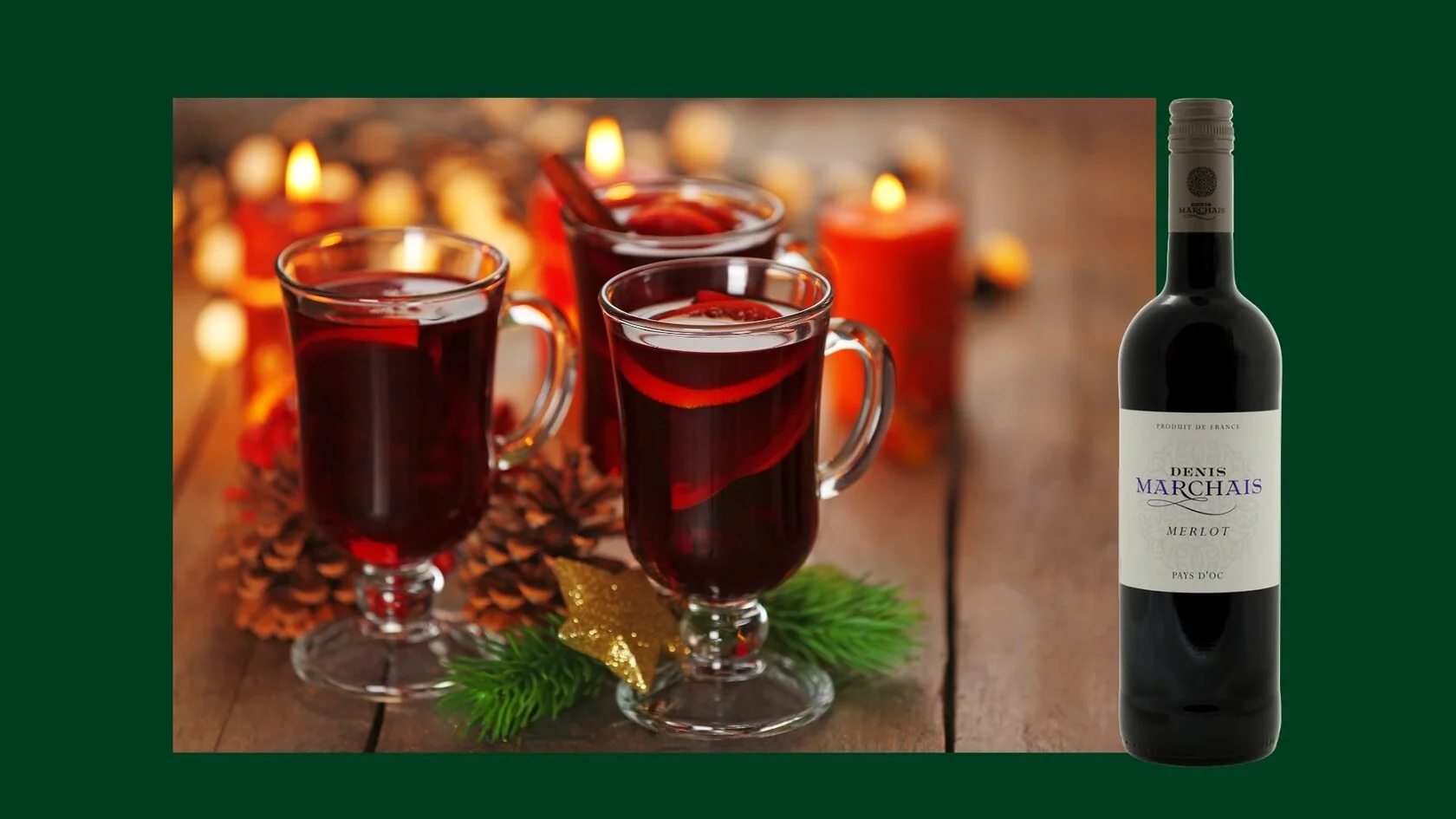
IN Secret Room ours Berry Port Mulled Wine represents this classic line — a red wine fortified with port, with raspberries and cherries. It is a toast that does not apologize for its intensity. Rose & Pomegranate is a more delicate version, where floral notes of rose balance the power of red wine.
{{ctablock}}
White wine toast
White wine in mulled wine is a relatively new trend that has exploded in recent years. Why? For some, red wine seems too heavy and too intense. White gives you breathing space.Chardonnay, Pinot Grigio, Riesling — these wines change differently from red under the influence of heat. They do not have strong tannins, so the result is lighter, more refreshing. Instead of dark fruits, there are notes of apple, pear, citrus. Instead of a hug, there is lightness. White wine loses some of its subtle mineral notes when heated - this is true. Therefore, it requires a stronger seasoning. More ginger, more citrus, sometimes mint or lime. Effect? Toast, which is as warming as red, but rather resembles aromatic tea with alcohol.The differences between mulled and wine are most evident here. White wine drunk cold is minerals, acidity, refreshment. White wine warmed up is a warm sweetness, spicy spices, velvety texture.

In our Secret Room menu You will find two white versions. Mandarin Honey Warm Wine is the sun in the cup — tangerines and honey create a sweet and sour harmony. Pear & White Wine is an even more subtle proposal in which the pear adds a characteristic, honey sweetness without overwhelming.
Pink mullet
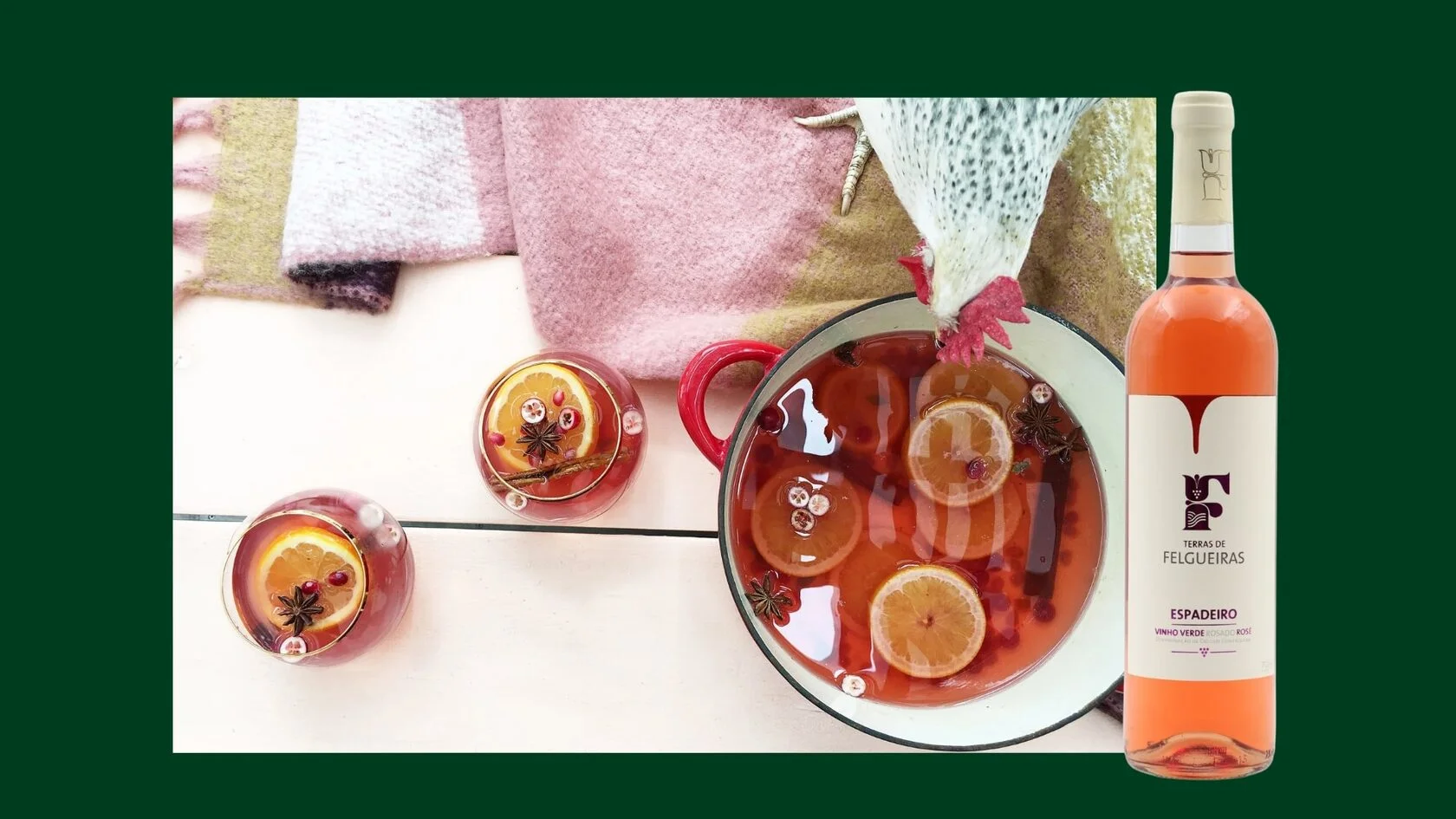
Rosé wine as a toast is a compromise between red and white. Grenache, Zinfandel — these strains produce a light, fruity wine with a delicate color. When heated, they retain the fruitiness of the reds, but without their weight. The result? A strawberry-currant toast that tastes like a compote from childhood.
Modern variations of the drink
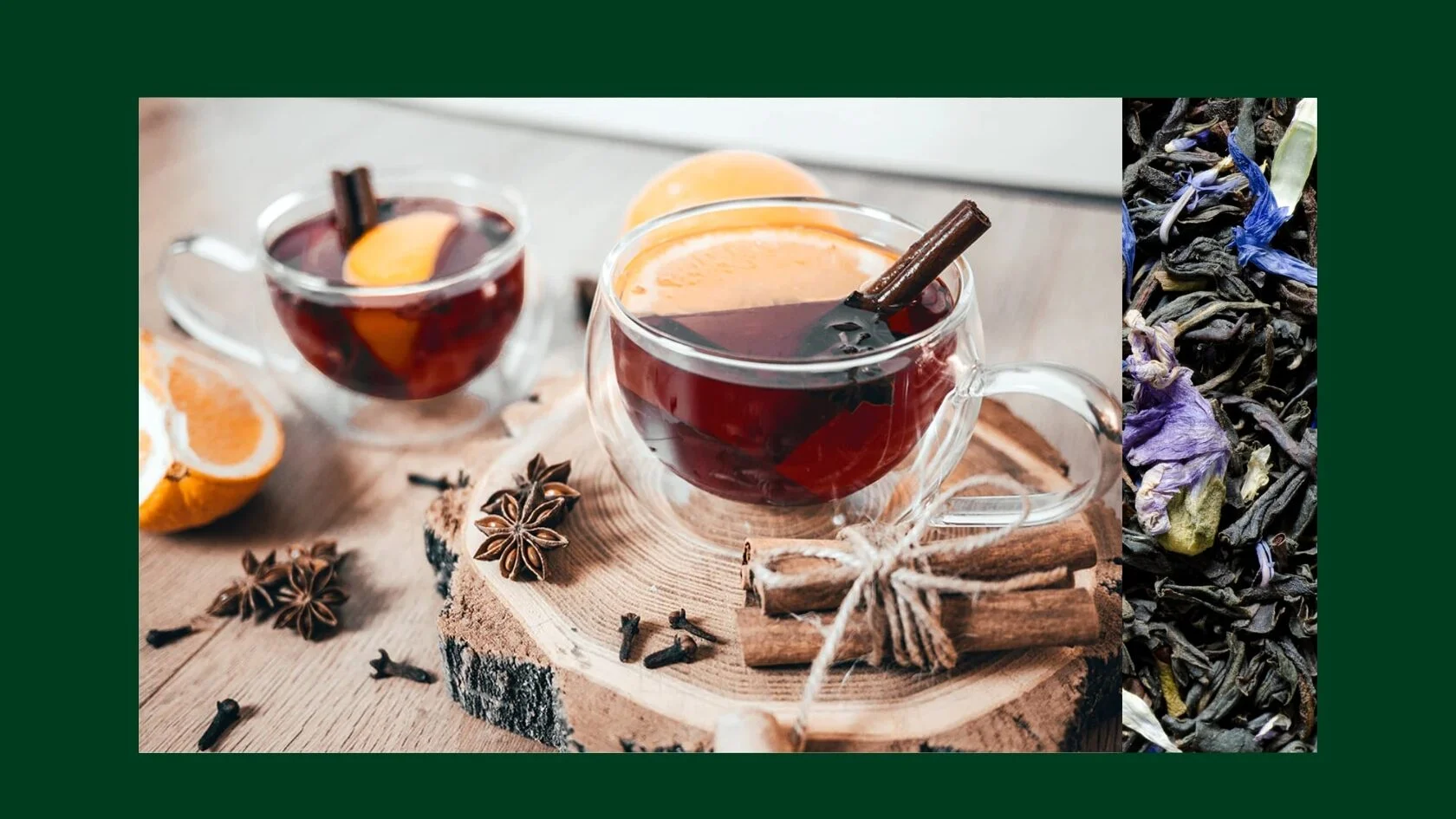
Toast with tea? Yeah, it works. Brewed Earl Grey or Lapsang Souchong added to red wine gives smoky complex notes.A toast with a citrus burst? Lemon, lime, grapefruit, orange — all together with mint create an almost lemonade-like effect.Spicy toast? Fresh chili, pink pepper, ginger — for those who want the warm-up to be literal.
Non-alcoholic toast
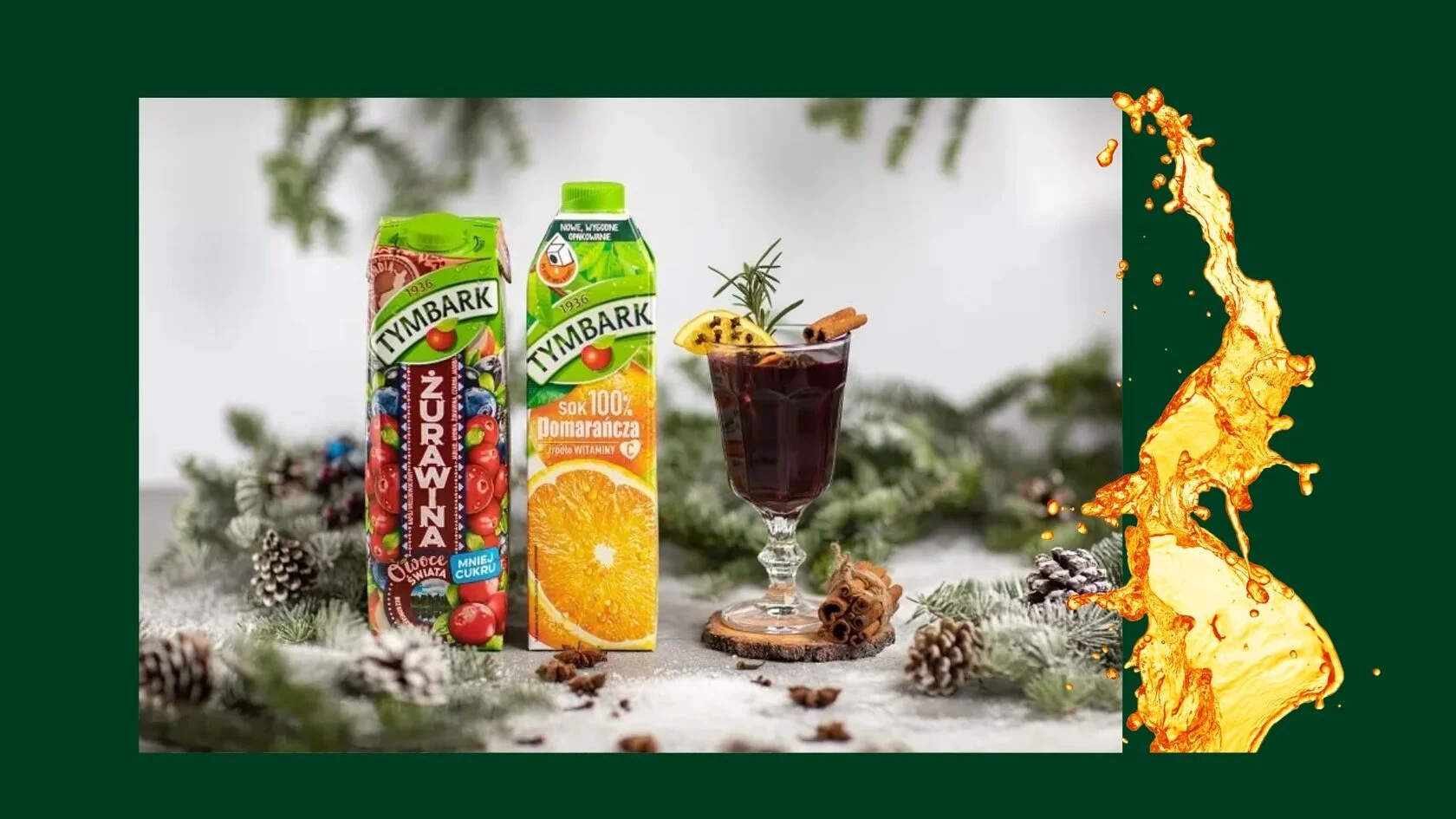
Apple juice, dark grape juice, cranberry juice - anyone can be a base. The same spices: cinnamon, cloves, anise. Same process: gentle heating, no cooking. The result? A drink that in a dark mug is indistinguishable from its alcoholic brother. Warmth, aromas, sweetness — everything is. Non-alcoholic toast is not a “worse” toast. This is just another category of warming drinks for those who drive, are pregnant, or just prefer to avoid alcohol this evening.
Other winter liquors
Mulled beer — popular in the Middle Ages, today something more peculiar. Porter beer or stout heated with honey and spices gives a sweetish and spicy taste.Mulled cider — apple cousin of mulled wine. Naturally sweet, less alcoholic, equally warming. Heated mead — Slavic tradition. Double or tee heated with herbs.
What new do they drink in the best restaurants? Trends in grzańce
For centuries, toast has been predictable: red wine, cinnamon, cloves, orange. But recent years have brought a revolution in winter drinks.
Exotics in December
Tangerines, lychee, passion fruit, passion fruit — these tropical ingredients bring a sweet and sour contrast with the spicy spices. In the Secret Room we bet on tangerines in Mandarin Honey Warm Wine — their sweetness is more delicate than in orange, almost floral. Pomegranate is another hero of modern variations of the drink. In our Rose & Pomegranate Infusion, this fruit balances the sweetness of the rose.
Flowers in a glass
Rose, hibiscus, lavender, elderberry — the ingredients that turn mulberry into a perfume to drink. Rose petals with red wine create a sensual, oriental composition. Hibiscus gives a ruby color and sourness. Lavender becomes soothing, slightly minty.
Port, brandy, rum — extra power
Strengthening the spirit with noble alcohol is today a finesse. Porto adds sweet, caramel notes. Brandy brings the power of cognac. Caribbean rum gives vanilla depth. Our Berry Port is an example — port is a full-fledged ingredient, not an additive.
Spices you didn't think about
Cardamom gives a citrus-mint note like in chai. Pink pepper adds a slightly sweet, fruity spiciness. Bourbon vanilla turns the toast into a liquid crème brûlée. Freshly grated nutmeg gives a nutty note.
Flight grzańców — taste
Our Warm Wine Collection is a journey: from light white with tangerine, through elegant rose, subtle pear, to strong port with raspberries. Every glass is a different story. It's tasting, exploring, discovering your style.
{{ctablock}}
Seasonality is back
Pear in November, quince in December, apples in January, cranberries in February. Restaurants change ingredients depending on availability.Pear & White Wine at Secret Room is a tribute to this philosophy. The pear has its season - late autumn and early winter. Then it is the sweetest and juiciest. Pear syrup in combination with white wine gives a delicate honey sweetness without heaviness.
Where does winter tradition meet Gdańsk modernity?
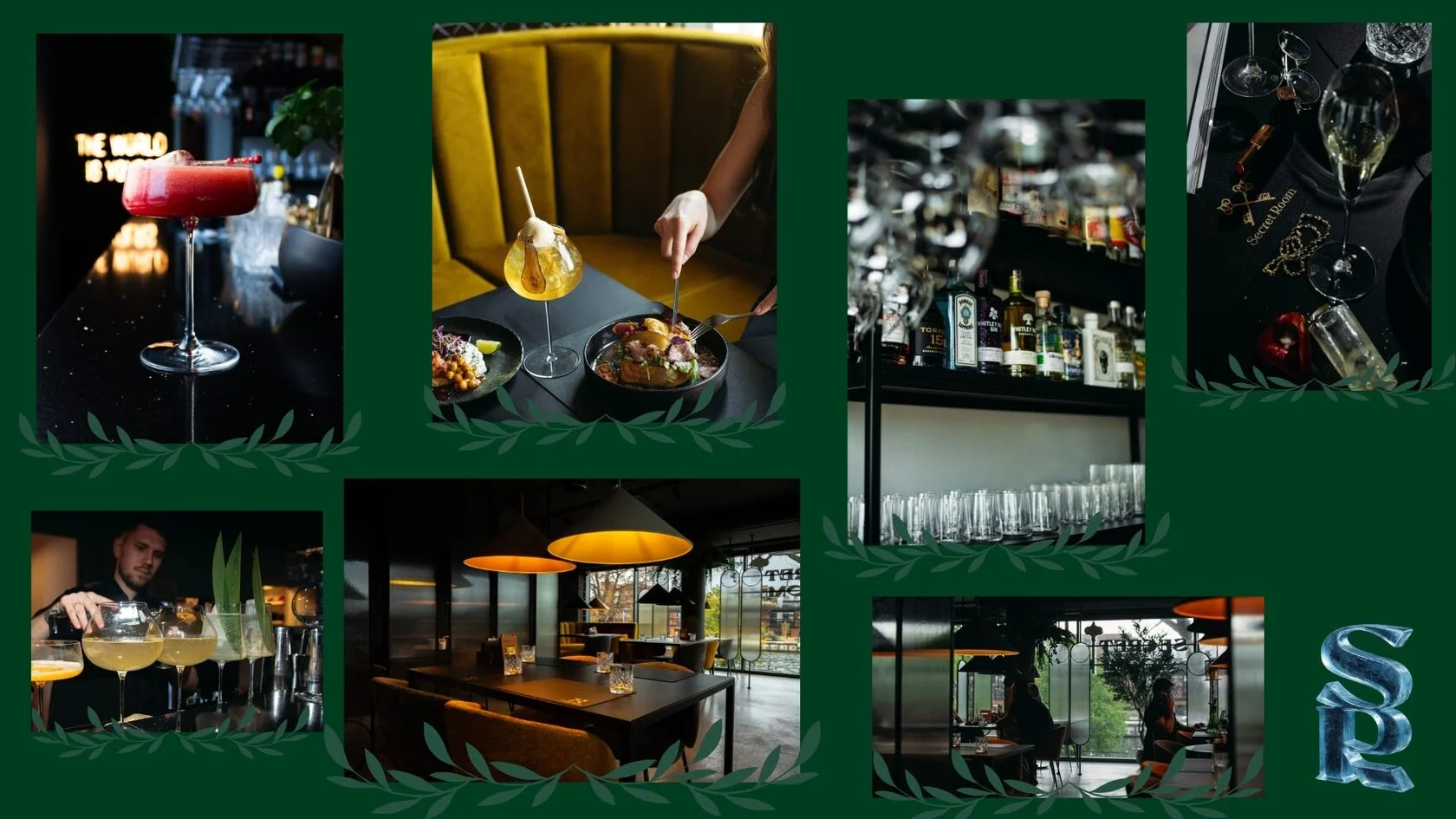
Go down a few steps below street level in the centre of Gdańsk. Enter a space where the light is dimmed to a level that makes you want to speak more quietly. Feel the temperature — a few degrees warmer than outside — envelops you instantly. This is the Secret Room.We are not your typical restaurant. We're not your typical bar either. We are a lounge — a place where you come not only to eat or drink, but above all to stay. The atmospheric interior with comfortable moderate lighting creates a space where time flows differently. Here we are creating a new culture of relaxation — a philosophy where eating and drinking are experiences, not just meeting needs.Our menu combines European classics, Asian WOK flavors and street food. But in winter, our warblers become the real stars. We spent months refining recipes, testing proportions, looking for the perfect wines and cordials. The result? Five compositions, each of which tells a different story.
Mandarin Honey
The white wine — light, dry, with a good level of acidity — serves here as a backdrop for the real stars: tangerines. We do not use concentrates or artificial syrups. Real tangerines, sliced, release their oils when heated. Citrus cordial — a homemade reduction from lemons and oranges — adds an extra layer of acidity. Linden honey soothes and balances. Spices — real Ceylon cinnamon, star anise, a dash of vanilla — form a warm base. The result? A drink that tastes like a light caught in a glass. Sweet, but not overwhelming. Acidic, but not sharp. Warming, but light. This is a toast for those who usually say “I don't like toast, too heavy”. This is a drink for the winter that works just as well in December as in March.
Rose & Pomegranate
Red wine, but not so typical. We choose wines with clear notes of red fruits — cherries, raspberries, currants. These are wines that have a floral character even in the cold.The petals of the damask rose — dried — are added in the last heating phase. This is a delicate ingredient that can quickly become soapy if you overdo it. We found the perfect point: enough to smell the roses in the aroma, but not enough to dominate.Pomegranate changes everything. We add the ruby grains whole, letting them burst in the hot wine. Pomegranate juice is dry, slightly bitter, very sour. It is he who balances the sweetness of wine and rose petals.Citrus cordial - again he - brings freshness. Spices here are minimalistic: only cinnamon and cardamom. Everything else could dominate the delicate game between flowers and fruit.It is a toast elegant, sophisticated, unobvious. It is a warm alcoholic drink for an evening for two to be able to talk for hours to enjoy a moment that will surely be remembered.
Pear & White Wine
The pear is the underrated hero of winter desserts. It has a unique property because it is sweet, but not in an obvious way. It is a delicate sweetness, slightly honey, with a hint of vanilla.We start with white wine — this time we choose something light, maybe with a hint of oak, maybe Chardonnay. Pear syrup — homemade, made from real Conference or Bonkreta pears — adds to this distinctive, almost floral sweetness.The citrus cordial brings contrast. Lemon and lime do not allow the drink to become one-dimensionally sweet. Spices? Minimal. Cinnamon, vanilla, maybe a little ginger. All this so that the pear can shine. The texture of this gruel is different from the rest. Pear gives a slight viscosity, almost velvety. It's not a “drink” — it's more a “nectar.” It is a toast that is drunk in small sips, savoring each of them.It is a proposal for those who value balance. Not too sweet, not too sour, not too spicy. The golden mean of modern variations of the drink.
Berry Port
This is for those who came for intense sensations. Red wine — full, tannic, with character — is just the beginning. Port tawny, dark, sweet, with notes of caramel and nuts, is the second pillar.Raspberries and cherries — fresh in season, frozen in winter — we add generously. We do not save. These fruits, under the influence of heat, explode with juice, which colors the wine an even deeper ruby color.Cherry cordial — reduction from cherries with added sugar and citric acid — intensifies the fruiting.The result? The bastard who doesn't apologize. Strong (port is about 20% alcohol), sweet, rich, fruity. This is a drink that you need to drink slowly or else it will overwhelm you. It's a hot pot for an evening by the fireplace. It is drunk during deep conversations. He is for those moments that require full attention.It is the most traditional of our proposals, but made at a level that you will not find at the fair.
Hot Wine Collection
Can't make up your mind? Take all four. The tasting set is our pride. Four glasses to know the character of each toast, but not too much to overload yourself. We serve them on a wooden board, with decorations corresponding to each variant. You start with the lightest — Pear & White Wine. You walk through sunny Mandarin Honey. You explore the elegant Rose & Pomegranate. You end up with a powerful Berry Port. It's an experience, not just a drink. This is a way to find out which toast is “yours”. Because each of us has a different taste, a different threshold of sweetness, a different tolerance of intensity. Collection allows you to discover it.
Why are our warmers different?
At Secret Room, we do not use ready-made spice mixes. We do not buy a “warmer in a bottle”, which is enough to heat up. Each ingredient is weighed and each proportion is refined. We select wines specifically for each variant. The fruits are fresh or from the best frozen foods. Honey comes from local beekeepers.But the main thing is that we treat termite seriously. Not as an addition to the menu, not as a seasonal promotion. As a full-fledged part of our restaurant in Gdańsk, which deserves the same attention as cocktails, wines or dishes from the menu. Because if you are going to make grzanec, do it right. Or not at all.
How to recognize a good toast?
How to distinguish an excellent toadstool from an average one? This is not obvious, especially if you are drinking for the first time in the season. But there are specific signs that betray quality. After years of testing hundreds of versions—from cheesy fairground to upscale restaurants—we know what to look for.
- Temperature
If the cup steams your hands — too hot. If it's summer, it's a crime. The ideal warm alcoholic drink is 70-75°C. A cup warm but not painful. A toast that is too hot (above 80°C) loses alcohol and aromas. Too cold closes the flavors. At Secret Room we serve at the perfect time.
- Aroma
A good toast strikes with aroma for half a meter. But this is not a uniform smell. It's layers: the heat of alcohol, the sweetness of cinnamon, spicy cloves, fresh orange. Bad signs? Predominant cinnamon (exaggeration), spicy alcohol (too hot), chemical smell (essences instead of natural ingredients).
- Flavor
The first sip of the perfect toast is a journey.Act One — Sweetness: goes into the language. It should be pleasantly sweet, but not overwhelming. If after the first sip you have the feeling that you are drinking a concentrated syrup - bad. If you feel pleasant warmth and gentle sweetness — good.Act Two — Acidity: appears on the sides of the tongue. Orange, lemon, sometimes pomegranate - these ingredients add freshness. Without them, the toadstool is heavy and bland. With them he becomes alive.Act Three — Bitterness and Spices: It's a finale, a long ending. Cloves give a slight bitterness. Cinnamon stays on the palate. Ginger stimulates heat receptors. That ending should last — good warming drinks don't end when you swallow. They stay with you for a minute, two, sometimes longer.
- Texture
Toast must not be watery. The good one has body, weight, velvety from honey. The ideal drink for the winter flows like a delicate oil, leaving a light film - not sticky, but noticeable.
Ready for a toast?
Grzaniec lasted two thousand years for a reason. He survived the fall of the Roman Empire, medieval plagues, world wars, the technological revolution. It has survived because it is more than enough. It is an alchemy that turns simple ingredients — wine, spices, heat — into something that warms not only the body, but also the soul. This is a tradition that connects us with all those who drank hot wine before us on winter evenings. It's a ritual that forces you to slow down in a world that never slows down.In the Secret Room, we don't pretend to have invented a toast. We don't claim that ours is “the best” — because what does that even mean? But we can say one thing: we did it with passion. We tested dozens of proportions. We were looking for the best wines. We worked out every detail. Because if something is worth doing, it is worth doing it well.Four original compositions — from light white to strong port. Each different. Each for a different moment, a different mood, a different person. The Warm Wine Collection? This is your chance to discover which bream suits you best. Winter in Gdańsk can be harsh. Wind from the Baltic, gray sky, short days. But this is also the time when the city shows its different character. More intimate, more authentic. It's time for winter drinks that are more than just alcohol.