Discover the Art Galleries in Gdańsk — a guide for culture lovers
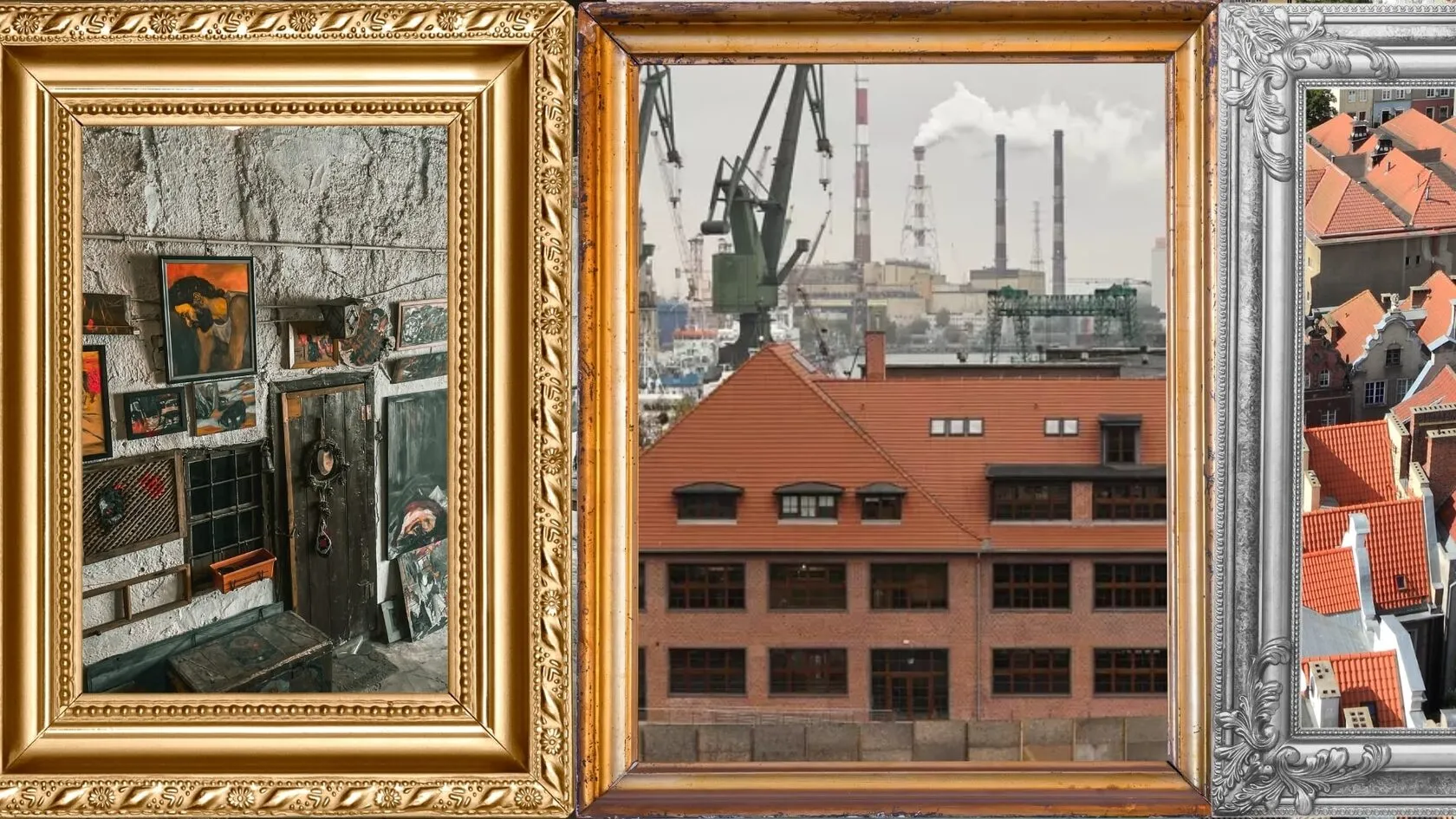
Gdańsk is a true cultural metropolis of the North, where every corner tells an artistic story. Every space in this city is full of art and creates a fascinating mosaic — from medieval masterpieces to the most daring experiments of modern times. It is a city where art lives on a daily basis, and not only in museum showcases.Visiting Gdańsk, you discover not only monuments, but also places full of artistic life. Former shipyards are transformed into art centers, tenement houses private galleries, and public space becomes a great canvas for artists.
Art of tomorrow in a historic building — the NOMUS phenomenon
NOMUS opened in 2021 in Gdańsk as the youngest institution presenting modern art in the city. Located at 14 Stefana Jaracz Street, in the historical grounds of the former Gdańsk Shipyard, it is housed in a building from 1940, which originally served as a vocational school for future shipbuilders. After thorough modernization, the building became a modern exhibition space with exhibition, educational rooms, a cinema and conference room and a reading room. In the lobby you will find a cafe “Friends from the Sea”, a children's corner and a bookstore. This place is ideal for meetings and rest between visitors.The exhibitions presented at NOMUS focus on the Gdańsk Collection of Contemporary Art, which the city has been creating since 2017. The works of local artists tell about the problems of the modern world from a local perspective, but in the universal language of art.
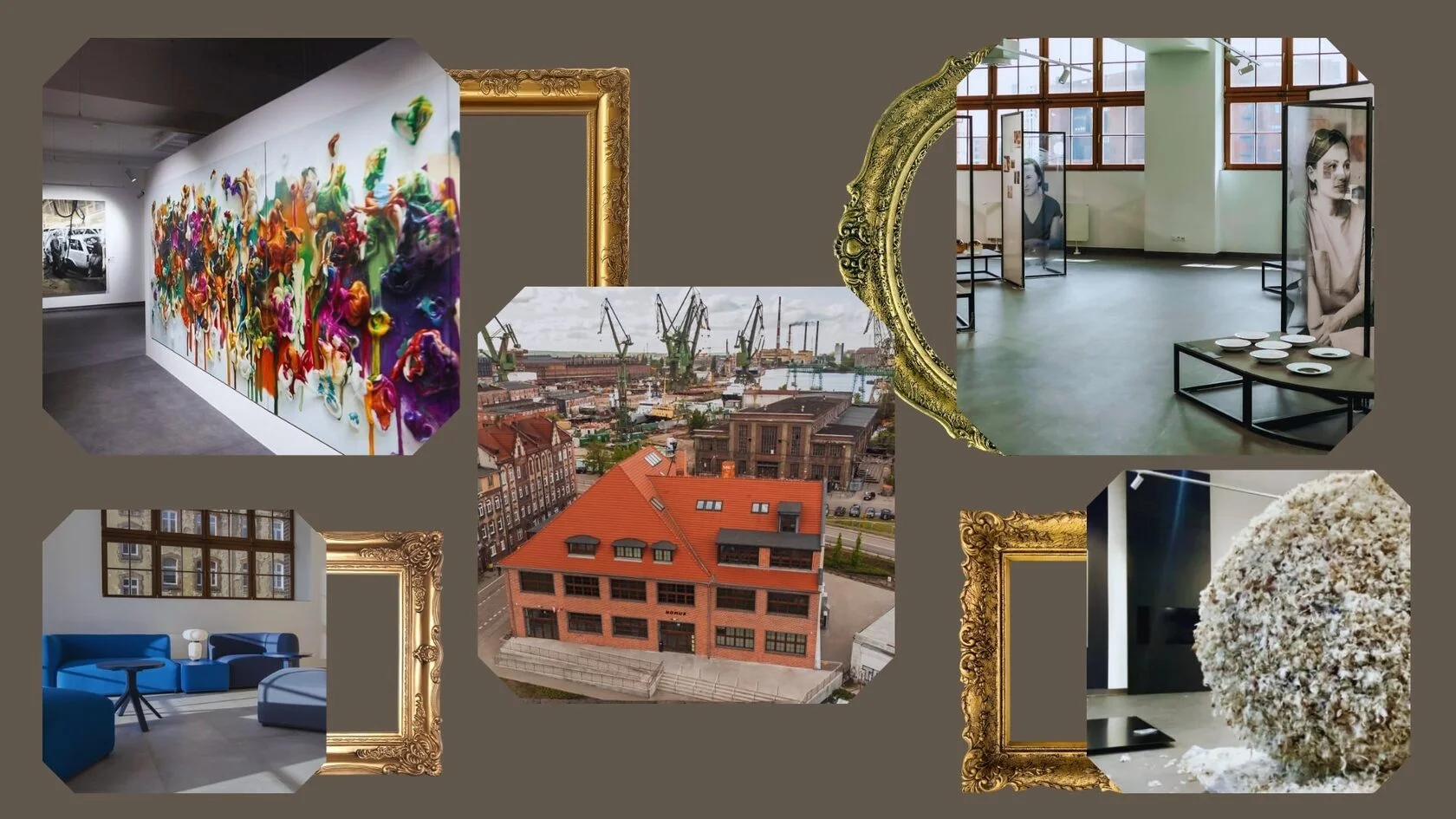
The museum is open from Tuesday to Thursday, from 11:00 to 18:00. The normal ticket costs 15 PLN, the reduced 8 PLN, children and young people (7-26 years old) can visit the museum for only 1 PLN. On Fridays, admission is free for all visitors.
Gdańsk City Gallery — one family, three different souls
The largest art gallery in Gdansk is Gdańsk City Gallery, consisting of three branches operating since 2009. Each has its own unique character and specialisation.GGM1 at 27/29 Piwna Street focuses on exhibitions of young artists and experimental contemporary art. It is an intimate space where the program “Deep Water” is implemented, preparing students of the Academy of Fine Arts for functioning on the artistic scene.GGM2 at 13/15 Powroźnicza Street presents collective and individual exhibitions with variable dynamics of duration. Thanks to cooperation with renowned galleries in Poland and abroad, the program presents the most important international exhibition trends.

Günter Grass Gallery in Gdańsk (4G) at 34/35 Szerokia Street is a unique place dedicated to the work of the Nobel laureate. The gallery's profile was shaped in cooperation with Günter Grass himself, promoting his literary and artistic work in the city of his birth.Every two years all branches participate in the organization of the Gdańsk Biennale of Art — the most important review of the work of artists from the Pomeranian region.Galleries are open from Tuesday to Sunday: during the winter season (October-March) they operate from 12:00-18:00., in the summer season (April-September) from 12:00-19:00. Tickets: normal PLN 10, reduced PLN 7, group (over 10 people) costs PLN 5. On Thursdays and during the vernissages - free admission.
{{ctablock}}
CSW Łażnia — avant-garde in the historic space
CSW Łaznia is a place that perfectly illustrates how history can serve the present. This Gdańsk cultural institution was founded in 1998 in the historic building of the former City Bath at Jaskółcza Street 1. The creation of the CSW is combined with the activities of the artistic community from the 1980s, which was later called the New School of Gdańsk. The cooperation of the C14 Gallery, the Totart Foundation and the Wyspa Gallery led to the creation of this unique place. The brutal interiors of post-industrial architecture create a unique atmosphere for the most daring artistic experiments. The exhibitions in Gdańsk presented in Łaznia often touch on difficult social and political topics, engaging the audience in important discussions about the contemporary.In 2012, in the Nowy Port district, at 5 Strajku Dokerów Street, Łażnia 2 was established — an art education center with a reading room, animation studio and KinoPort cinema. Both facilities participate in the revitalization of Gdańsk districts.
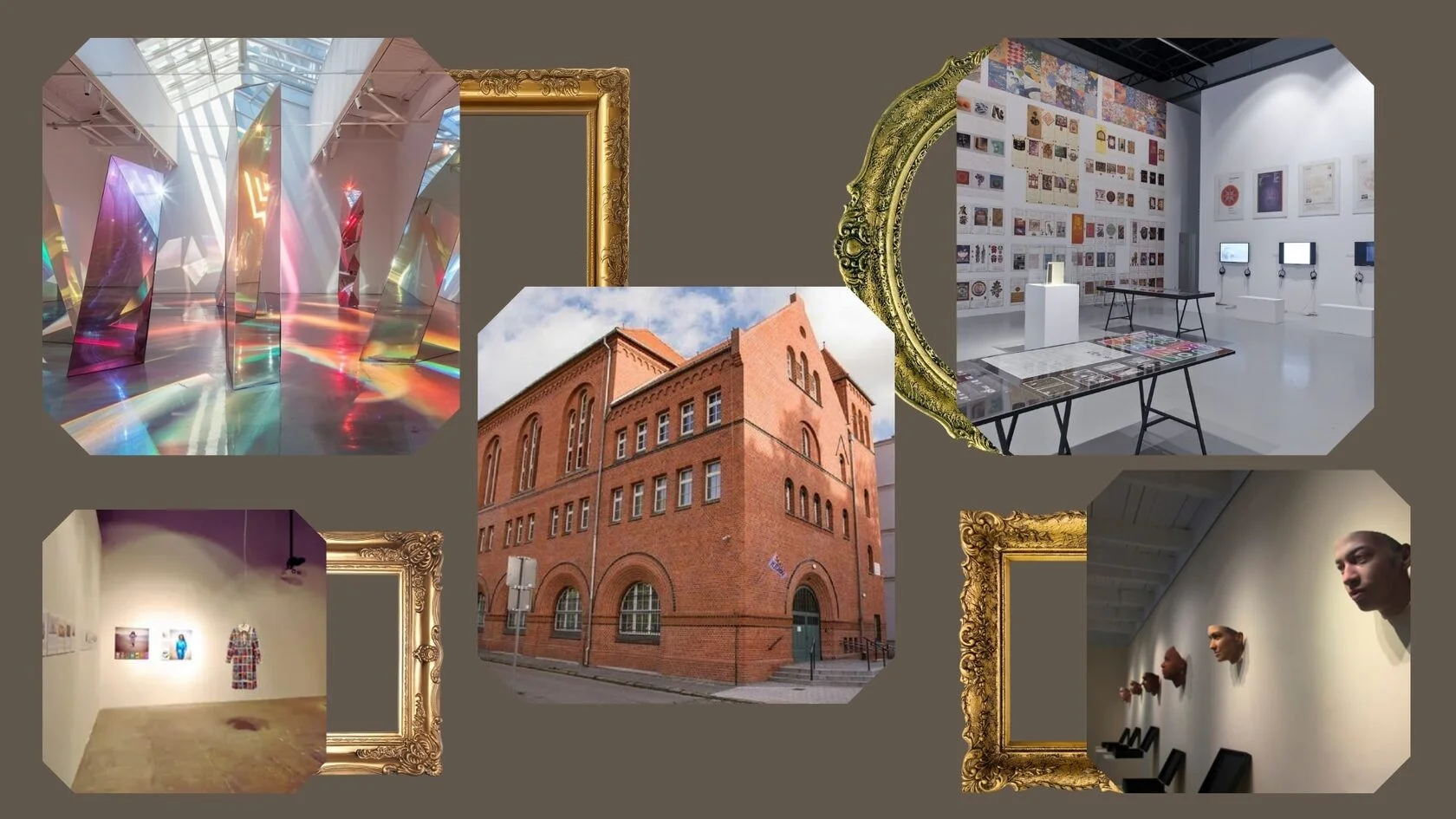
The bathhouse is open from Tuesday to Friday from 12:00 to 18:00, on weekends from 12:00 to 20:00. Tickets: normal PLN 15, reduced PLN 12. Tuesdays are “quiet hours” for people with autism (16:00-18:00).
National Museum — where the past lives every day
What is worth seeing in the context of ancient art? National Museum, one of the oldest in Poland, was created from the merger of the Municipal Museum (1870) and the Museum of Artistic Crafts (1881).
The core of the collection is the collection of Jacob Kabrun (1759-1814) — several thousand paintings, drawings and engravings by European masters from the end of the 15th to the beginning of the 19th century. The main building at Toruńska Street (a late Gothic Franciscan monastery) houses the Department of Early Art with the famous “Last Judgment” by Hans Memling.
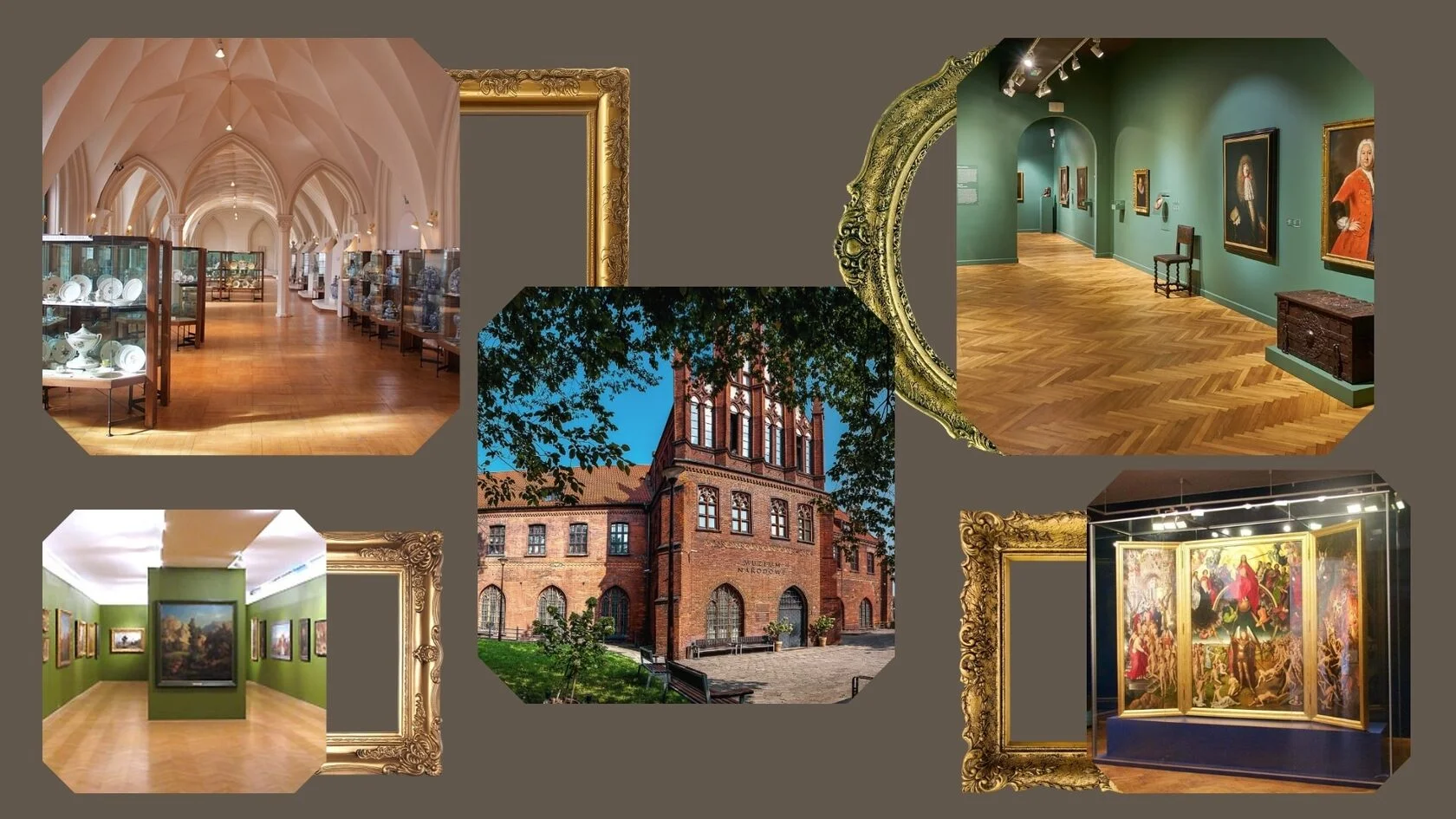
The Department of Modern Art at the Opatów Palace in Gdańsk-Oliwa presents a collection of Polish and Gdańsk paintings of the XIX-XX centuries. The baroque interiors of the palace create a unique setting for the works of local artists. The Green Gate at the Long Market serves as a space for temporary exhibitions, presenting the most interesting exhibition projects of a historical and artistic nature.
Private galleries — elite, intimate, unique
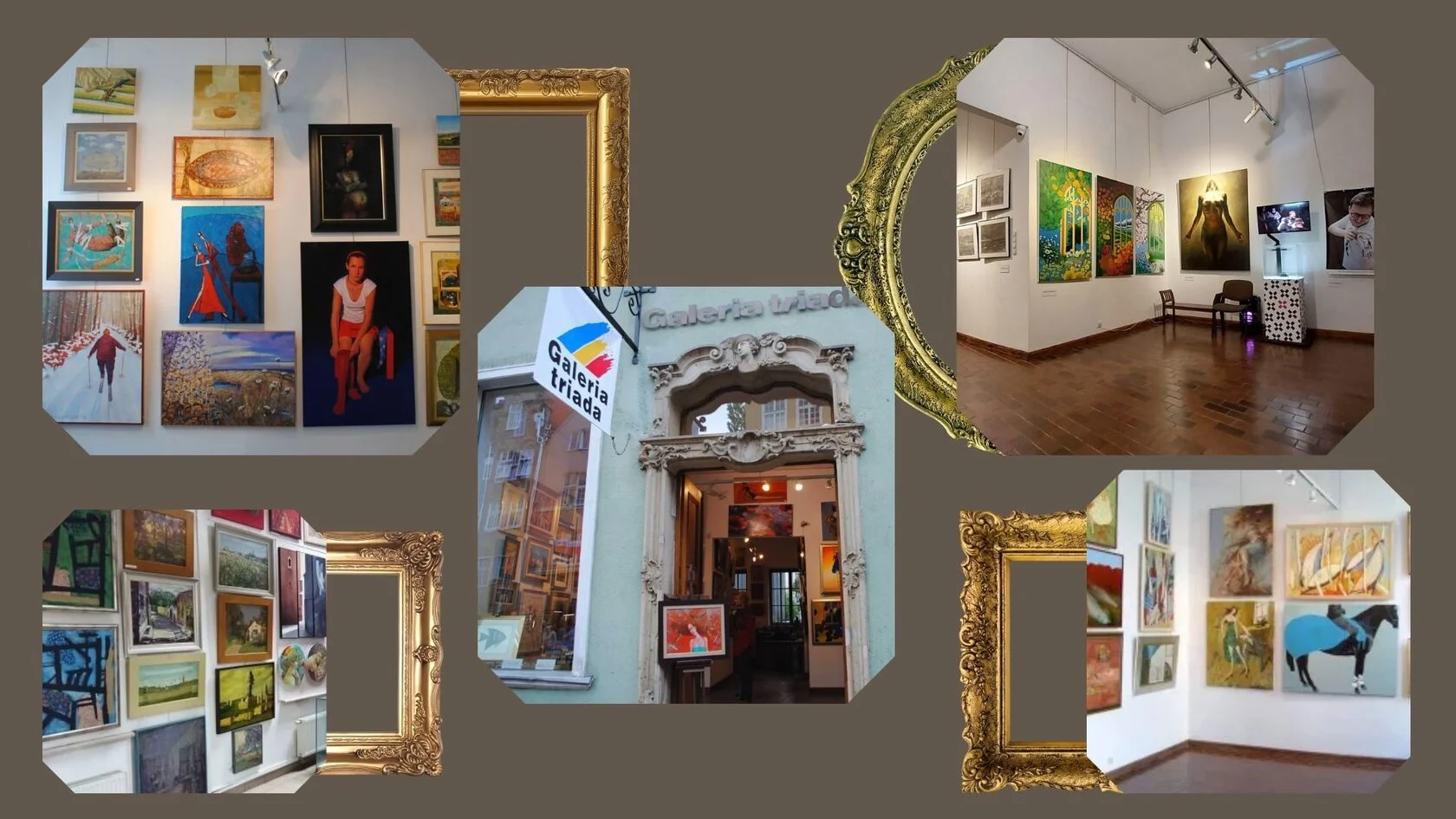
The Gdańsk art scene is much more than great institutions. Private lounges and exhibition spaces offer more intimate yet equally fascinating artistic experiences.Triada Gallery, operating since 1990, is one of the oldest contemporary art galleries in Poland. For 35 years he has been presenting the most interesting phenomena of Polish contemporary art, supporting both renowned artists and young talents.
Cosma Gallery in the artistic district of Oliwy combines the function of a gallery and an auction house. It was created in 2021 and quickly gained popularity among Gdańsk artists. It is an ideal place for collectors and art lovers.
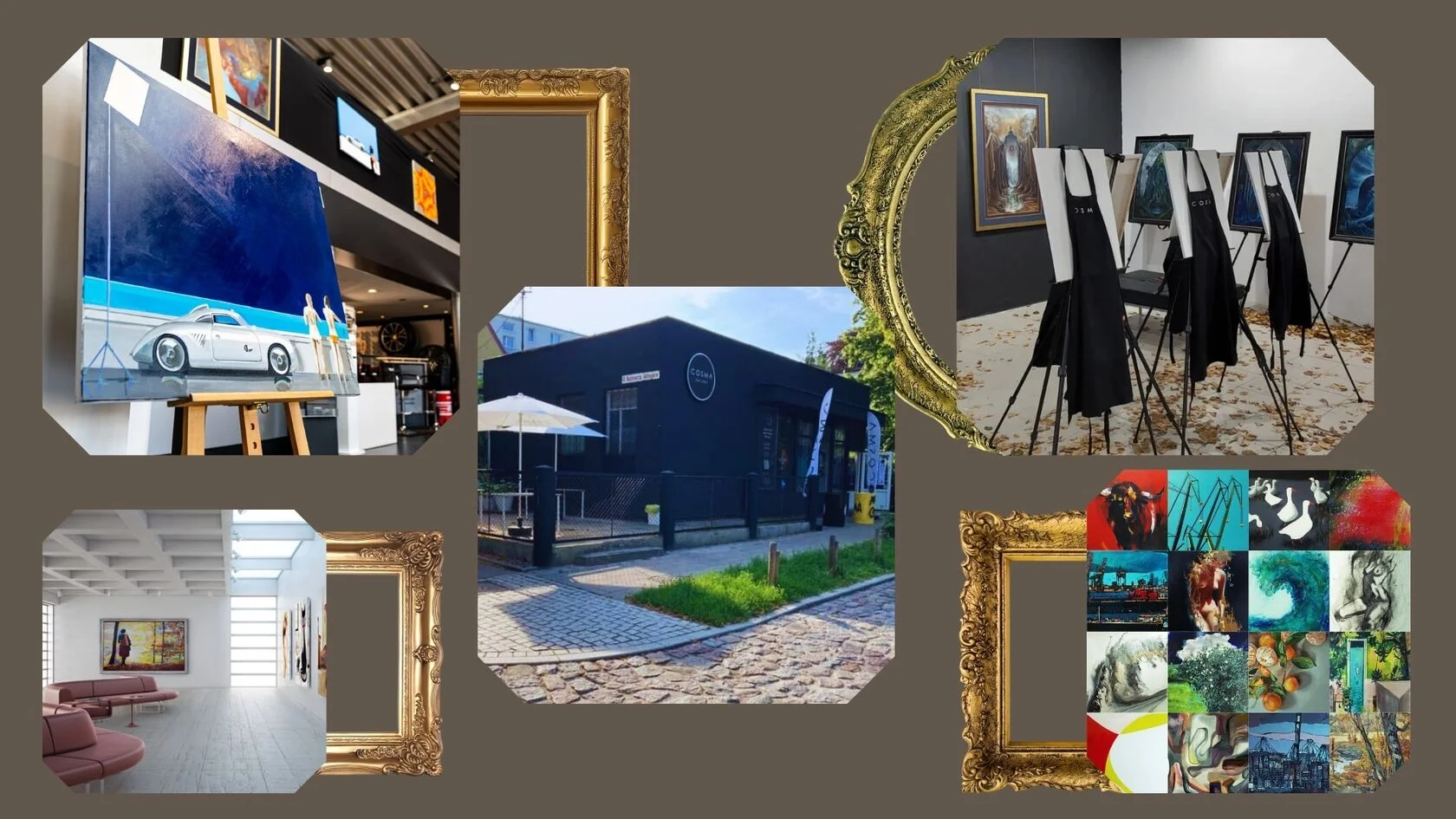
IN Academy of Fine Arts Various exhibition spaces operate next to the Carbon Market, presenting the works of students and graduates. The Armory of Art regularly hosts the most interesting diplomas of young artists from all over Poland.
How the walls of the blocks became the cards of history
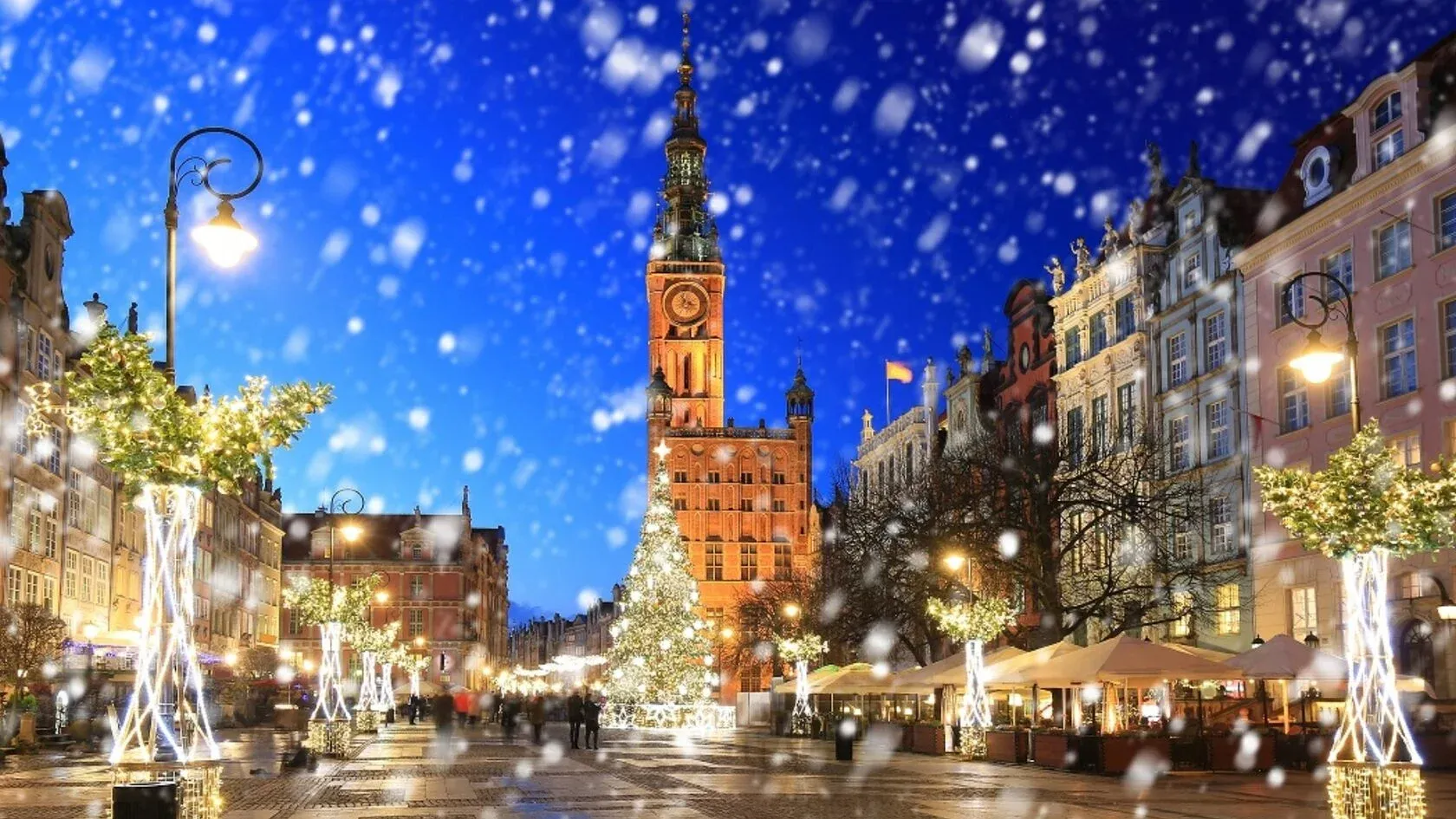
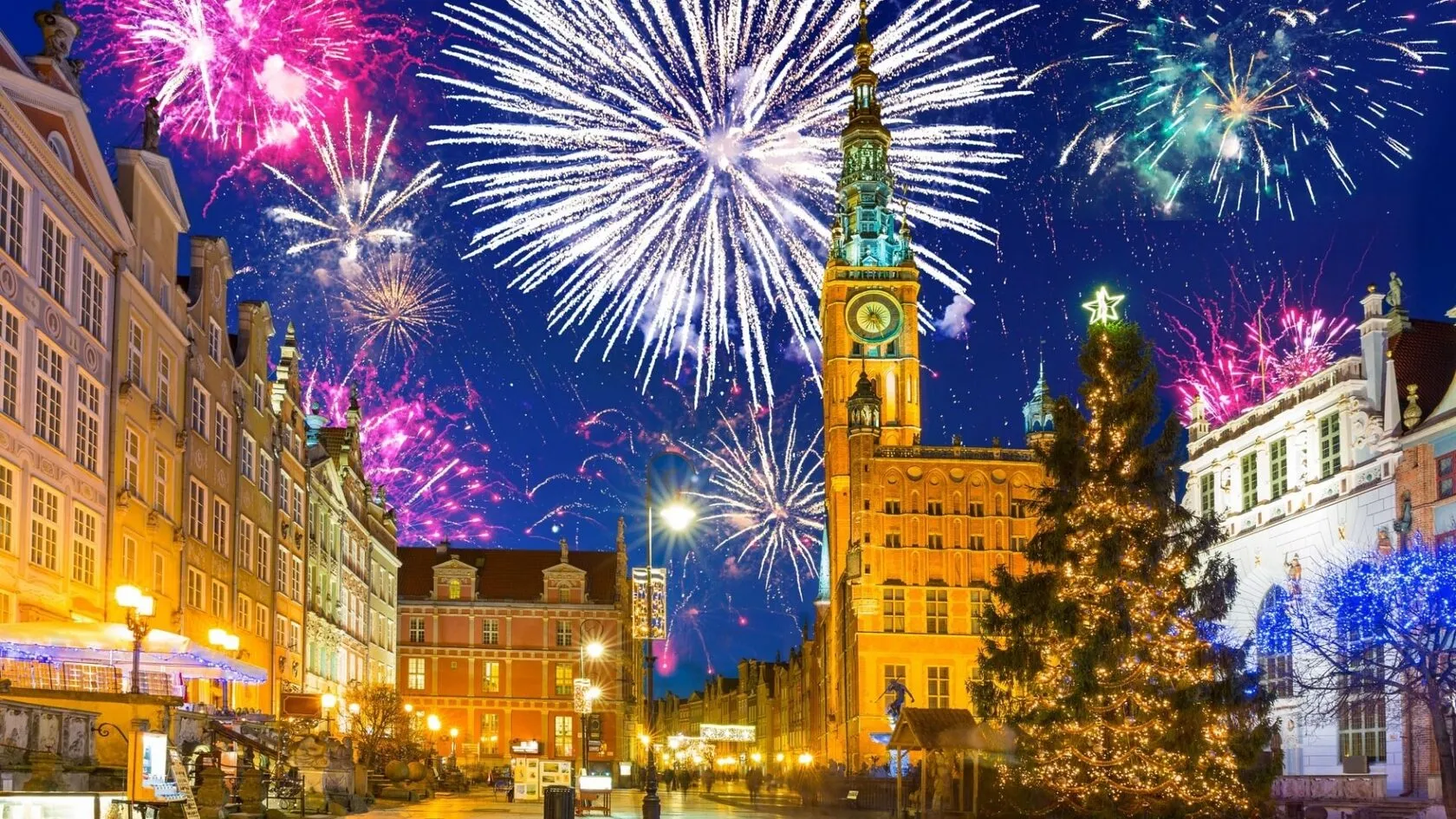
What to see in Gdansk Beyond the traditional galleries? The city of Gdansk is a great open-air museum. Murals in the Zaspa district form the largest street art gallery in Poland. The colorful walls of the blocks tell the stories of the inhabitants in the language of contemporary art.The historical center hides numerous sculptures and installations. In addition to the symbolic Neptune Fountain, it is worth paying attention to contemporary works, such as: installations on Granary Island, sculptures at the European Solidarity Center or artistic elements of the Gdańsk Forum architecture. After dusk, Gdansk shows art in a completely new dimension. Artistic illuminations of monuments, illuminated installations over the Motława River and night projections on the facades of buildings create a magical atmosphere. A walk along Długá Street after dusk is a spectacle of light, where architecture becomes art.
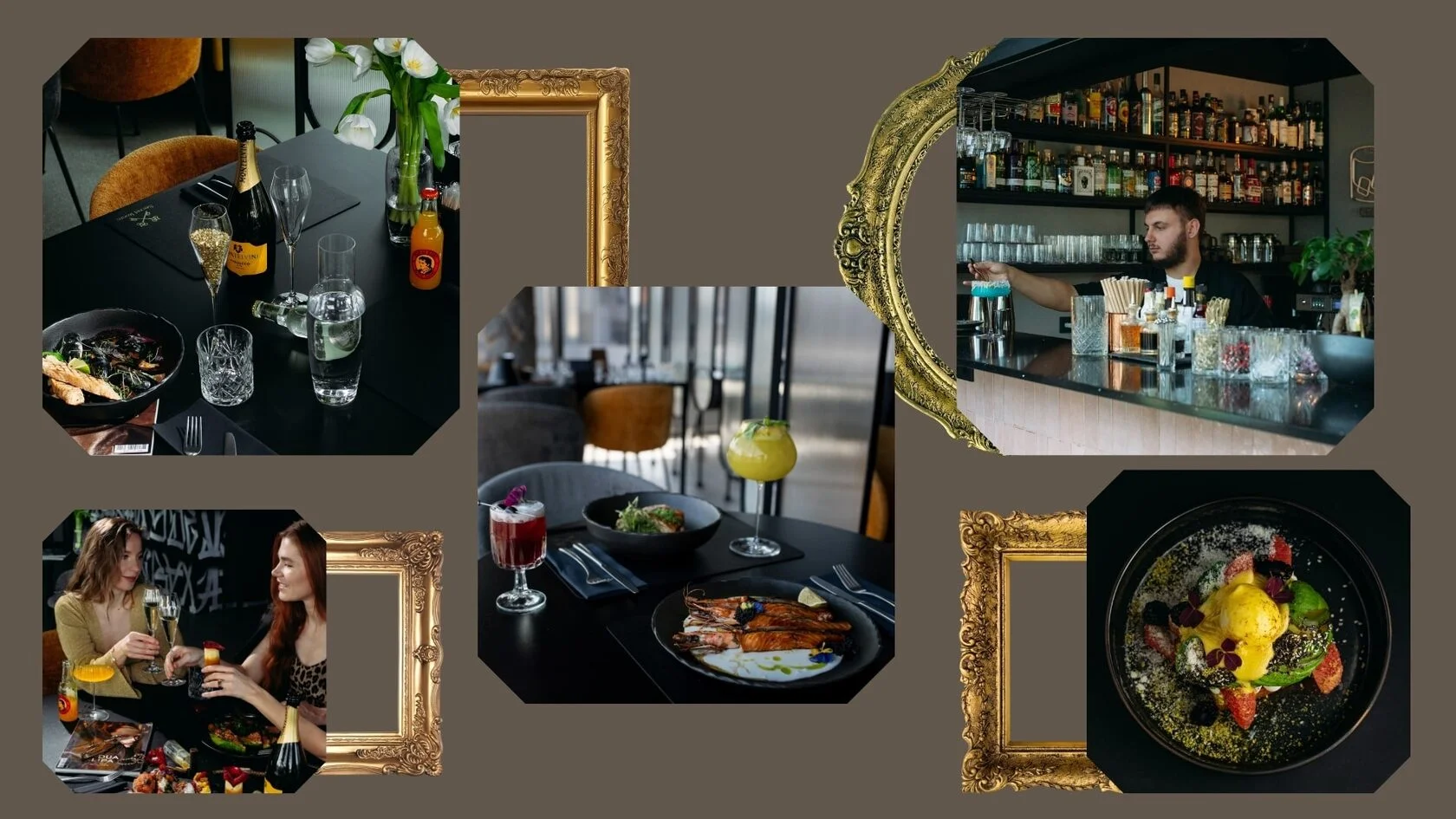
Where does culinary art meet visual?
Exploring artistic spaces is combined with the opportunity to experience the sophisticated culinary culture of the city. Restaurant in Gdańsk, which perfectly complements artistic experiences must definitely be on your list, of course between galleries and museums.Secret Room is a unique restaurant where culinary art meets artistic atmosphere. Carefully designed interiors, thoughtful lighting and an original menu create the perfect space for a romantic evening after a day spent among the works of art.The Secret Room's location in the city center makes it easy to reach here after visiting the main galleries.Each dish is not only a composition of flavors, but also a visual creation - a philosophy that combines art and gastronomy in a natural and unique way.
How to visit a maximum of a lot, wasting a minimum of time?
When planning to explore the artistic treasures of the city, it is worth thinking about the optimal route. The center brings together the most important institutions - NOMUS, branches of the GGM and the National Museum are within walking distance.The best time to visit is weekdays - fewer tourists, more space for quiet contemplation. Wednesdays offer free admission to most museums. Weekends are the time of vernissages and special events.Public transport efficiently connects all points on the artistic map. Tram line 6 will take you to Oliwa, where the Palace of the Abbots and private galleries await you. City buses serve all neighborhoods with galleries. Parking in the center can be problematic, but most galleries are within reach of public transport. The Gdańsk city bike is an ecological way to move between cultural institutions.
{{ctablock}}
When is Gdansk culture at its most vibrant?
The cultural calendar of Gdańsk is full of events throughout the year. Temporary exhibitions are not just temporary presentations, but a rich program of artistic events.The Night of Museums in May is an absolutely unique occasion. All art galleries in Gdańsk are open to visitors until late hours, often for a nominal fee. Special events, curatorial tours and performances create a unique atmosphere. Every two years the Gdańsk Biennale of Art transforms the city into an international capital of contemporary art. Artists from all over the world present their work not only in galleries, but also in the public space.Narracje Festival in November combines art with history. Artistic interventions in different neighborhoods tell unknown stories of the place. What to see in Gdansk during this event? Each district becomes a stage for artistic activities.
What happens to culture when the lights go out in galleries?
Gdansk by night It reveals a completely different face of art. After sunset, the city transforms into a great scenography, where architecture meets the art of light.Some galleries extend opening hours during special events. Night openings at CSW Łaznia, late sightseeing in GGM or special screenings at NOMUS are unique artistic experiences.Things to do for couples in Gdansk acquire a special charm after dusk. A romantic walk through the illuminated center, from the Neptune Fountain through Długa Street to Motława, is the perfect prelude to dinner in the unique Secret Room restaurant.The nightlife is concentrated around the Main Town. The artsy cafes and pubs near the gallery often bring together local bohemia, creating a space for informal conversations about art.
A city that leaves a mark in the heart
Art galleries in Gdańsk are a real treasure for every culture lover. It is a place where art is not only presented, but lives on a daily basis in galleries, on the streets, in public space.The unique combination of history and modernity creates the unique character of the Gdańsk art scene. Medieval works in historic monasteries are adjacent to avant-garde installations in post-industrial spaces.What to see in Gdansk is a question to which everyone will find their own answer. Whether it will be classical masterpieces at the National Museum, experimental art at CSW Łaznia, or intimate exhibitions in private galleries. Each venue offers a unique experience.The ability to combine high culture with fine dining at venues like the Secret Room makes couples' attractions take on an extra dimension. Evening Gdansk is not only beautiful illuminations, but also a lively culture that lasts until late hours. Gdańsk deserves to return regularly. A dynamically developing art scene, constantly changing exhibitions and new cultural initiatives make every visit a fresh discovery.