The most beautiful places in Poland. Top places you need to visit
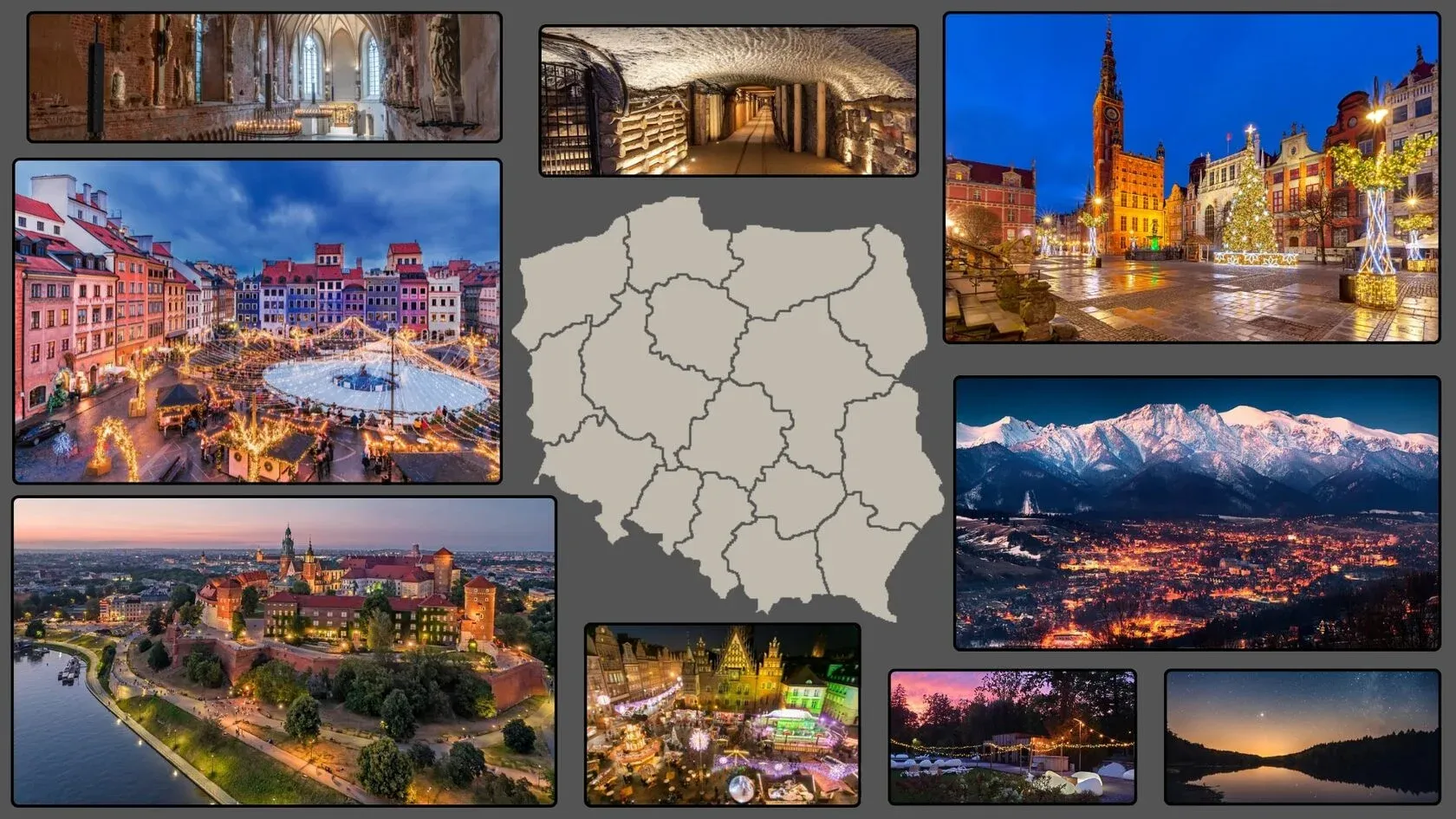
If Europe were a book, Poland would be its most colourful chapter. In a space of only 312 thousand square kilometers you will find everything - from the 2,499 meter peaks of the Tatras to the longest pier in Europe in Sopot, which measures 515 meters. The most beautiful places in Poland are a mosaic of 1000-year-old cities, where Gothic cathedrals are adjacent to modern museums, and medieval castles are reflected in the waters of mountain lakes.Every year more than 21 million foreign tourists discover interesting places in Poland, and residents still have something to visit. From the Baltic to the Tatras, a landscape full of surprises stretches: a 700-year-old salt mine hides underground lakes, and elsewhere wild bison walk through the last fragment of Europe's primeval forest.
1. Tatras and Podhale
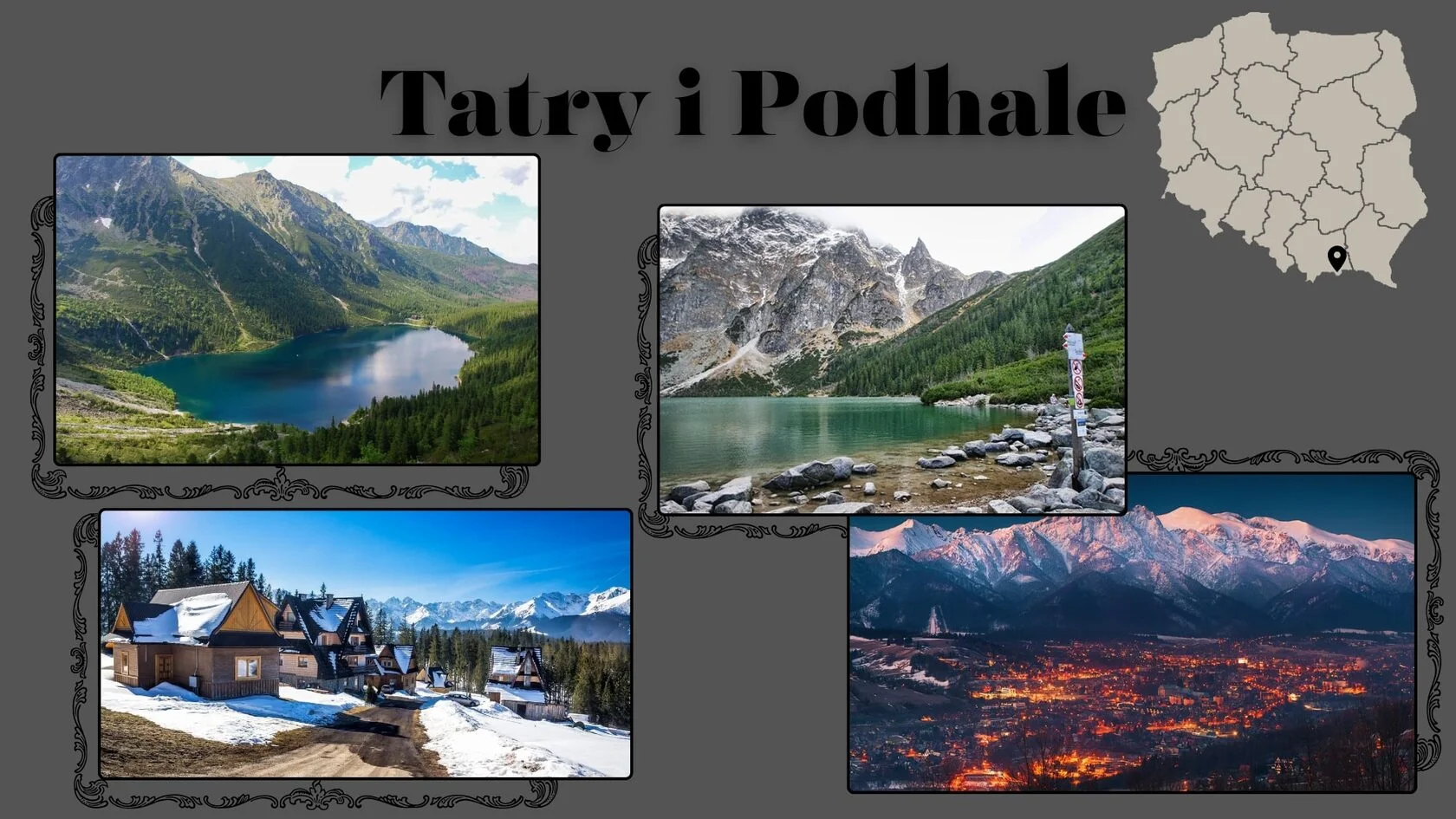
Tatras — the highest mountain range between the Alps and the Caucasus. 785 square kilometers of the Polish Tatras attract more than 3 million tourists every year, who are looking for an answer to the question “Where to go for a weekend in Poland?” when the soul yearns for the greatness of nature.
Sea Eye
At four in the morning, the parking lot under Morski Oko looks like a battlefield — hundreds of cars from all over Poland testify to the magnetic power of the largest Tatra lake. This 34-hectare slab of water, lying at an altitude of 1395 meters, reflects the Mięguszowieckie Szczyty like a perfect mirror.The road to Morski Oka is exactly 8.9 kilometers long and leads along an asphalt path through Aleja Różanów — a trail strewn with rhododendrons, which bloom with fiery flowers in June. The walk takes about two hours, but each step is worth the view that awaits at the end. At the foot of the Monks, the lake turns into a natural ice sheet in winter, and in summer the water reaches a temperature of barely 10 degrees Celsius.
Zakopane
“I am from Zakopane” — this business card opens the hearts of Poles like no other. The capital of the Tatras is not only a starting point for mountain trips, but a living organism, where authentic highlander culture mixes with tourist traffic. In Krupówki, the main pedestrian street of the city, you can hear the highlander dialect as often as English or German. In wooden sheds, traders sell oscypek — sheep's cheese smoked in special huts high in the mountains. You can recognize the real oscypek by its characteristic patterns and hard, yellow skin. In Podhale alone, more than 200 tons of this cheese protected by the EU name of origin were produced last year.Zakopane is also the gateway to the Tatra National Park, which protects the most valuable mountain ecosystems. 137 species of birds live on its territory, including front eagles, which can be found in the area of Giewont or Kasprowy Wierch.
2. Krakow
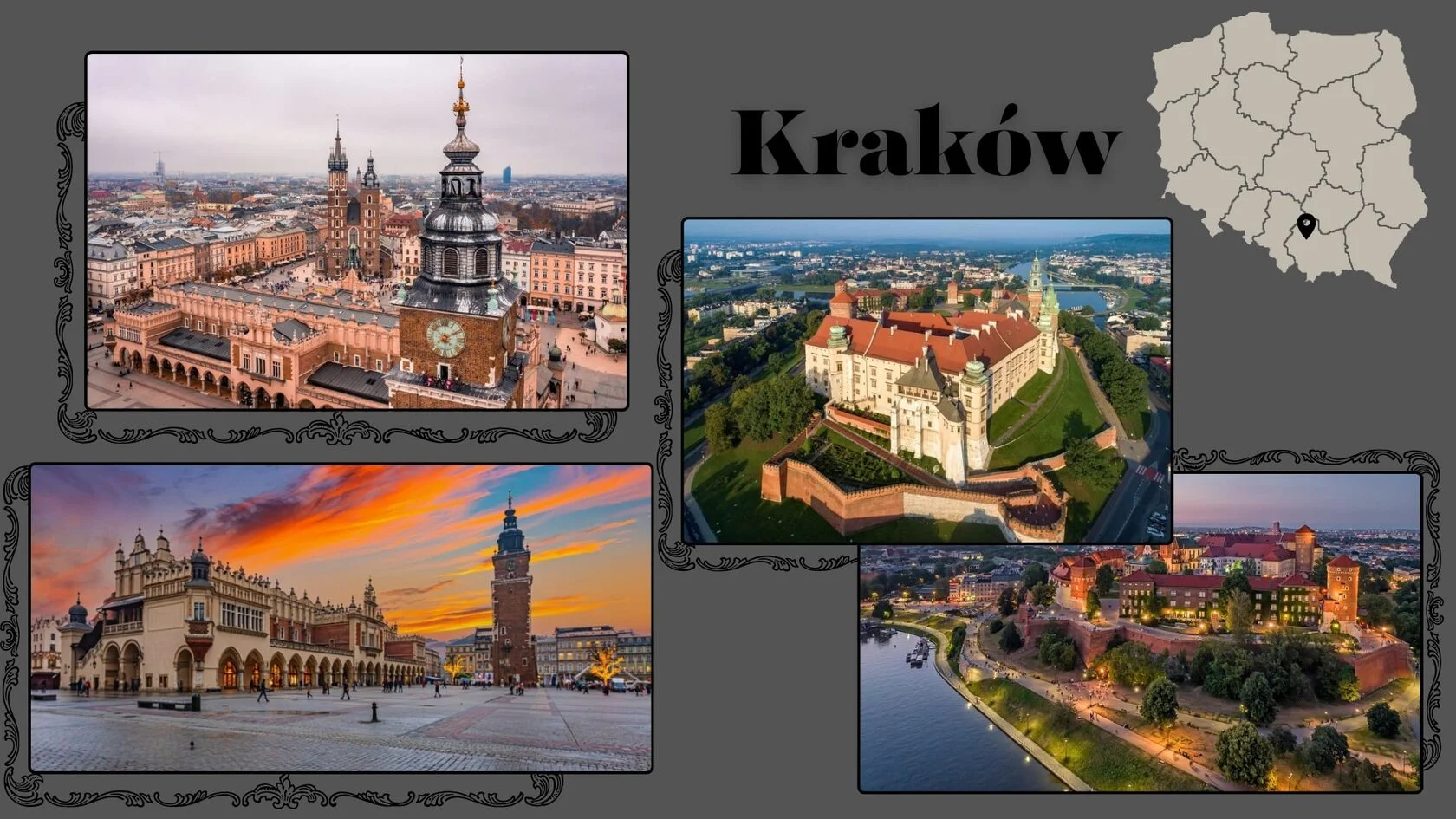
It is only 100 kilometers from the Tatras to Krakow, but it is a journey from wild nature directly to the heart of European culture. The former capital of Poland is a city that has survived all the storms of history (as one of the few in Europe to avoid war damage). Today, its 327 hectares of historic center, inscribed on the first UNESCO list in 1978, are visited annually by 14 million tourists from all over the world.
Main Market
200 by 200 meters are the dimensions of the largest medieval market in Europe, which has been bustling with life since 1257. Every hour, from the 82-meter tower of St. Mary's Church, a bugle is heard, broken in the middle of the note, in memory of the trumpeter who was pierced by an arrow by a Tatar archer in 1241. In the center of the square stands the Sukiennice — the only medieval shopping gallery of its kind. For 750 years, merchants sold cloth, spices and amber here. Today, in the Gothic interiors you will find souvenirs and works of Polish artists, and the first floor houses the Gallery of Polish Art of the 19th century, where paintings by Matejka and Chełmoński hang.
Wawel
On a 25-meter hill above the Vistula, the kings of Poland ruled for five centuries. The Wawel Royal Castle is the place where Polish national identity was formed. In the Armory you can see one of the largest collections of medieval weapons in Europe, and in the Crown Treasury you will find the crown of Bolesław the Brave and the Shcherbiec — the coronation sword of Polish kings. The Wawel Cathedral is the necropolis of the nation. Kings rest here, poets like Adam Mickiewicz, or heroes like Józef Piłsudski. Zygmunt,11-ton bell from 1520, rings only on the biggest holidays. Its sound can be heard within a radius of 50 kilometers, and tradition says that touching the heart of a bell fulfills the innermost dreams.
3. Gdansk and Tri-City
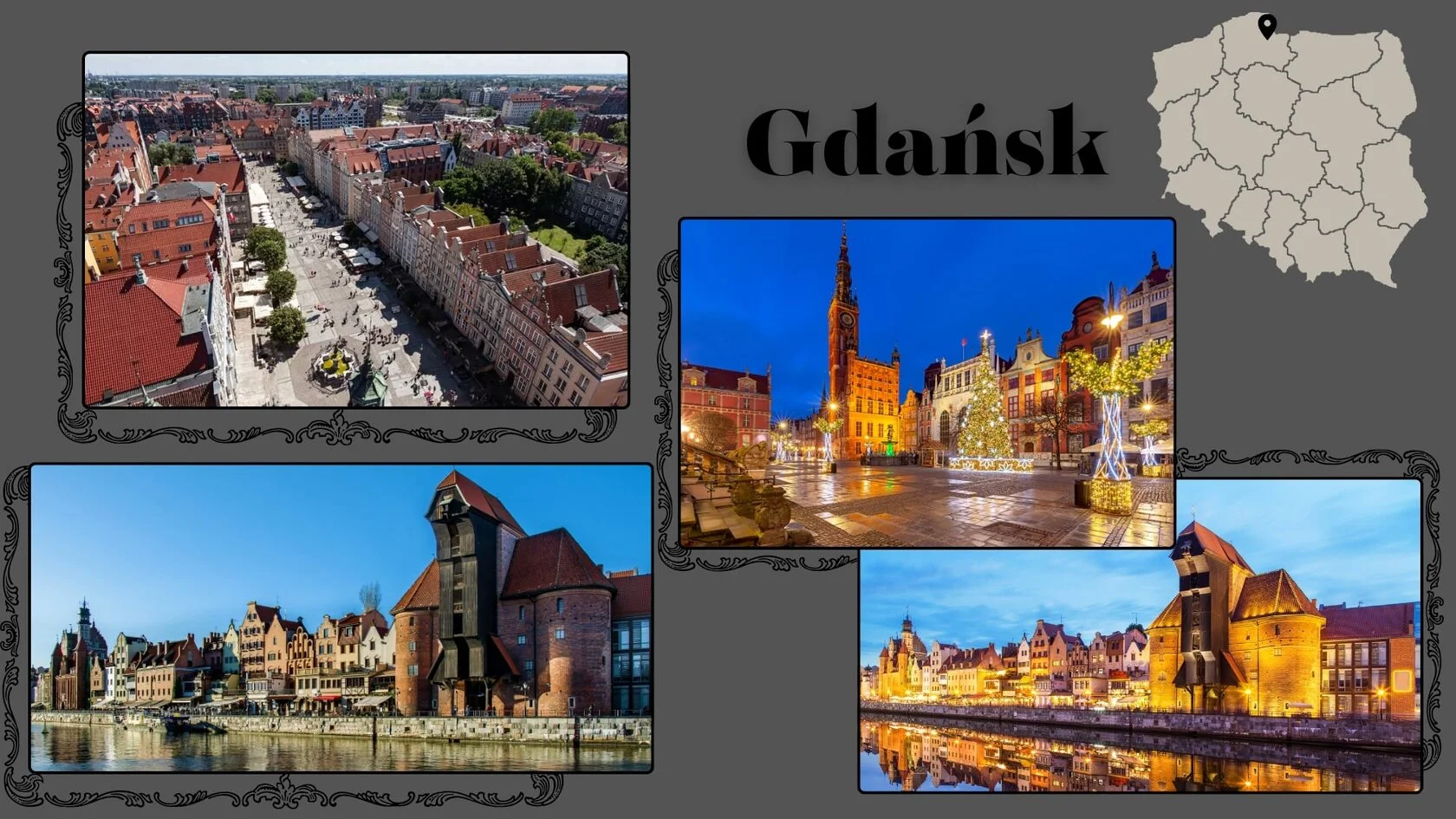
From the royal Krakow on the Vistula to the king of the Baltic. What to see in Gdansk? This is a question that everyone who goes to the Polish sea for the first time asks himself. Gdansk is a city with a thousand-year history that has survived everything from Hanseatic power, through royal protection, to German rule and Polish reconstruction. It was here on September 1, 1939, that World War II began, and 43 years later Solidarity was born, a movement that changed the face of Europe.
Długi Targ
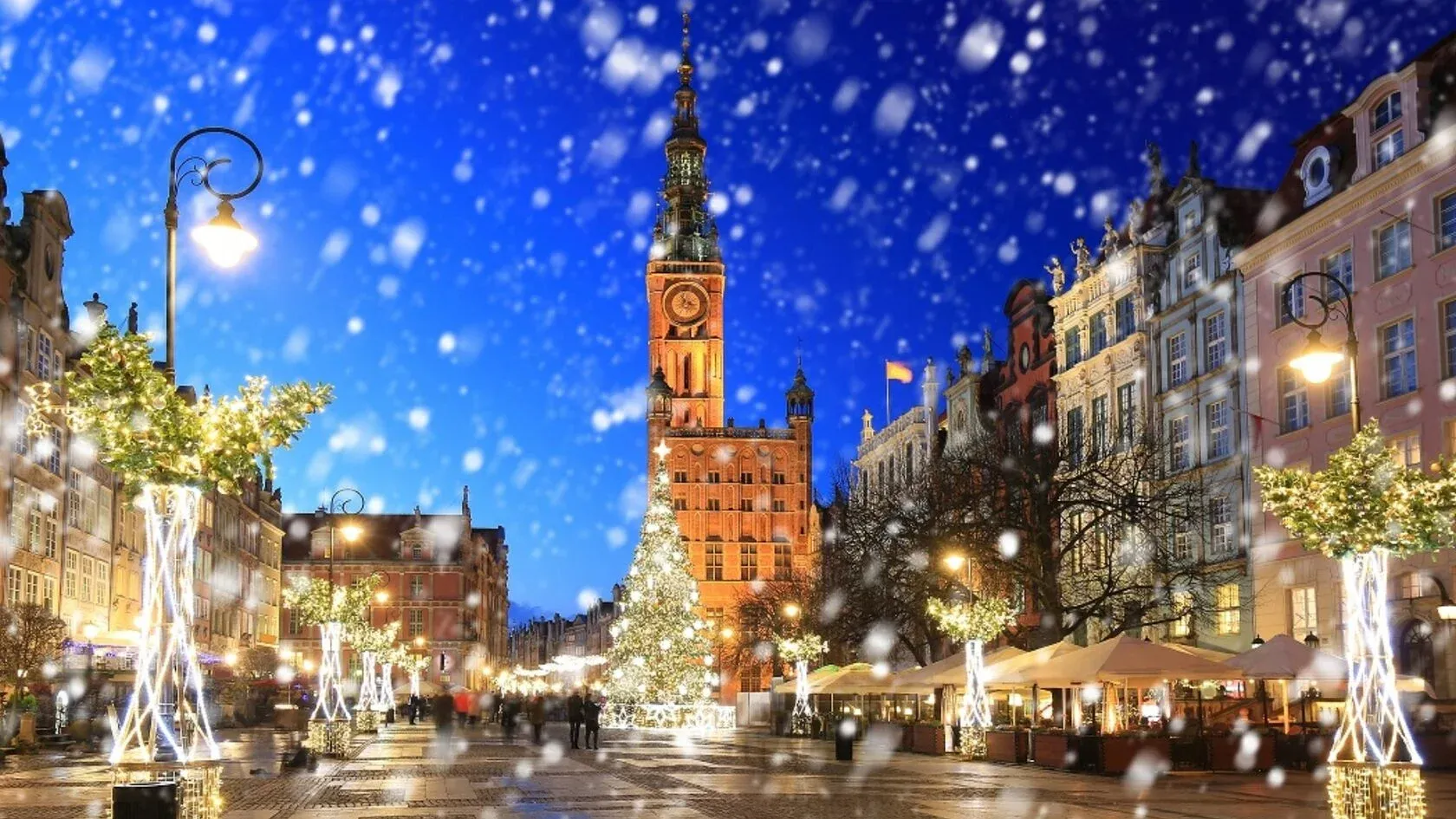
The Royal Route of Gdańsk is a 500-meter parade of wealth that has flowed through the Motława for centuries. Długa Street and Długi Targ Street are the most expensive street in northern Europe in the Middle Ages — a square meter of land here cost as much as a small town. You can follow the same road that the Polish kings walked during the ceremonial entrances to the city.The Uphagen House at 12 Długa Street is the only surviving patrician tenement house, where you can see how the wealthiest of Gdańsk lived. The interiors of the 17th century have preserved the original stucco, fireplaces and even a kitchen with white tiles. In the pantry stands a real refrigerator from 1780 - a wooden wardrobe filled with ice from the Vistula. Fountain of Neptune from 1633 - the ruler of the seas holds a trident pointing towards the Vistula, reminding everyone who rules Gdańsk water and trade. The bronze sculpture weighs 650 kilograms and its trident is 3.5 meters high.
{{ctablock}}
crane
The most famous symbol of Gdańsk is not only a monument, but proof of how far developed the medieval technique was. The crane of 1444 could lift loads of up to 2 tons to a height of 27 meters, which is more than modern construction cranes. It was driven by humans, walking inside giant circles like hamsters in a cage. It houses the Central Maritime Museum, where you can see how the oldest port crane in Europe worked.
Where to relax after an intense sightseeing
When you get tired of the cobbled streets of the Old Town and the museum marathon comes to an end, Gdańsk will reveal its gastronomic face.In this culinary landscape, it stands out Restaurant in Gdańsk, which redefines the concept of evening rest. The Secret Room, a space in the heart of the city, is the meeting of two worlds: sophisticated European cuisine and bartending art at the highest level. In the moderately lit interiors of the Secret Room, excellent dishes are combined with signature cocktails, creating an atmosphere that allows you to forget about the city bustle. It is here that the day spent discovering the treasures of Gdańsk turns into an evening full of flavors and conversations that last until the late hours.

4. Warsaw
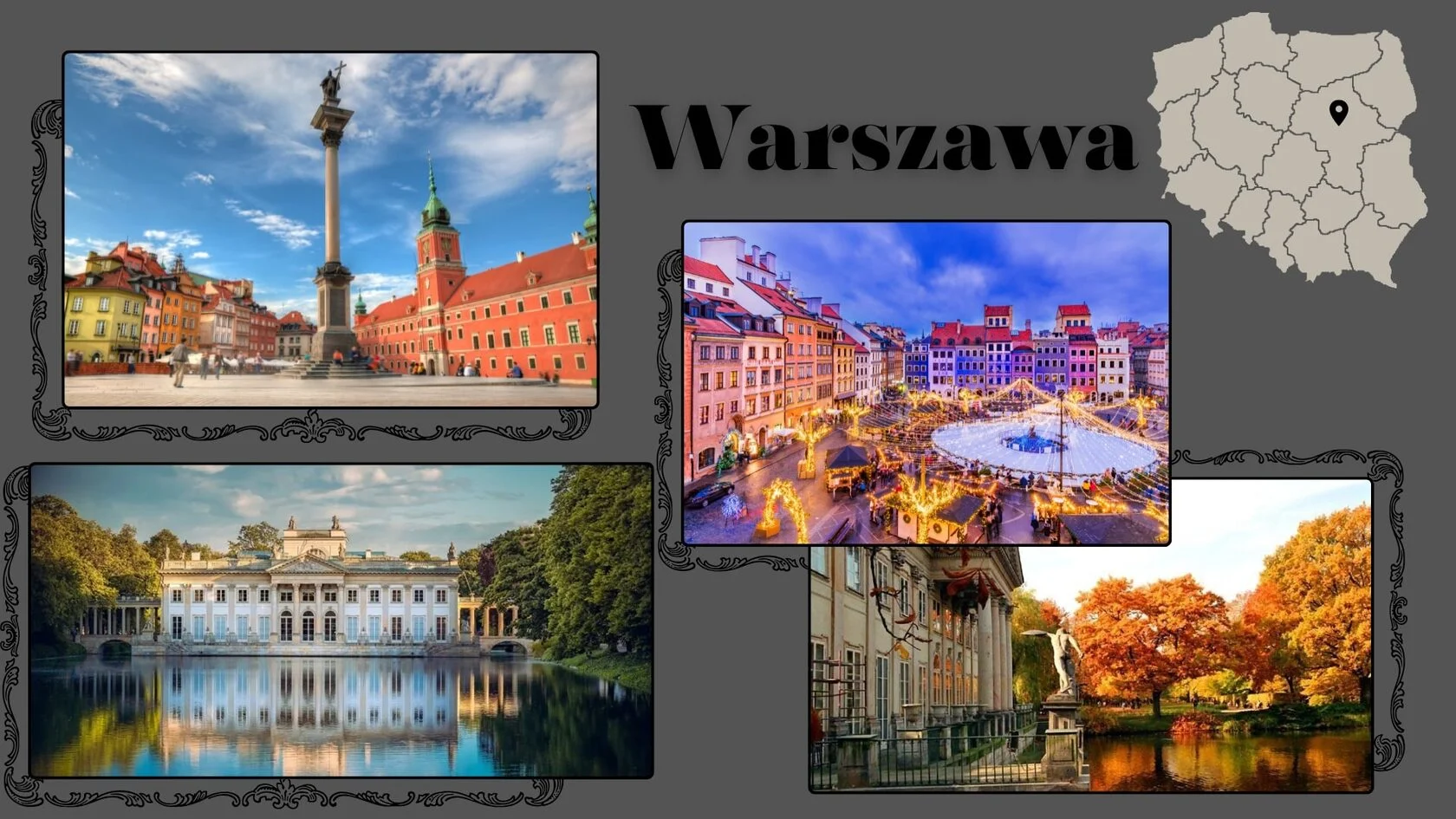
From the northern coast of Gdansk to the heart of Poland, you have to overcome 347 kilometers through the Mazovian plains. That's how much it takes to travel to a city that died and rose again. Warsaw was 84 percent destroyed during World War II, and today it is the only capital in the world to have been completely rebuilt according to pre-war plans. This is the largest reconstruction project in human history.
Warsaw Old Town
85% of the buildings in Warsaw's Old Town are reconstructions from the 1950s, but made with such precision that UNESCO inscribed it on the World Heritage List as “a unique example of a near complete reconstruction of a historical architectural complex”. Residents rebuilt their city stone by stone, using pre-war photographs, drawings and even paintings by Canaletta.The Royal Castle is a reconstruction that took 43 years of hard work and 16 billion Polish zlotys of that time. The interiors were recreated according to 18th century inventories, and some furniture and paintings (such as Bacciarelli's canvases from the series “The Days of King Władysław IV”) were miraculously saved from the war fire.
Royal Łazienki
The largest park in Warsaw is 76 hectares of greenery, where 4000 squirrels live, who are not afraid of people. The Palace on the Water, located on an artificial island, is reflected in the pond as if from a fairy tale of the Brothers Grimm. King Stanisław August Poniatowski built a residence here in the 18th century, which was supposed to be on par with a European court.In the park you will find a monument to Chopin from 1908 — one of the most beautiful monuments of the composer in the world. Under the bronze and granite willow, on summer Sundays, free Chopin recitals are held, which up to 5,000 people listen to at the same time.
5. Wroclaw
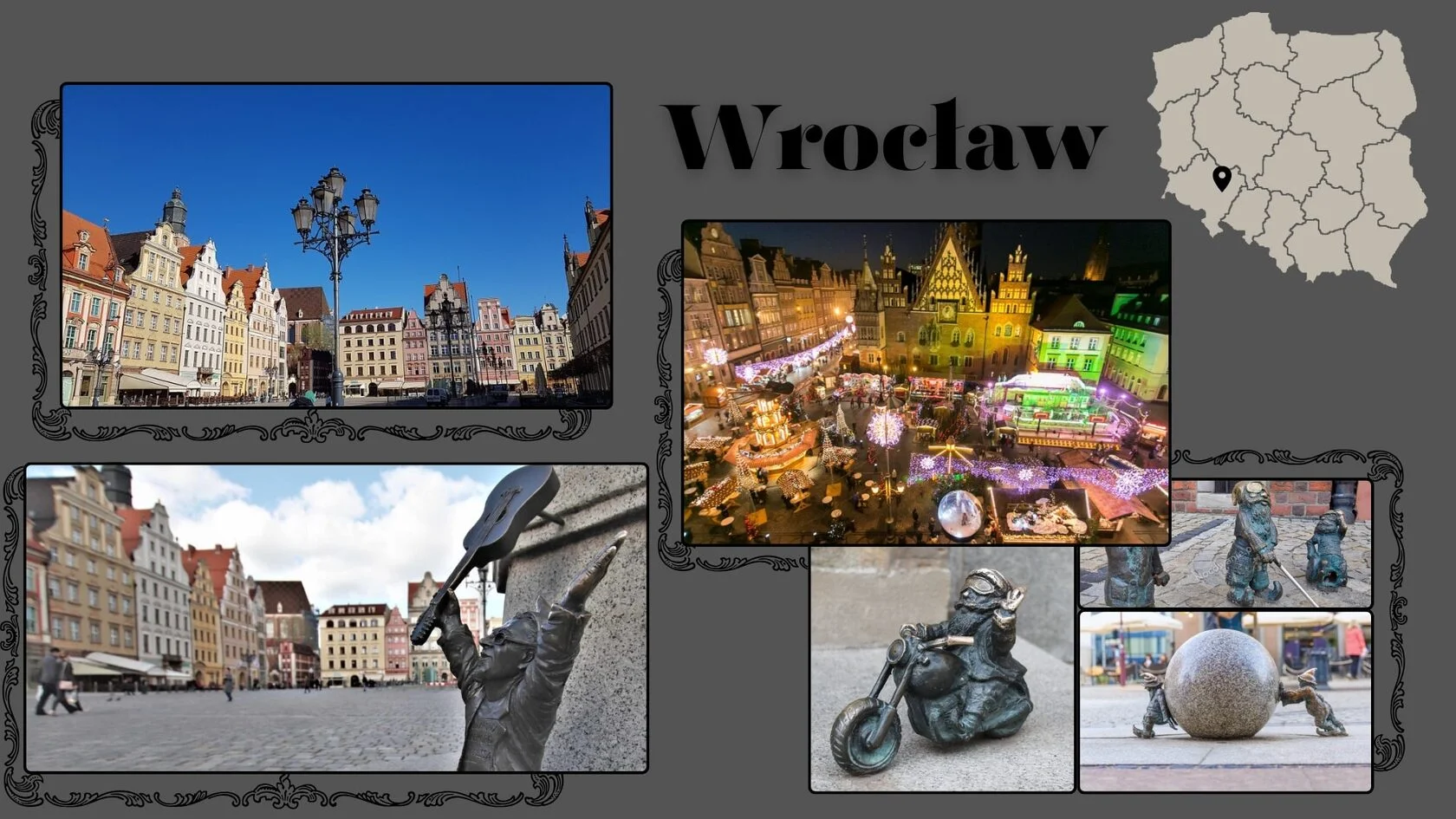
It is 350 kilometers from Warsaw to Wroclaw. We go to the southwest, to a city that the water has shaped like a sculptor. Odra, Oława, Śląza and Widawa divide Wrocław into 12 islands connected by 112 bridges (more than in Venice!). It is a city that was Polish, Czech, Austrian, Prussian and German, and since 1945 it is Polish again. This multiculturalism has left its mark on every tenement house.
Wroclaw Market Square
The second largest market in Poland (after Krakow) impresses not only with its size, 213 by 178 meters, but above all with its colors. Each of the townhouses has a different color — from pastel pink to intense green. It's not a coincidence. In the Middle Ages, the owners painted the facades to distinguish their properties from their neighbors.The Wrocław Town Hall was built for 250 years — from 1299 to 1504. Its southern wall is decorated with an astronomical clock from 1580, which shows not only the time, but also the phases of the moon and the position of the sun in the signs of the zodiac. The mechanism has been operating without interruption for more than 400 years.
Wroclaw Dwarfs
There are officially 763 dwarfs living in the whole of Wrocław. This is the largest population of these small inhabitants in the world. The first dwarf, “Papa Dwarf”, appeared in 2001 on Świdnicka Street as a tribute to the Orange Alternative — an art movement from the 1980s that painted graffiti with a dwarf as a form of protest against communism. The search for dwarves is an unusual city game that turns sightseeing into a detective adventure. Passing through Wroclaw is a journey through centuries. From the Gothic cathedral on Ostrów Tumski (the oldest part of the city, where the bishopric was founded in 1000) to the ultra-modern Sky Tower, the tallest building in Poland (212 meters), outside Warsaw.
6. Masuria
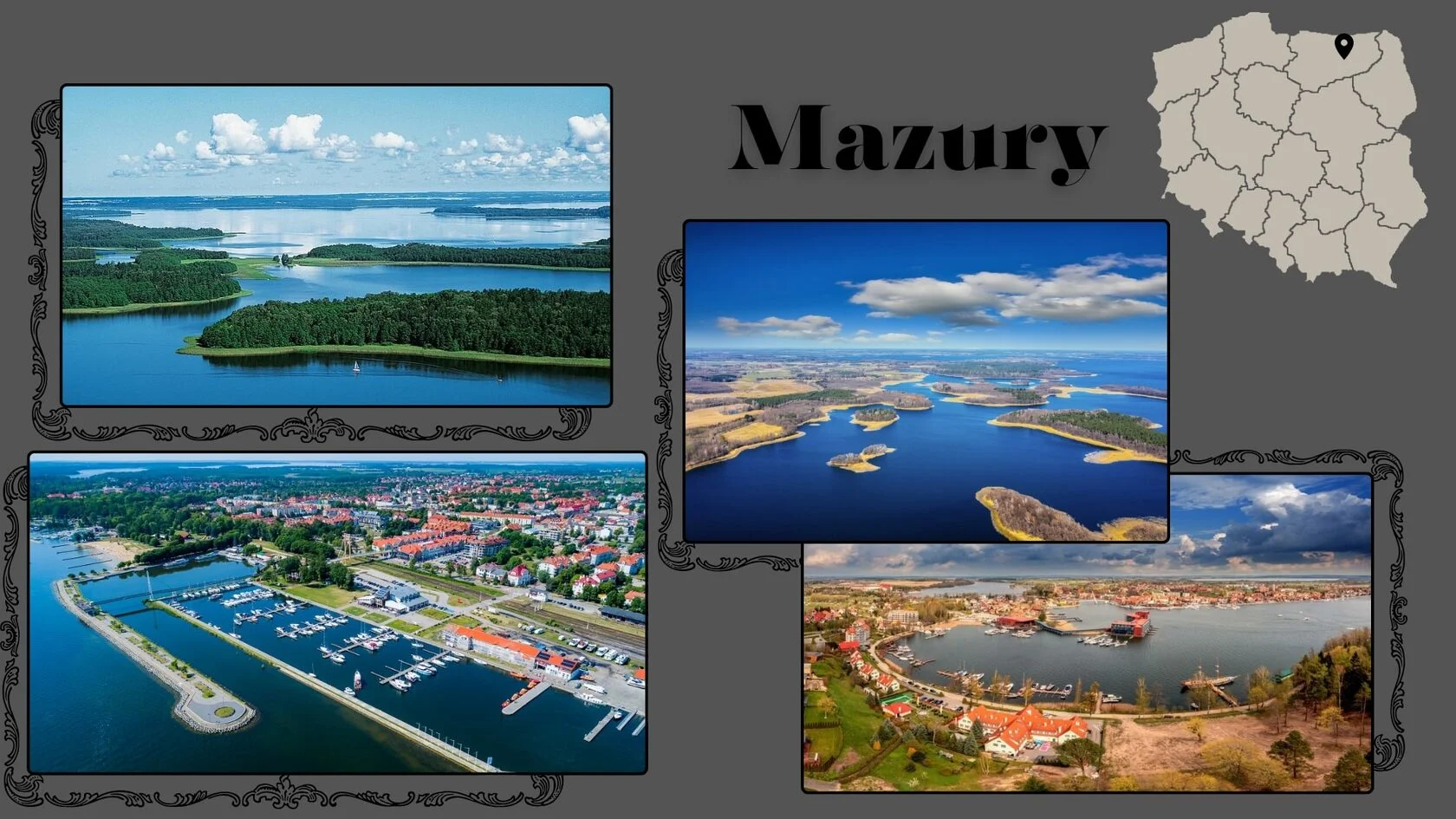
From Silesian Wroclaw to the northeast of Poland, let's go to a completely different world. Where to spend the weekend when the soul needs silence interrupted only by a splash of waves? Masuria is the answer that 2.5 million tourists a year are looking for. On an area of 52,000 square kilometers there are more than 4,000 lakes — the most in Central Europe.
Snyardwy
The largest lake in Poland has an area of 113.4 square kilometers and shores with a length of 87 kilometers. Śniardwy is so big that during a storm it can stir waves up to a meter high. At its widest point, the lake is 13.4 kilometers wide — from one shore you can't see the other. There are 8 islands on the water, the largest of which, Wielka Żuława, has 205 hectares of area.Around Lake Śniardwy stretches the Masurian Landscape Park, where 50 species of fish live, including pike, pike and catfish. Some specimens weigh more than 30 kilograms. This is a paradise for fishermen who come here from all over Europe.
Gizycko
The capital of Masurian sailing is a city that lives on water. In the marina at Moniuszki Street there are 400 yachts at the same time, and in the summer season 200 boats pass through Giżycko per day. The Łuczański Canal connects Lake Niegocin with Mamrami and forms a navigable waterway with a length of 50 kilometers.The Giżycko Swing Bridge from 1889 is the only such technical monument in Poland. It rotates 90 degrees every hour to let the sailboats that sail through the canal. The mechanism is powered by the still original steam engine from the 19th century.
{{ctablock}}
Mikolajki
Located on seven hills, the city is spread over three islands connected by bridges. From here, sailors set off for Śniardwy through a canal only 200 meters wide. On summer weekends, the population of 3800-person Mikołajki increases to 50 thousand people — the city is taken over by sailors, windsurfers and water sports enthusiasts.
7. Wieliczka Salt Mine
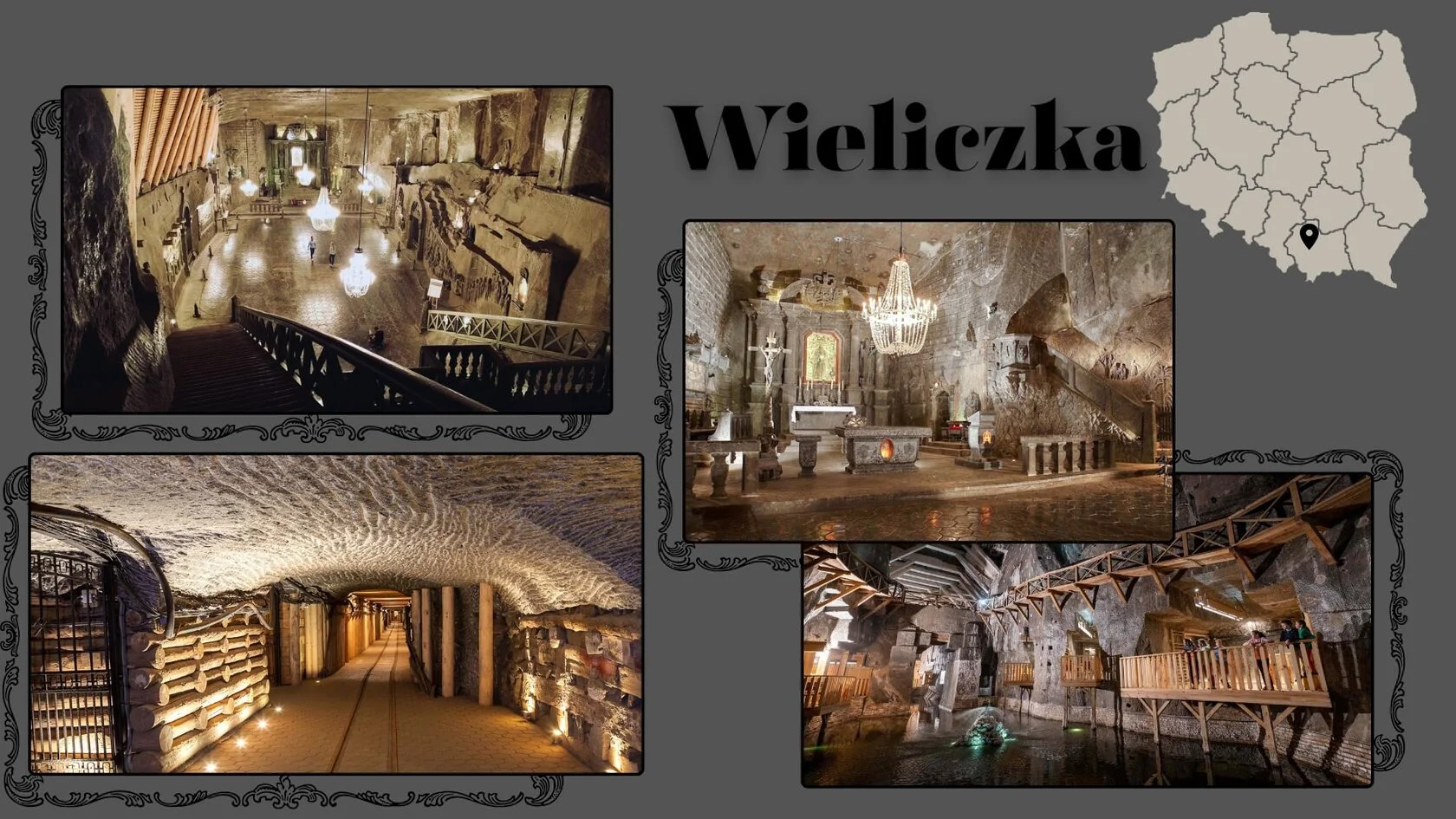
135 meters underground is one of the oldest enterprises in the world. Wieliczka Salt Mine has been operating continuously since 1248 — 776 years of continuous exploitation of salt. In 2007, it was the first in Poland to be included in the UNESCO list, and in 2013 it was recognized as a Monument of History.Underground awaits a labyrinth of 245 kilometers of corridors on 9 levels, which reach a depth of 327 meters. Tourists explore only 3.5 kilometers of hiking trails, but this alone is enough for a 3-hour journey through 20 chambers hollowed out in monolithic salt.The Chapel of St. Kinga, located at a depth of 101 meters, is a masterpiece of folk sacred art. Everything was forged in salt by miners in their free time from work. Leonardo da Vinci's sculpture, “The Last Supper”, is 4.5 meters wide and consists of a single block of salt. The acoustics of the chapel are so excellent that classical music concerts are regularly held here.The underground lake in the Erasmus chamber, Barącz, is 9 meters deep and contains 27 percent brine, which is so salty that drowning is impossible. The water temperature throughout the year is 16 degrees Celsius.
8. Malbork
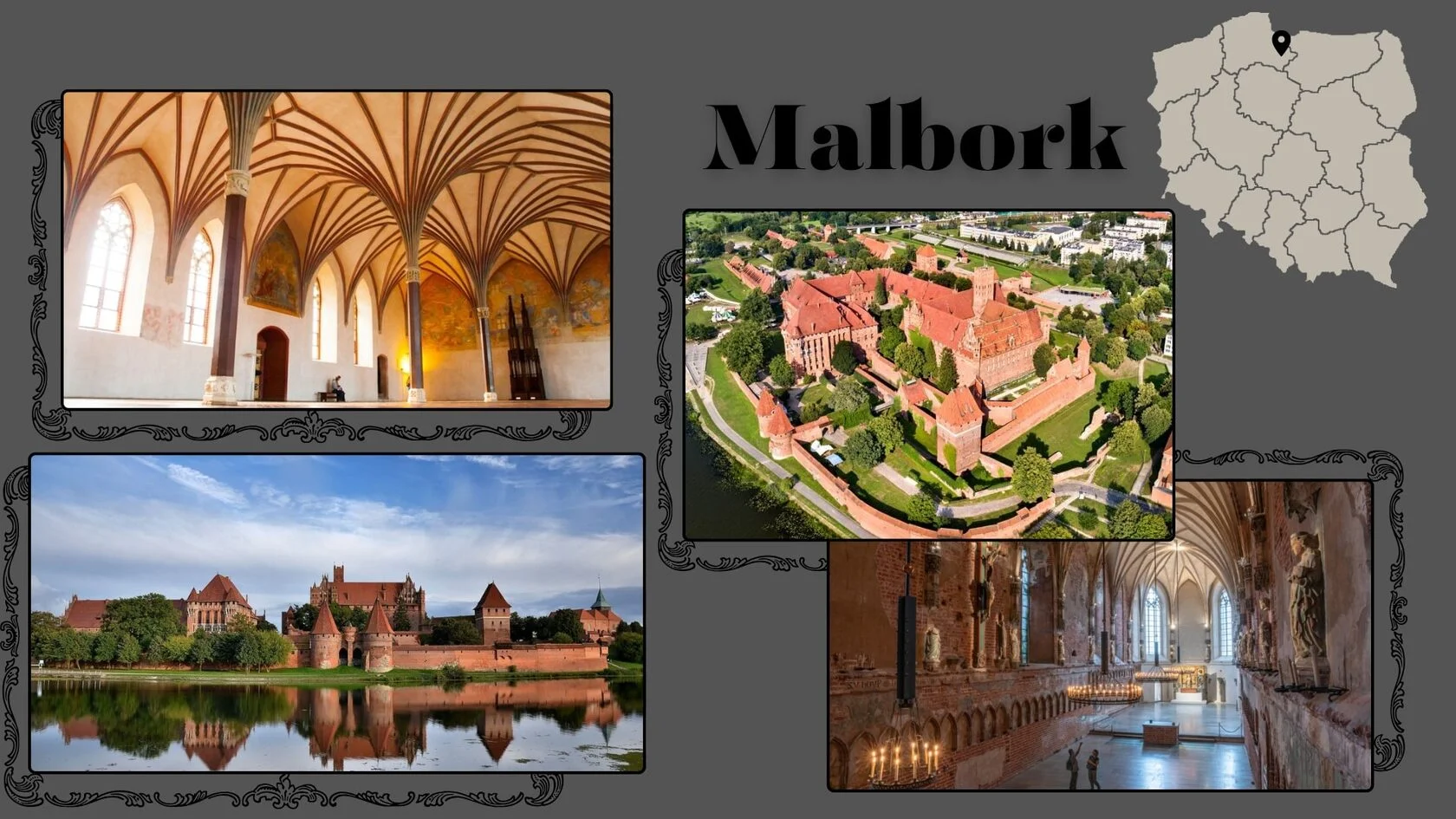
From the salt depths of Wieliczka to the north of the country, to the Vistula delta, where in the 14th century the Teutonic Knights erected the largest castle in the world. Malbork is 143 thousand square meters of walls, towers and courtyards — an area larger than the center of Venice. This Gothic fortress consumed 350 million bricks and was built for 230 years by successive generations of Teutonic builders.The Middle Castle with the Palace of the Grand Master are apartments where the rulers of the religious state - one of the most powerful in Europe at that time - lived. The Chapter Hall has 450 square meters of space, without any intermediate pillar — a marvel of fourteenth-century engineering. It was heated by the hypocaustum system, or ancient Roman underfloor heating.The castle chambers house the largest collection of medieval weapons in Poland. 2300 exhibits, from Teutonic swords to hand cannons of the 15th century.Visiting the entire complex takes a full day.
9. Białowieża
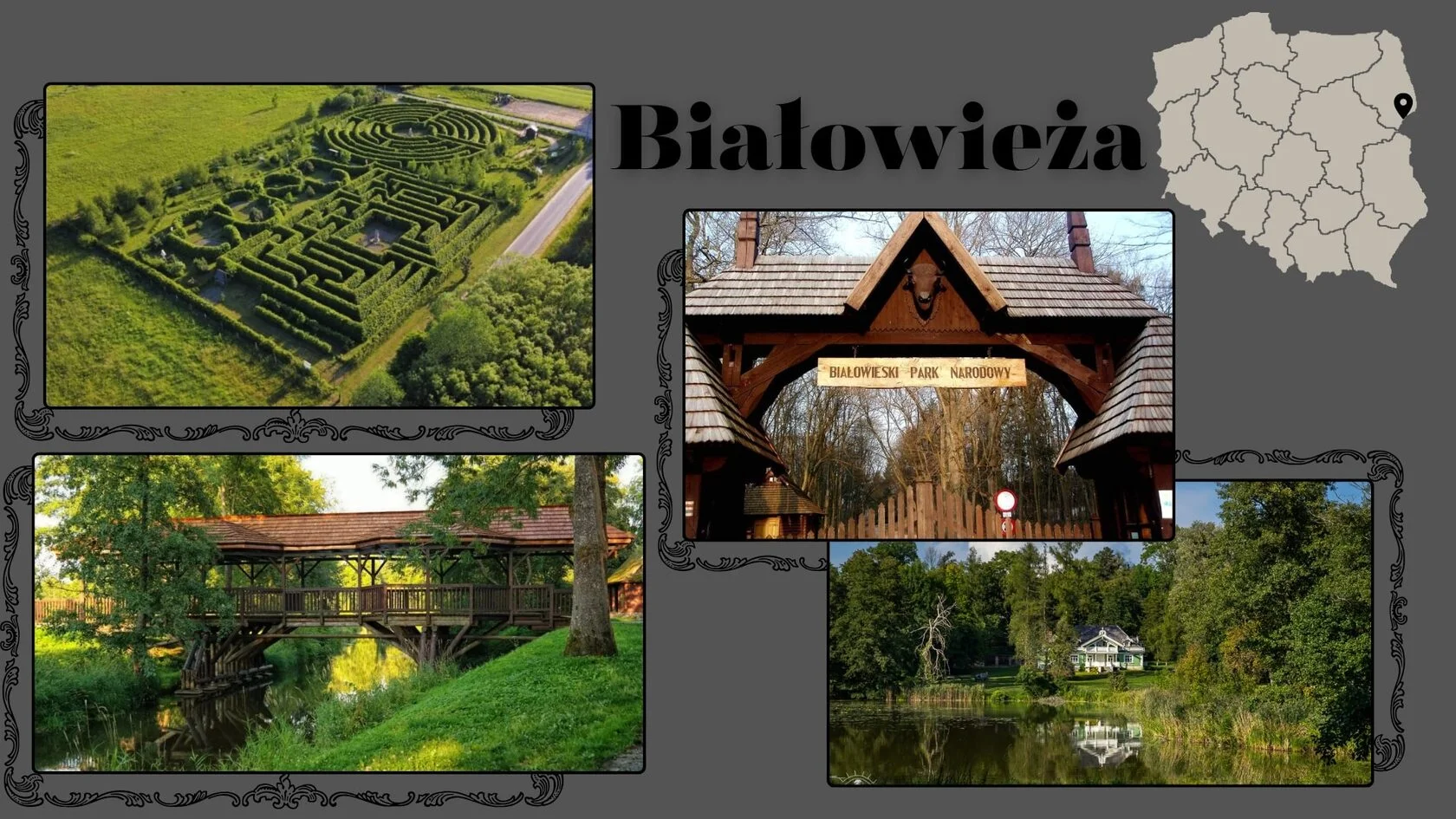
300 kilometers east of Malbork begins a completely different world - the Białowieża Forest, where time stopped 10 thousand years ago. This is the last fragment of the original forest that once covered all of Lowland Europe. On the area of 63 thousand hectares (on the Polish side) grow 26 thousand species of plants, fungi and animals (more than in the whole Kingdom of Great Britain!). The bison — king of the forest — weighs up to 920 kilograms and is the largest mammal in Europe. There are 800 bison in Białowieża, the largest herd in the world. These are the descendants of the individuals that saved the species from extinction in the 1950s, when only 12 bison remained in the wild throughout Europe.Białowieża oaks are 500-700 years old each and have girths exceeding 8 meters. The Bartek oak, the most famous of the patriarchs of the forest, is 670 years old and 825 centimeters in circumference. Under its crown, 30 people would take refuge. The Professor Sokołowski Nature Trail leads through 2.7 kilometers of the most valuable fragments of the forest. The walk takes 2 hours and allows you to see 350-year-old spruce trees, 50 meters high and hear the concert of 120 species of birds.
10. Bieszczady
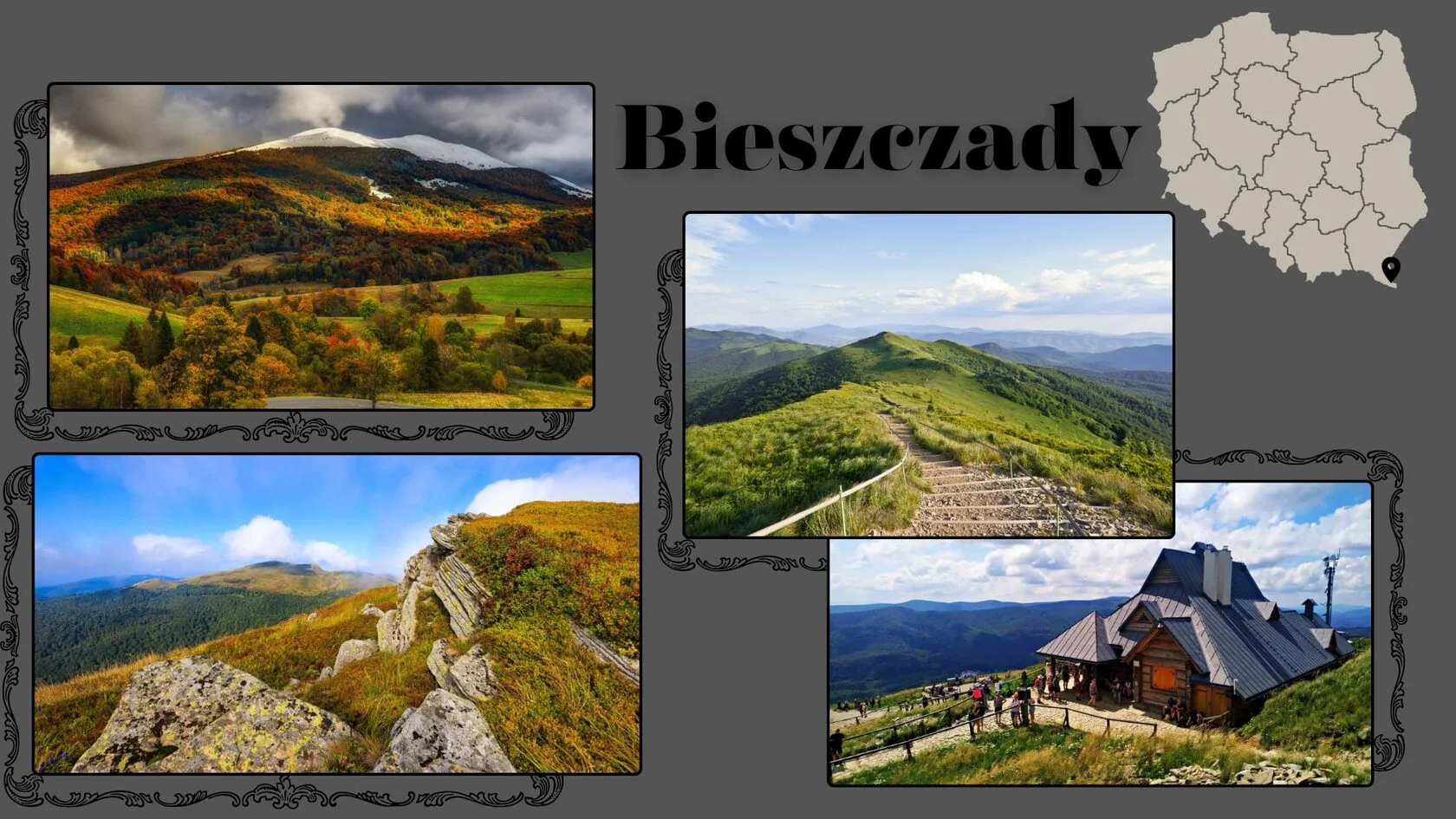
From the original forest we go east, to the Polish wild mountains, where Europe ends and the Eastern Carpathians begin. Bieszczady is the least populated region of Poland. There are only 7 inhabitants per square kilometer. These are mountains without tourist shelters, where on the trail you can walk a day without passing by a living soul.Wetlińska Połonina at an altitude of 1255 meters. It is the largest mountain meadow in Poland — 2000 hectares of grass, where sheep and Hucul horses have grazed for centuries. From here you can see three countries at once: Poland, Slovakia and Ukraine. During the grazing season, from May to October, 50,000 sheep live in traditional shepherding huts in the Polonina. Tarnica (1346 meters above sea level) is the highest peak of Poland in the Bieszczady Mountains. The ascent takes 6-8 hours from Volosati, but from the top you can see the panorama of the Carpathians stretching for 200 kilometers. On a clear day you will see the peaks lying in Ukraine, 100 kilometers further to the east.Bieszczady Forest Railway is a 21 kilometer narrow-gauge railway that has been transporting tourists through the Bieszczady forests since 1895. The train consists of an authentic Px29-2 steam locomotive from 1928 — one of the last active steam locomotives in Poland. The journey from Maidan to Balnica takes 90 minutes through areas where brown bears, wolves and lynxes live.
11. Giant Mountains
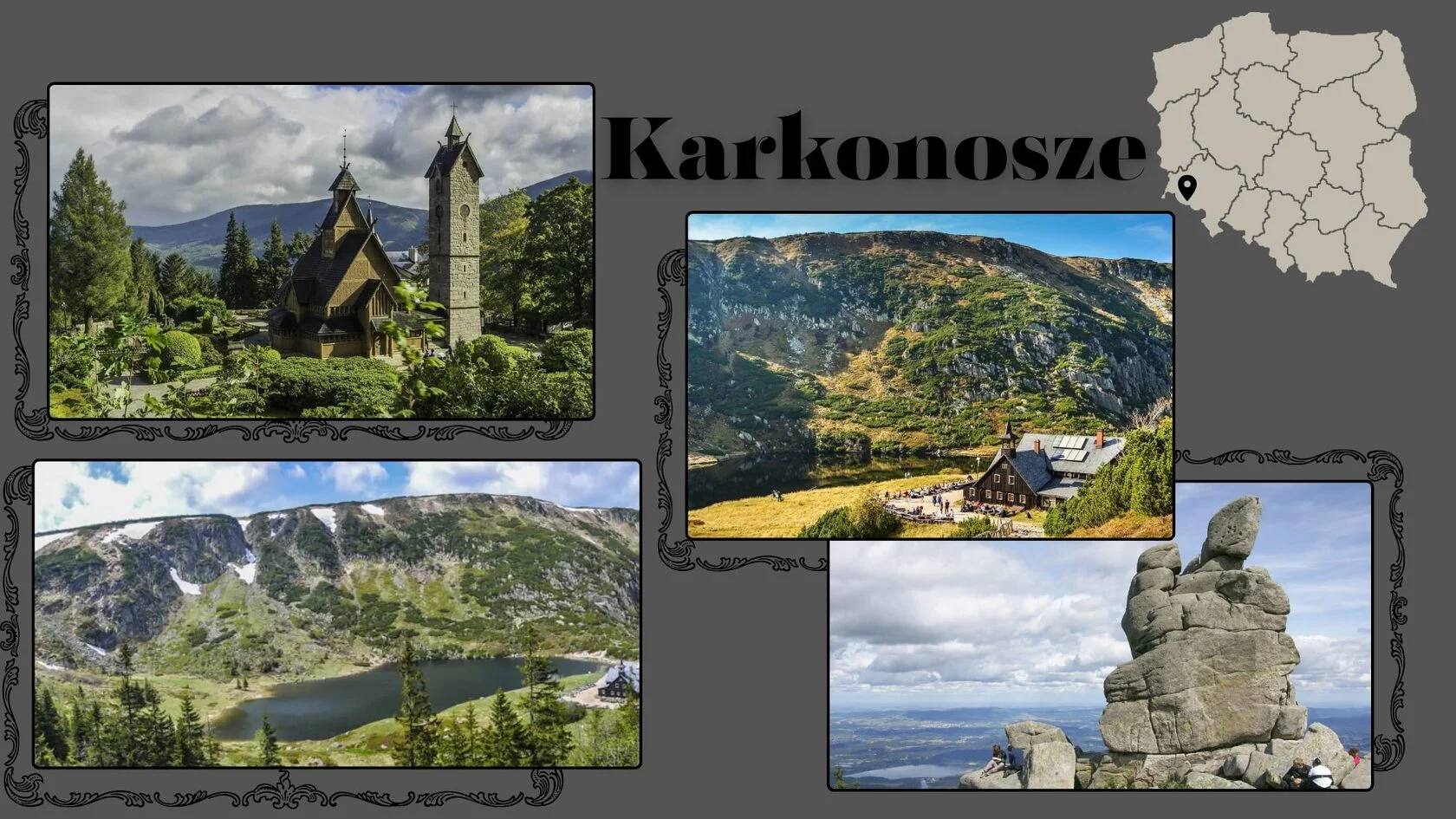
From the wild east to the west, to the highest mountains of the Sudetenland, where legend mixes with reality. The Giant Mountains are the kingdom of the Spirit of the Mountains — a mysterious giant who, according to legends, punishes those who do not respect mountain nature. It is also a kingdom of real rock giants — granite towers that rise out of the fog like castles from fairy tales.Śnieżka (1603 meters above sea level) is the highest peak of the Giant Mountains and Bohemia, but at the same time one of the most easily accessible mountain adventures. A cable car from the Czech side and a chairlift from Karpacz lead to the top. On a clear day from Śnieżka you can see Prague, 150 kilometers away.Karpacz is a city with the oldest wooden temple in Poland. The 12th century Wang Church was moved from Norway in 1841 — the whole structure was disassembled, transported across half of Europe and reassembled in the Giant Mountains. This is the only stavkirke (Norwegian stave church) outside Scandinavia.Snow Cauldrons is the most picturesque place in the Giant Mountains — glacial lakes are surrounded by 200-meter rock walls. In winter, the Boilers fill with snow to a depth of 15 meters, forming a natural ice amphitheater. Summer hiking around the lakes is a 4-hour route through the Sudeten tundra, the only Arctic climate zone in Poland.
Practical advice for Polish explorers
The best times of year to visit
When to go for a short trip? Each season has its advantages:
- spring (April-May) is the time of blooming orchards in Roztocz, Tatra crocuses and the first warm days by the sea, when hotels cost half the holiday prices.
- Summer (June-August) is the peak of the season on the Baltic Sea, but also the best time for high-mountain hiking in the Tatras, where on Kasprowy Wierch the temperature can oscillate around 15 degrees, when in the valley it is 30.
- autumn (September-October) is the golden Polish autumn — summer in the Bieszczady Mountains, colorful Masurian forests and the least number of tourists in Krakow or Gdańsk.
- Winter (November-March) is the time for thermal baths — Zakopane, Podhale, Warmia and Masuria, where hot springs operate throughout the winter. It is also the best time to visit museums and taste Polish cuisine.
{{ctablock}}
Transporte
PKP Intercity trains connect all major cities — from Warsaw to Gdansk in 2 hours 58 minutes, to Krakow in 2 hours 28 minutes. Pendolino to Tri-City is the fastest train in Poland (maximum 200 km/h), but TLK costs half the price for a slightly longer journey. FlixBus and PolskiBus buses reach places where trains do not reach - to the Bieszczady Mountains, to Kashubia, to the Sudetenland. The car gives you the greatest freedom, but remember: in July and August, getting to Zakopane on a weekend can take 8 hours from Warsaw instead of the usual 4.Public transport: Warsaw, Krakow, Wroclaw and Gdansk have mobile applications for buying tickets. Gdańsk has SKM (Rapid Municipal Railway), which connects Gdansk with Sopot and Gdynia. Trains leave every 10 minutes.
Accomodations
Five-star hotels in city centers cost 400-800 PLN per night, but hostels in the same locations can be booked at a price of up to 80-150 PLN. Airbnb in Poland costs an average of PLN 200 for an apartment for 4 people.Agritourism in Masuria or in the Bieszczady Mountains is 80-120 PLN per night with meals and often with the possibility of using a sauna, bicycle or boat. Glamping (luxury tents with bathrooms) costs 300-500 zlotys, but allows you to sleep in the forest with the comfort of a hotel.
Poland — a country that will surprise you every time
Fascinating corners of Poland do not end with this article. It's just the tip of the iceberg. Each region hides dozens of local treasures: the Land of Open Shutters in Podlasie with colorful huts, Ojcowski National Park with caves and castles in the Jura, or Łódź with its industrial architecture and the longest shopping street in Europe.Poland is a country that you can explore all your life and constantly find new places. From a weekend trip to Zakopane, to a week-long road trip through the Eagle Nests Trail — every trip brings new experiences and memories for the years.The main thing is not where to go for the weekend, but to set off at all. Because as the Poles themselves say: “There is nothing like home” — and they are right. The country is beautiful, diverse and full of surprises. Just open your eyes and leave the house.