
What are the types of kitchens and how do they differ?
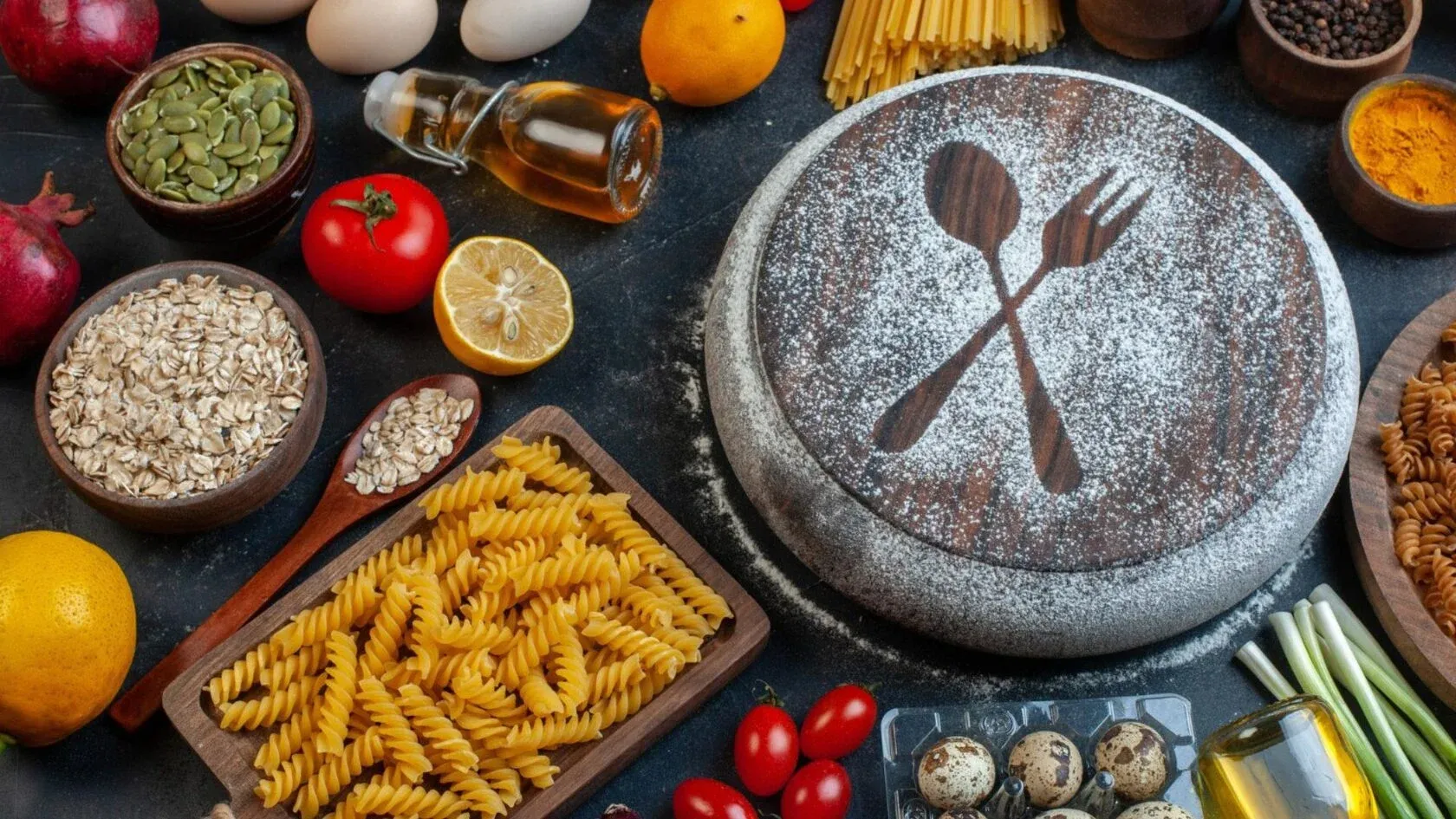
The best cuisines of the world are living museums of flavors, where each dish tells a story. No cuisine was created by chance — it is the result of thousands of years of evolution, where climate, geography and human wanderings have created unique taste compositions.Why do Italians use basil and Chinese ginger? How did fusion cuisine come about and can exotic food really become everyday? Let's discover the fascinating world of culinary art together!
What shapes the flavors of the kitchen?
Different culinary traditions are not random collections of recipes, but a living cultural heritage that arose out of necessity and developed into culinary art. Each culinary tradition is the answer to a fundamental question: how to make the most of what nature gives us? The geographical differences are fascinating. The Scandinavians, living in a climate where summer is short, developed techniques for preserving fish by creating gravlax or surströmming. Residents of the tropics, who have access to fresh fruit all year round, have created kitchens based on the natural sweetness of mango, pineapple or coconut. The best cuisines of the world use local wealth — olive oil is most commonly used in the Mediterranean, rice in monsoon countries, and corn in America. The history of trade and conquest has written the culinary fortunes of the continents. When the first printed cookbooks were being created in 15th-century Italy, few expected that tomatoes from America would change Italian cuisine forever. Spices from India were worth more than gold, and the Silk Road brought Europe not only fabrics, but also new flavors.
{{ctablock}}
Italian cuisine
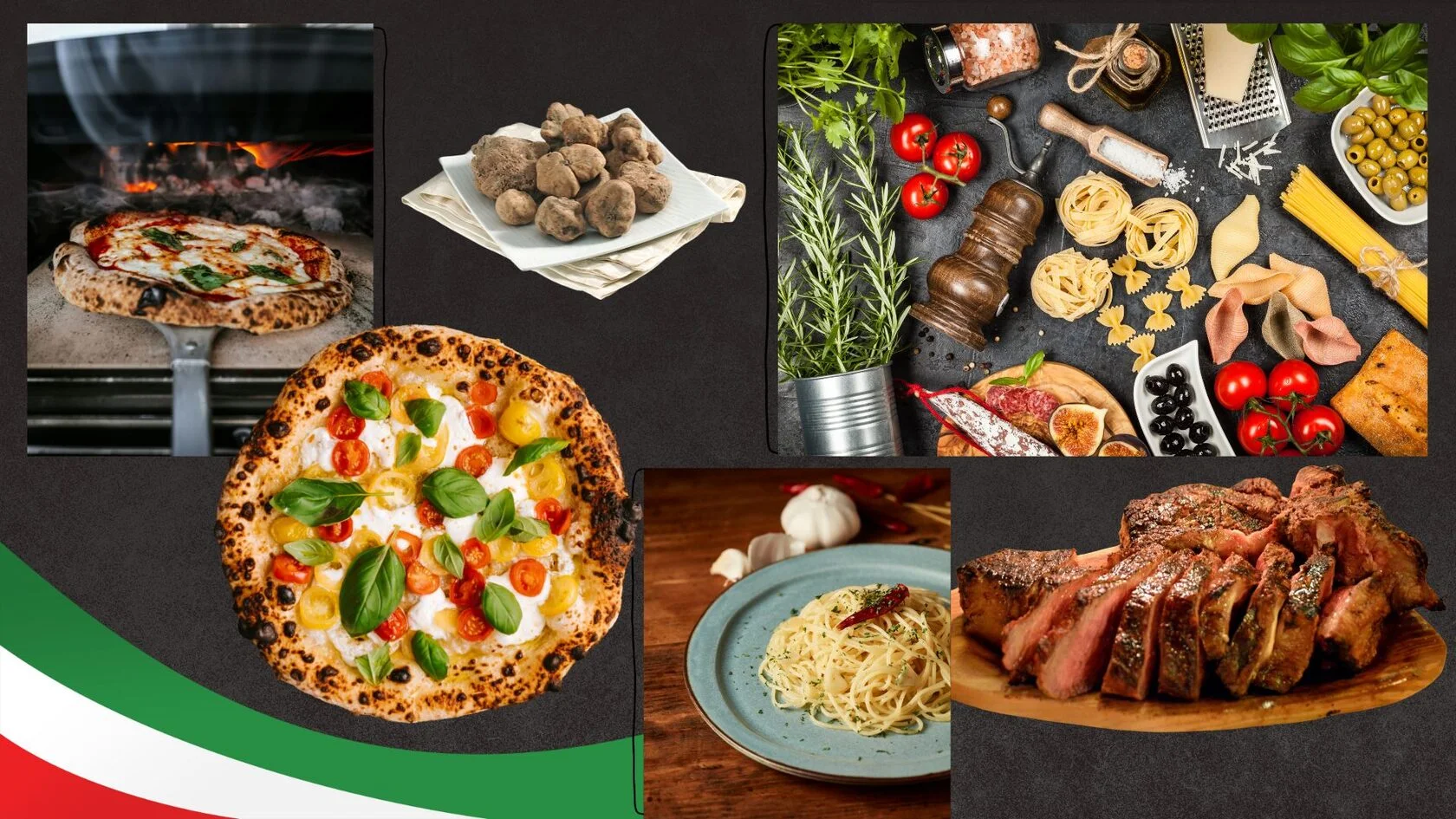
An Italian mom who can create a dish for life with three ingredients is not a stereotype, but the truth about the culinary art that has conquered the world. Italian cuisine, recognized as one of the best cuisines of the world, is based on the philosophy of “la cucina povera” - the cuisine of the poor, which draws wealth from simplicity. The history of this cuisine is fascinating. During the Renaissance, Italian cuisine began to be recognized as an art. It was then that the first cookbooks were created. Hardly anyone predicted that Italy would become the culinary capital of Europe. However, the real revolution was brought by tomatoes from America. American tomatoes back in the 18th century were considered poisonous! Today it is difficult to imagine Italian cuisine without pomodoro. Regional differences are spectacular. In the north, in Piedmont, white truffles cost more than cars, and risotto alla milanese owes its golden hue to the world's most expensive spice, saffron. In Tuscany, bistecca alla fiorentina must weigh a minimum of a kilogram. Otherwise, this is not a real Florentine steak. In the south, in Naples, pizza can only be baked in an oak oven, at a temperature of 485° C for exactly 90 seconds. The Italians are masters of using three ingredients in perfect harmony. Aglio, olio e peperoncino (garlic, olive oil, chili pepper) — a paste that is made in 5 minutes and costs pennies and tastes like a masterpiece. Culinary artistry expressed in simplicity, where the quality of raw materials prevails over complicated techniques.The secrets of Italian cuisine are hidden in the details: Parmesan must ripen for a minimum of 24 months, extra vergine oil cannot be heated above 160° C and real carbonara never contains cream. It is this precision that makes Italian cuisine so reliable and loved all over the world.
Fusion cuisine
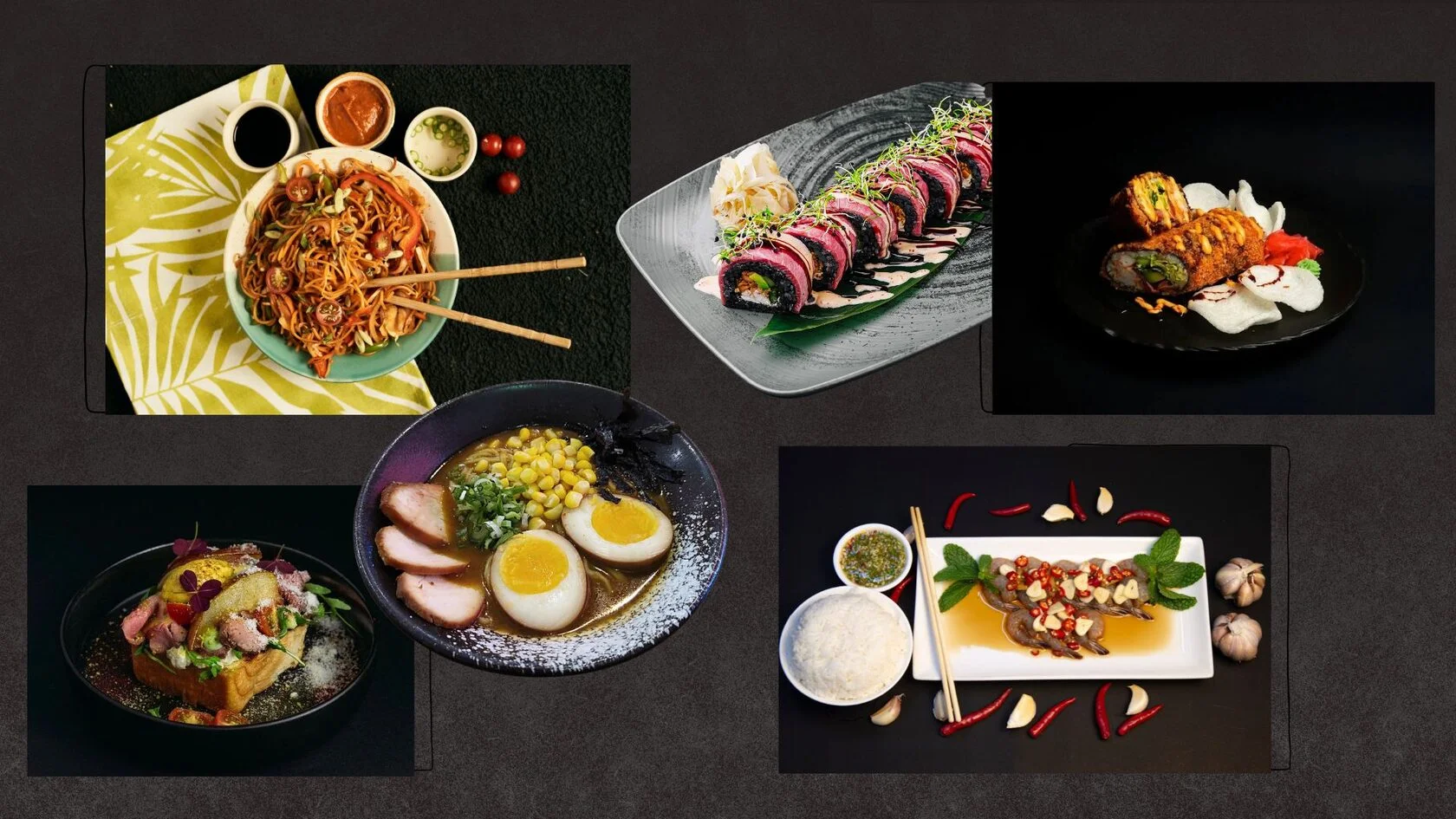
We have already met pure Italian simplicity. It's time for a culinary revolution. Culinary fusion is the creative cooking of the 21st century, where different types of cuisine come together like dancers on the global stage. It is not a random mixing of flavors, but a thoughtful combination of the best of different traditions.The history of fusion actually began in the 1970s in California, when Wolfgang Puck, an Austrian chef, added salmon and caviar to a traditional pizza. The culinary world has gone crazy! Roy Choi sparked another revolution by serving Korean kimchi in Mexican tacos from a food truck in Los Angeles. Suddenly it turned out that the boundaries between kitchens are there to cross them. Fusion characteristics require masterful balancing. It is not enough to throw Asian spices into a European dish - you need to understand the philosophy of each cuisine. Successful fusion cuisine respects traditions, but is not afraid to experiment. Sushi burrito combines Japanese precision with Californian ease, curry ramen shows the meeting of India with Japan.В Secret Room we implement this philosophy every day, combining European style cuisine with WOK dynamics. Our dishes are the result of thoughtful experiments, where French technique can meet Asian spice aromatherapy. This shows how culinary art evolves in the global village.The future belongs to fusion. In a time when a chef from Peru works in Tokyo and Italian pasta meets Peruvian ceviche in Lima, the boundaries between kitchens blur naturally. The great cuisines of the world no longer compete with each other, but dance together on a plate.
Ukrainian cuisine
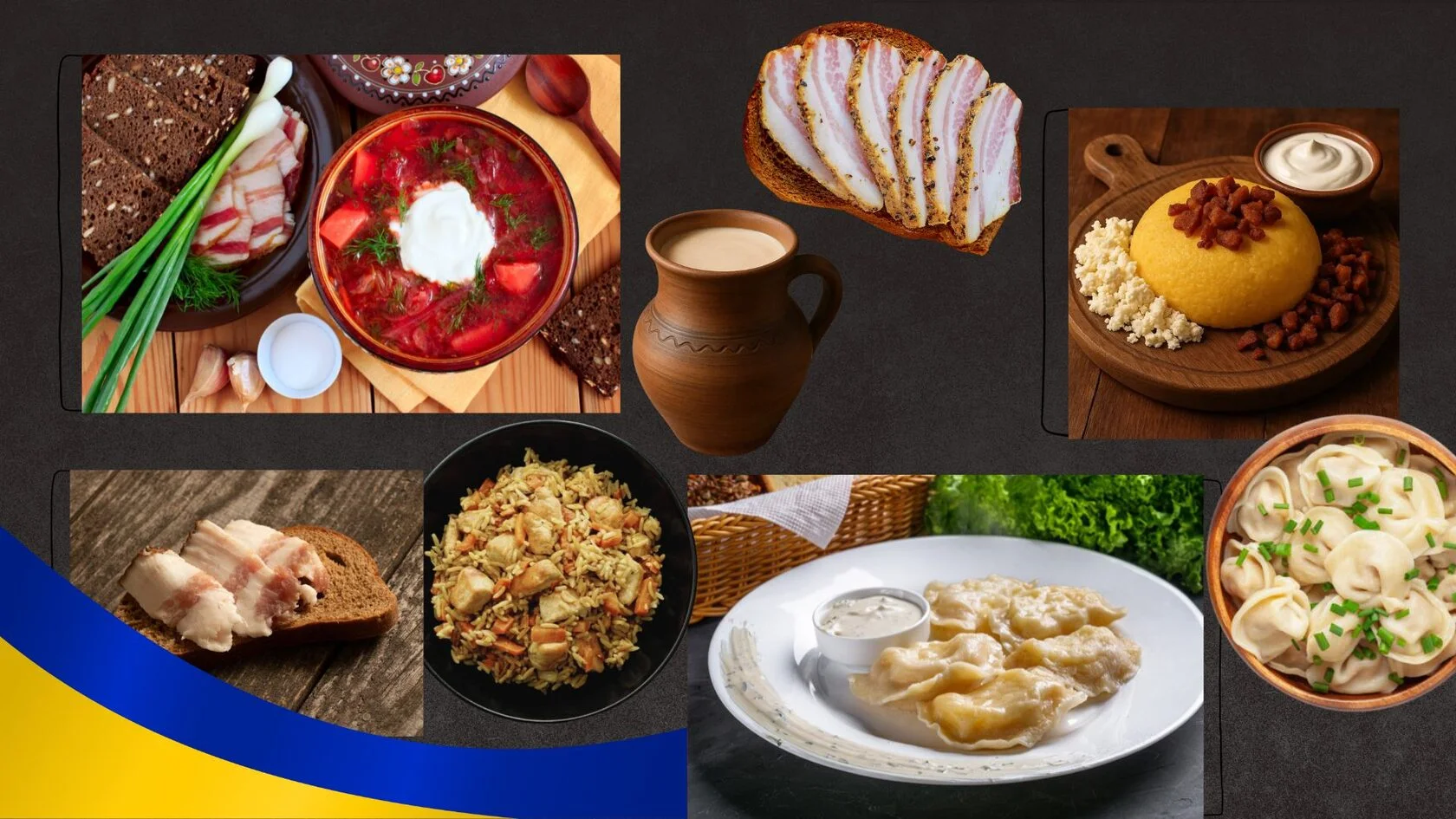
Let's discover the cuisine that for centuries has been the heart of the continent. The Ukrainian culinary tradition is the story of a nation that has been able to create dishes that have united families and communities for generations from simple ingredients.Ukraine has been the “granary of Europe” for centuries. Fertile black lands yielded the best cereals, and the population developed an extraordinary ability to use every gift of nature. Ukrainian borscht was created out of necessity, because the winter lasted 5 months, so pickled beets were a source of vitamins. Today, this ruby decoction with cabbage, potatoes and bacon is a symbol of Ukrainian identity.Regional influences create a fascinating mosaic. Western Ukraine shows Polish and Austrian heritage — vareniki (dumplings) with cottage cheese and cherries, or Hukul mamałyga with bryndza. The East is Russian influences — raw meat pelmeni, which are filled with aromatic broth during cooking. Crimea is Tatar cuisine - fawn with mutton cooked in cast-iron cauldrons. Salo (pork) is not just food, it is a cultural symbol. It can be fresh, cured, smoked, sweet (yes, there are sweet desserts from lard!). It is a source of energy for farmers and shepherds, but also protection against Muslim invaders, for whom pork was taboo.Cooking is an art of survival and joy at the same time. Zaporozhye cabbage soup was a favorite dish of the Cossacks - satisfying, simple, cooked in one cauldron over a campfire. Kutia for Christmas Eve combines wheat (life), poppy (abundance) and honey (sweetness) - each ingredient has a symbolic meaning. Ukrainian cuisine is also a community - long, loud feasts, where food connects generations and builds bonds. The spirit of sharing and hospitality is alive in this tradition.
Chinese cuisine
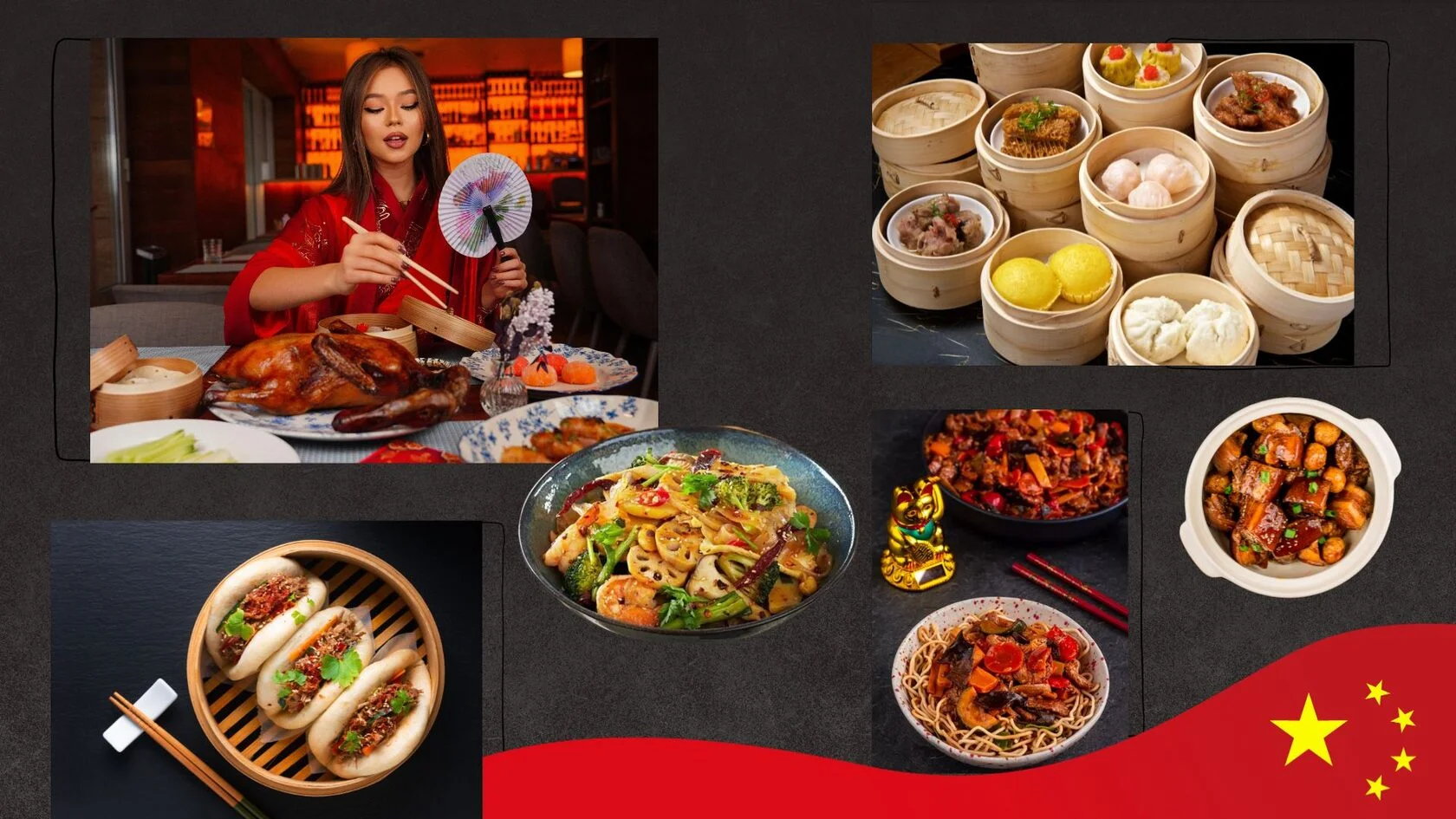
A kitchen that has 5000 years of experience in creating culinary masterpieces. The Chinese cooking tradition is not just about food, it is a philosophy of life based on the balance of five flavors: sweet, sour, salty, bitter and umami - that meaty, deep taste that in the West we are only discovering now.The diversity of China makes you dizzy. Hong Kong Cantonese cuisine is the realm of dim sum (small steamed masterpieces), where each shape has a symbolic meaning. Sichuan cuisine from the west will use 40 types of chili peppers in one dish, and its famous “ma la” (numbness and sharpness) makes the tongue dance with delight and pain at the same time. Peking duck is a ceremony - 120 slices of skin and meat, each perfect, served with cucumber and hoisin sauce. Chinese chefs use only one knife - the cai dao cleaver, with which they make 20 different types of cuts. Each cut has a name and purpose: “ma ti pian” (slices in the shape of a horse's hoof) are ideal for chicken, “xiang yan pian” (slices like elephant tusks) for root vegetables. It is the precision of a surgeon combined with an artistic sensibility. The secrets of Chinese cuisine lie in fermentation, and this process can take years. The hundred-year-old eggs (pídàn) are fermented for 5 weeks in a mixture of clay, ash and salt, acquiring a creamy texture and an intense blue cheese flavor. Soy sauce of the highest quality matures for 3 years in wooden barrels. Cooking is the art of balance — not only taste, but also energy. Each ingredient has its own nature: “re” (hot) like ginger or “liang” (cool) like cucumber. Chinese cuisine heals the body by creating the right combinations.
Spanish cuisine
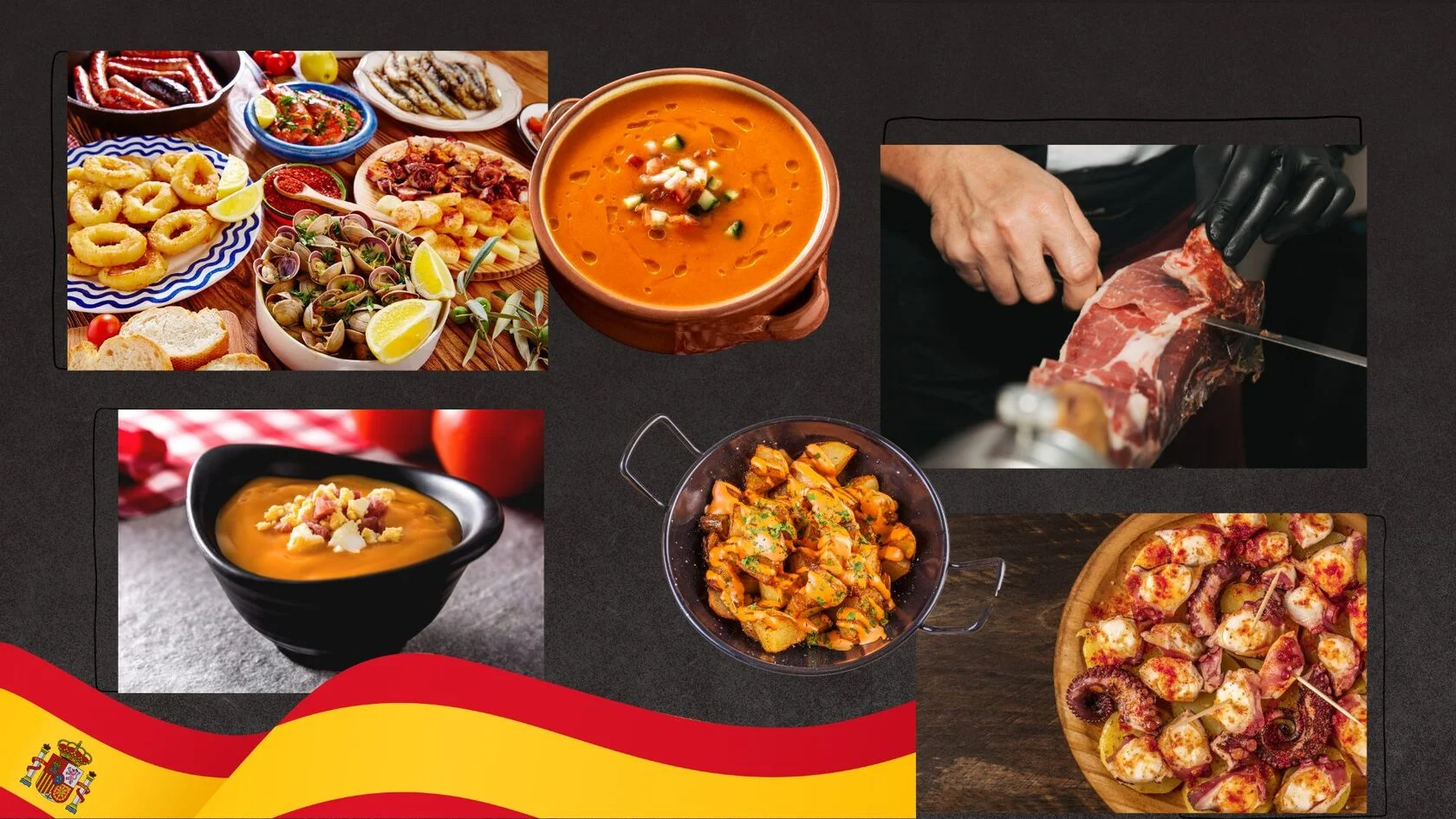
In the sunny Iberian Peninsula, culinary art pulsates like the rhythm of flamenco. Spanish cuisine is a passion expressed in food — hot as the Andalusian summer and diverse as a country that for centuries has been a crossroads of cultures. The history of Spanish flavors is a story about the encounters of civilizations. The Arabs (711-1492) left saffron, almonds and the technique of growing rice - without them there would be no paella. Sephardic Jews brought the art of canning and almond sweets. The discovery of America (1492) brought tomatoes, peppers, potatoes. It is difficult to imagine Spanish cuisine without gazpacho or patatas bravas.The regional differences are spectacular. In Galicia, in the north, 4,000 tons of octopus are processed annually — pulpo a feira is a religion there. The Basque Country invented the Basque nouvelle cuisine back in the 1970s, creating the lightest cuisine of Spain. Andalusia in the south is the kingdom of cold soups (gazpacho, salmorejo, ajoblanco). Each province has its own version. Tapas culture is a social phenomenon. The word “tapar” means “to cover.” Originally, a slice of bread covered a glass of sherry to protect against flies. Today in Andalusia we will receive a small tapa for each drink for free. This is not marketing, but a real tradition of hospitality. Outstanding culinary traditions are united by a certain rhythm. In Spain, life flows in the rhythm of meals: breakfast (breakfast) at 8:00, lunch (lunch) at 14:00, dinner (dinner) at 22:00. It's not just food. It's a culture of life.
American Cuisine
From hot Spain, we have to cross the Atlantic to reach a country where culinary crafts were born from the combination of dreams and necessity. American cuisine is not fast food — it is a culinary melting pot, where styles of cuisine from all over the world have merged into a unique tradition full of surprises.The history of American cuisine is the history of immigration. In 1654, the Sephardic Jews brought the art of baking, the Germans — the ability to brew beer and sausages, the Italians in the 19th century — pizza and pasta, the Chinese — wok cooking techniques. Each wave of immigration left its taste imprint, creating a cuisine like no other.
The regional differences are fascinating. The South is “Soul Food” — African-American cuisine, where fried chicken has been cooked in cast-iron pans for generations. Cajun and Louisiana Creoles combine French techniques with African spices and Spanish temperament. The Northeast is the kingdom of seafood — Boston's clam chowder differs from New York's like day to night.American innovation is manifested in techniques. BBQ is not grilling. It is a 12-hour smoking at 110°C, where the walnut wood gives the ribs a sweetish aroma. Burgers originated in 1885 in Connecticut. Charlie Nagreen came up with the idea that customers could eat with one hand during the fair.In Chinatown, authentic dim sum is served, and in Mexican barías real tacos al pastor, while in Italian neighborhoods Neapolitan pizza is served. This shows that cooking is the art of integration and respect for diversity. Modern American cuisine is farm-to-table, craft beer revolution and food truck culture - America does not stop modifying itself gastronomically.

Exotic food and lesser-known cuisines
We have already learned about European traditions. It's time for culinary exploration of remote corners of the world. Exotic food has ceased to be exotic. Globalization has allowed us to taste authentic flavors of Peru in Poland, and ramen from Tokyo in Gdansk. It shows how great culinary traditions intertwine and inspire.
- Japanese cuisine is the philosophy of “ichigo ichie” — every moment is unique. Sushi master learns 10 years before he can touch the fish. Wasabi fresh, tared on the skin of a shark, loses its power after 15 minutes. The highest quality sake, junmai daiginjo, is made from rice milled to 35% of the original grain size. It's perfectionism mastered to mastery.
- Indian Cuisine are 29 states, and each with its own culinary tradition. In Kerala they use 40 types of curries, in Rajasthan they cook without water (desert climate), in Bengal each meal ends with sweets. Turmeric, nicknamed the “golden spice”, has 300 chemical compounds. India produces 80% of the world's resources of this miraculous spice.
- Mexican cuisine It's 4,000 years of tradition. Chocolate was the drink of the Aztec gods. One of the most famous Aztec rulers, Montezuma, drank a dozen cups a day. Mexico has 200 types of chili, each with a different intensity and aroma. Mole poblano contains 30 ingredients and takes 3 days to prepare - it's not a sauce. It's a culinary poem.
- Thai Cuisine combines 4 fundamental flavors in each bite: sweet (nam tan), sour (preaw), salty (kem), spicy (ped). Tom yum is a soup that has harmonies of lemongrass, kaffir lime leaves, galangal and chili peppers in a shrimp stock.

In Poland, exotic food is becoming more and more popular. Authentic restaurants run by foreigners are created, who bring family recipes straight from their countries.
{{ctablock}}
A world of flavors in one place
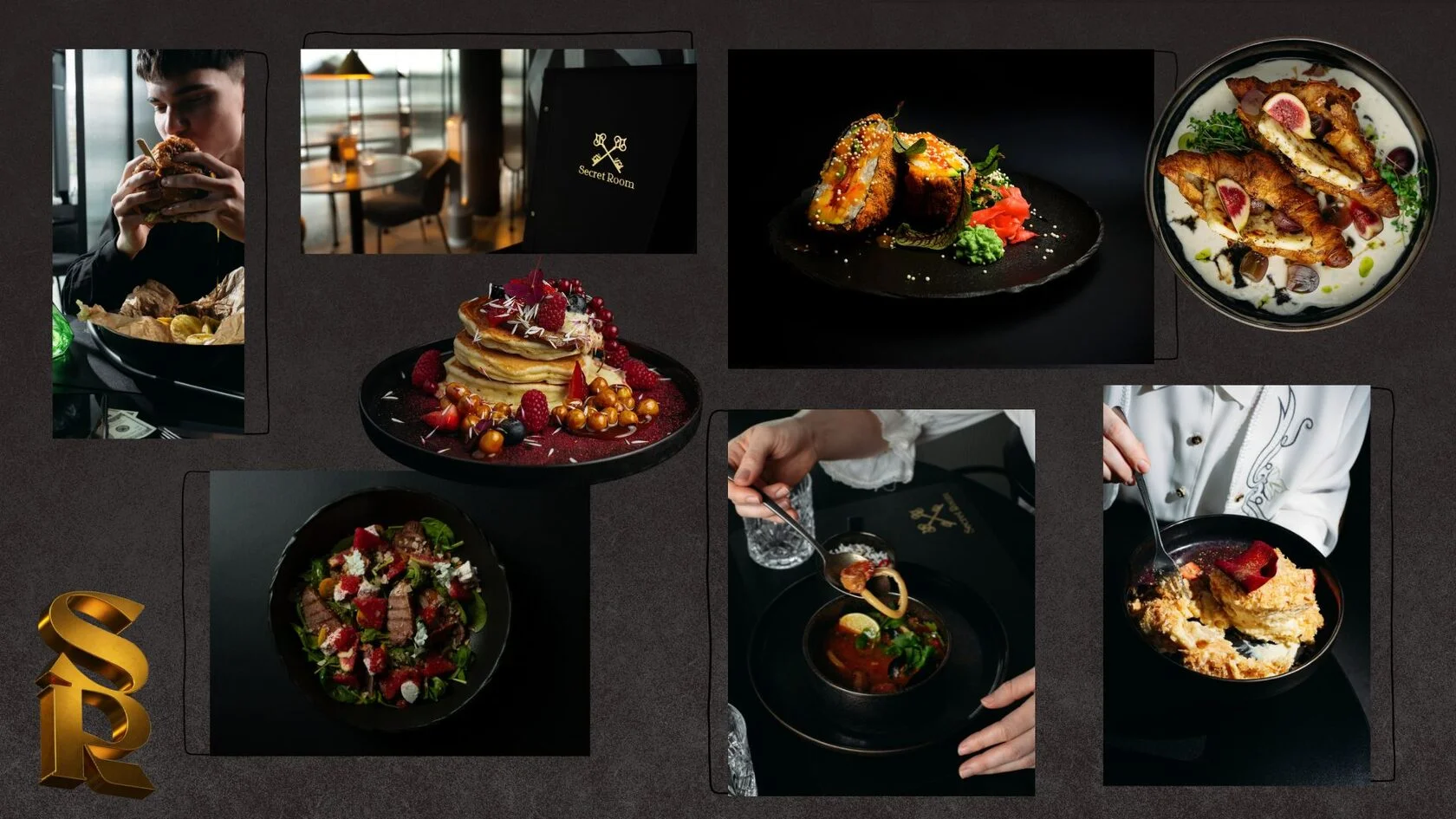
Our culinary journey around the world ends in a place where all tastes meet in one place every day. Menu in the Secret Room is proof that the best cuisines of the world can exist in harmony with each other and at the same time create unforgettable culinary experiences. And all this takes place in the heart of Gdańsk. In our atmospheric interior with atmospheric lighting, European cuisine combines with dynamic flavors of wok dishes and popular street food. And this is not a random combination. Every dish you see on your plate has come a long and fascinating journey from idea to perfect execution. Our unique bar offers amazing cocktails that perfectly complement the varied menu. The professional Lounge area is a place where you can enjoy the flavors in a comfortable atmosphere.Every evening in the Secret Room offers new opportunities to discover. It may be French finesse, other times Italian simplicity. How about Asian flavors? In our culinary menu, creativity takes many forms, but always of the highest quality and with great attention to detail.We invite you to visit the Secret Room! It is a place where the best cuisines of the world meet Gdańsk hospitality, and culinary experiences remain in the memory for a long time.
{{ctablock}}
How to match the kitchen to the mood?
We finished our culinary journey around the world. It's time for practical advice, that is, how to consciously choose the types of cuisine for different occasions and moods. Culinary craftsmanship is the skillful matching of tastes to the moment and company. Family gatherings are a time for dishes that unite generations. Ukrainian borscht, American BBQ or Italian pasta are dishes that everyone can appreciate. Cooking is the art of bonding. Choose dishes that can be shared and stories can be told. Experimenting in the home kitchen is best to start with the basics. Italian aglio e olio requires only four ingredients, Chinese scrambled eggs with tomatoes are the quintessence of simplicity, and Mexican guacamole will do for anyone. Gradually introduce new ingredients - soy sauce opens the door to Asian cuisine, while extra vergine oil is the basis of Mediterranean cuisine. The choice of drinks is a separate art. About this, What is Aperol and how it is combined with Italian flavors, you will learn from our article. Sake emphasizes the subtlety of Japanese cuisine, bière brings Mexican chili to life, and Burgundy wine brings out the depth of French cuisine.