What to see in Gdansk: a complete guide to the attractions of the city located on the Baltic
Gdansk is a true pearl of the Polish coast — a city with more than a thousand years of history, which impresses with its architecture, rich past and unique coastal climate. The capital of the Pomeranian Voivodeship offers a huge wealth of attractions that will please every tourist. Wondering what to see in Gdansk, during a weekend stay or a longer visit? We have prepared for you a guide to the most interesting locations that will make a walk in Gdańsk an unforgettable adventure.
Main City — the heart of the tourist Gdańsk
Royal Road and Long Market
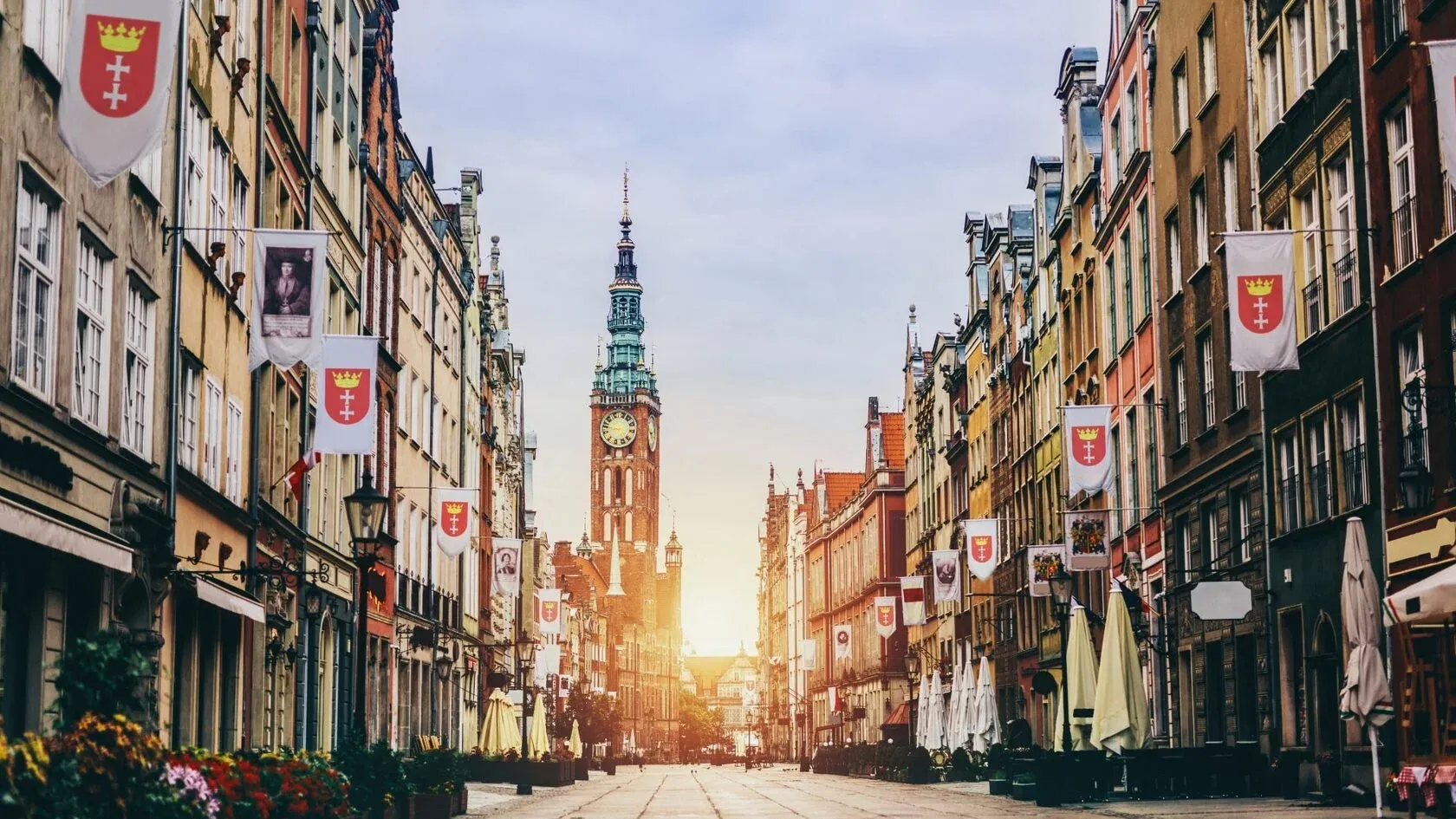
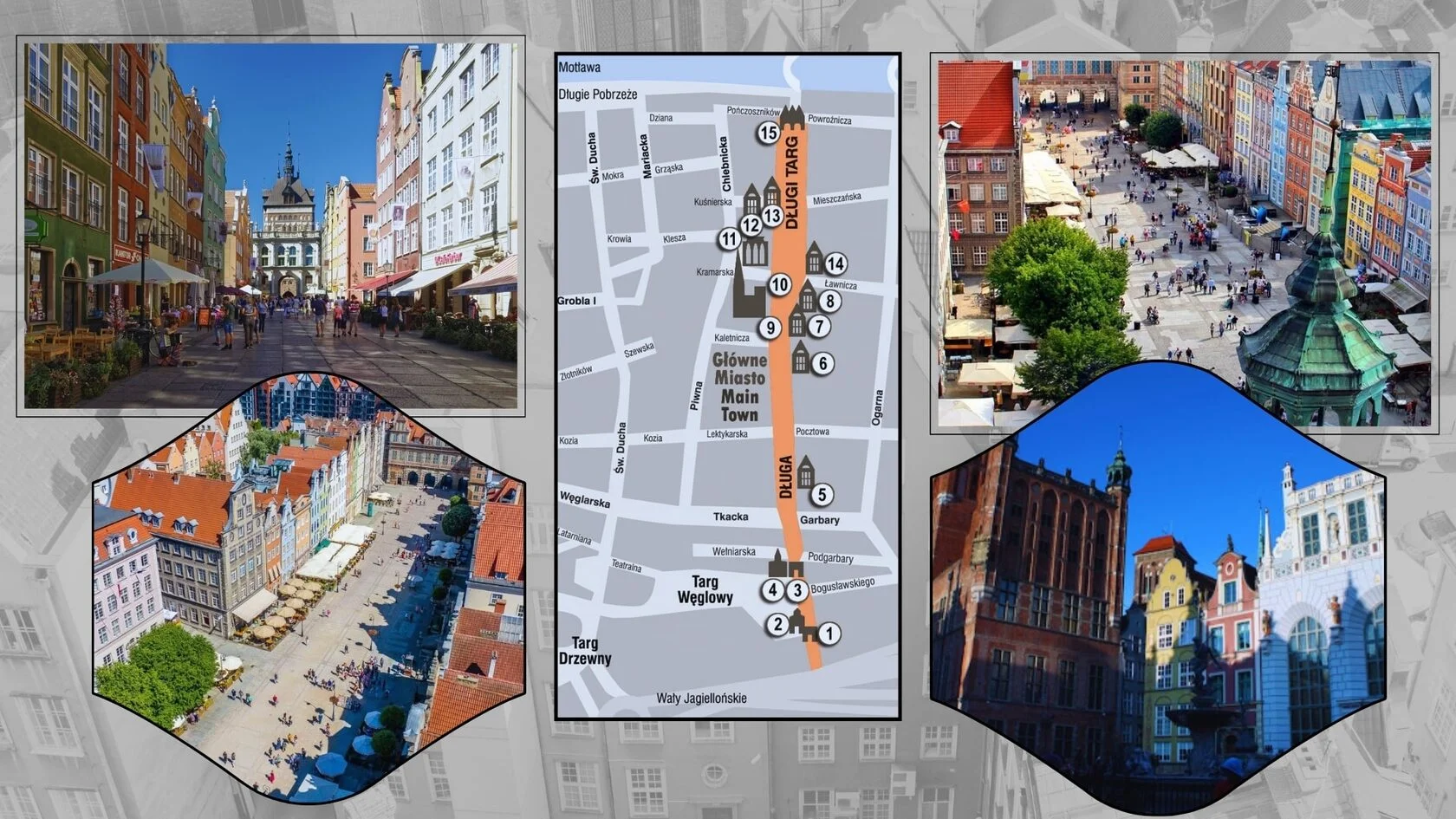
Start your walk around Gdańsk with the famous Royal Route, also referred to as the Royal Route. This representative artery leads from the Upland Gate through the Golden Gate, Długá Street to the Długi Targ — the location where the key attractions of Gdańsk are concentrated. Historically, this was the route that Polish kings followed during their ceremonial entrances to the city. Today, every step along this route is an encounter with history — from the Renaissance gates, to the Baroque tenement houses. The length of the entire route is about 500 meters, but the concentration of monuments in this space is quite impressive.Long Market is the actual heart of the Main Town, where you will find: Neptune Fountain — symbol of Gdansk since the 17th century, surrounded by legends about the Roman god of the seas; Town Hall of the Main Town with an observation tower that offers a spectacular panorama of the city in full 360 degrees; Manor Artus — the former meeting place of the rich patrician, and today a museum with a beautiful knight's hall; the House of Uphagen — a museum that shows the life of the Gdańsk bourgeoisie in the 18th century.
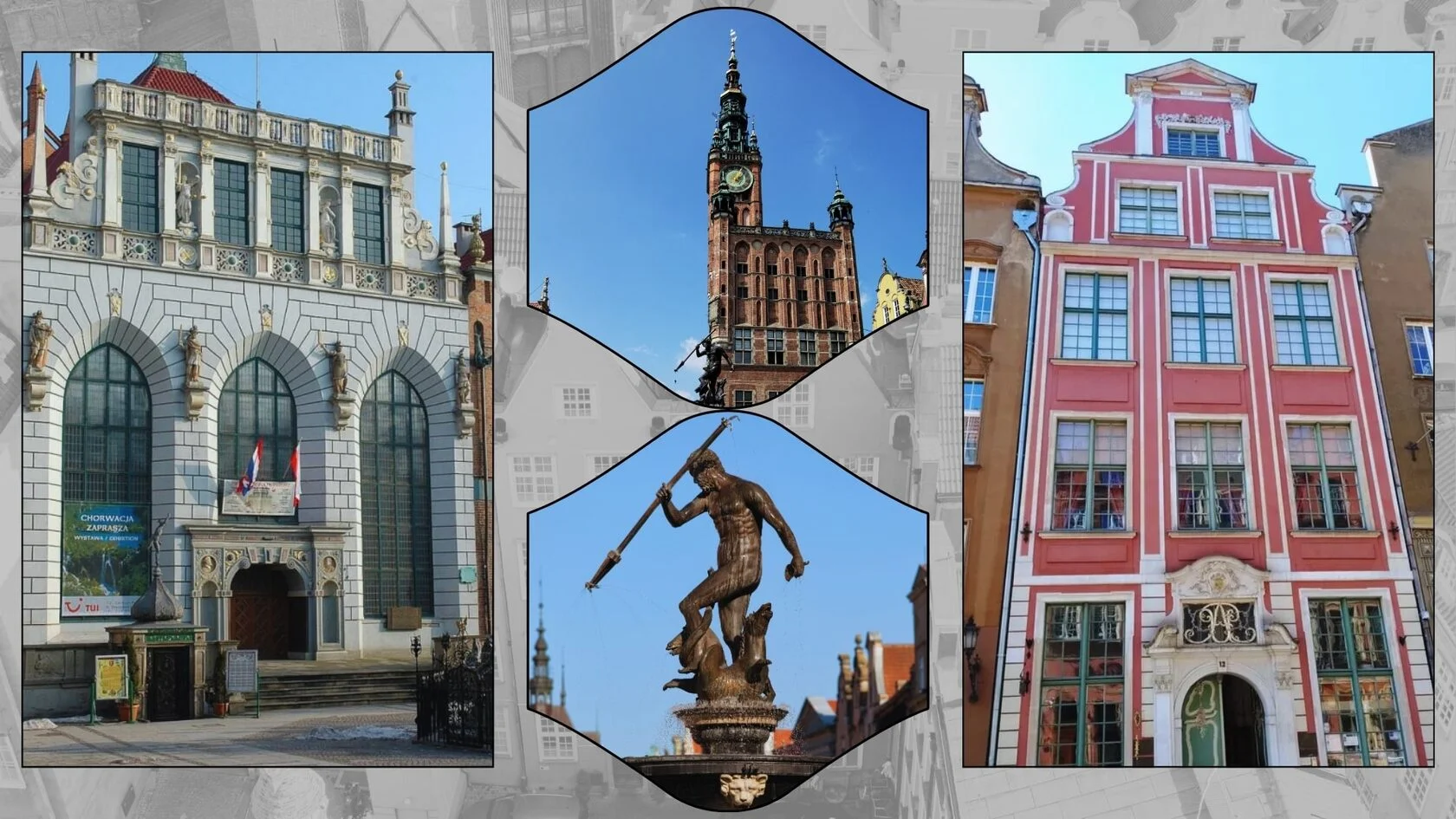
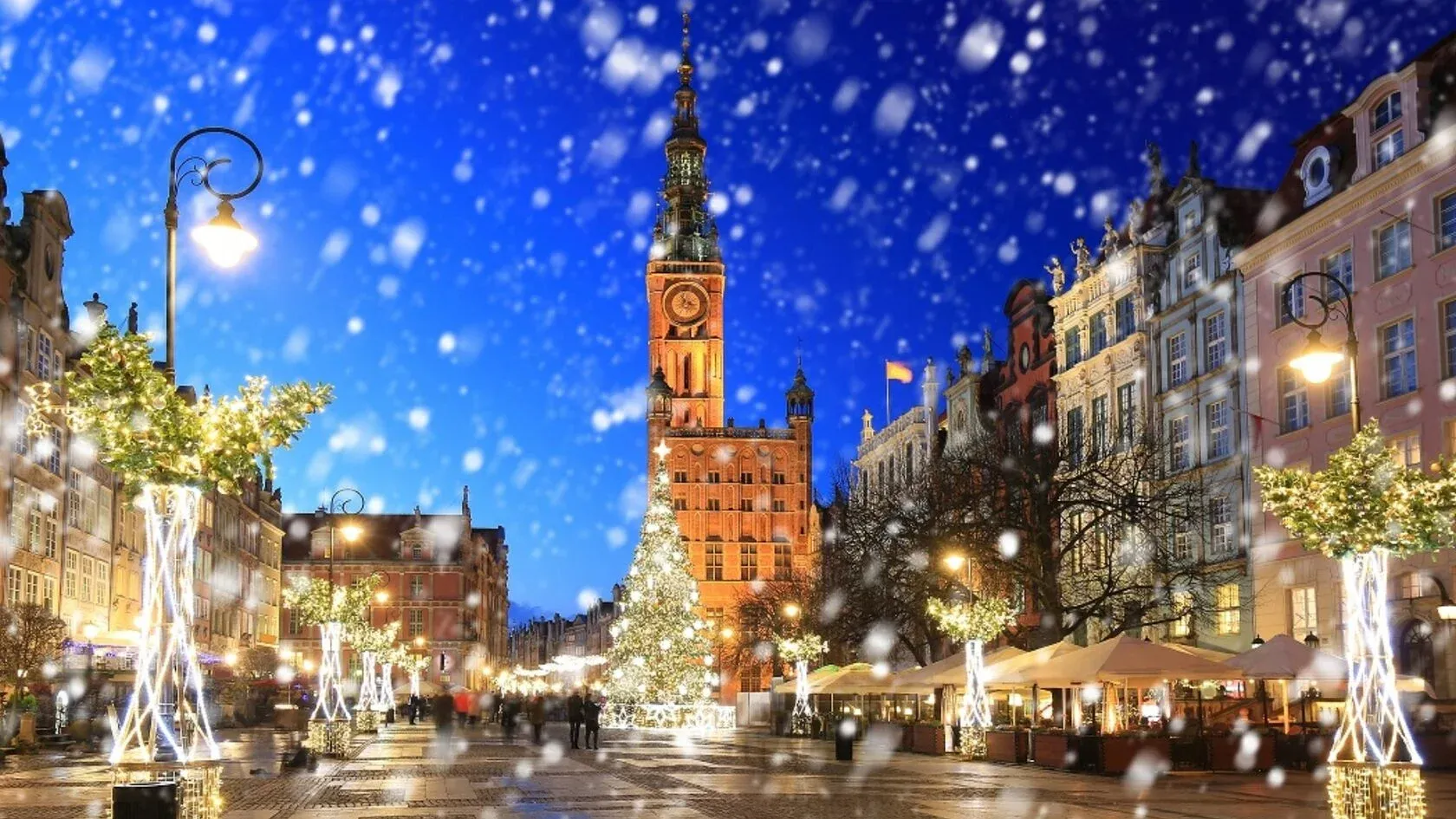
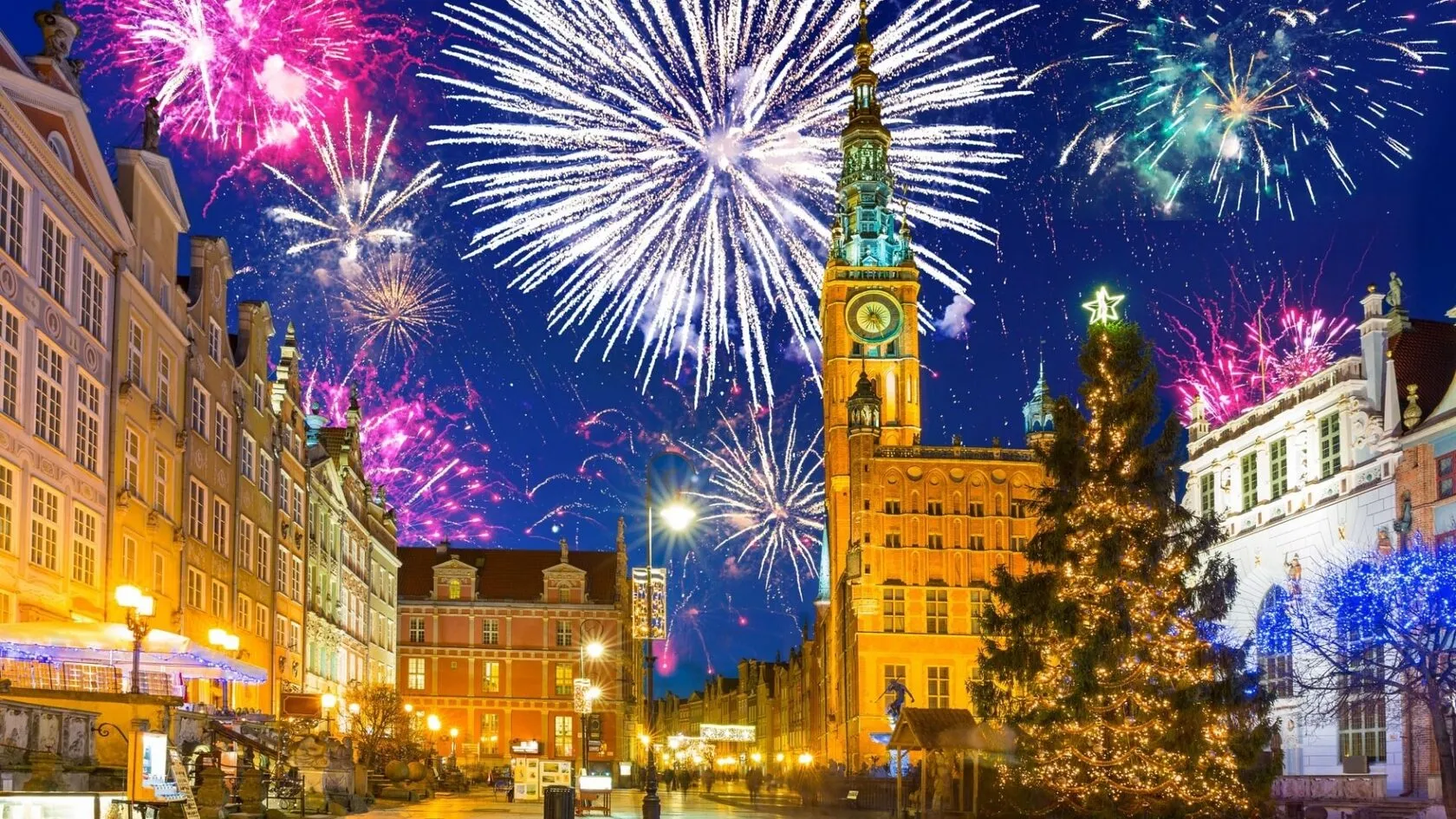
The Long Market was the place where the most important city celebrations, fairs and holidays took place. Colorful townhouses with richly decorated facades belonged to the richest Hanseatic merchants. Each building has its own unique history — from the Golden Tenement House to the Ferber House. In the evening, when the illumination lights up, the square acquires a magical character, and the restored architectural details sparkle in the light of the lamps.
St. Mary's Basilica — Gothic pearl
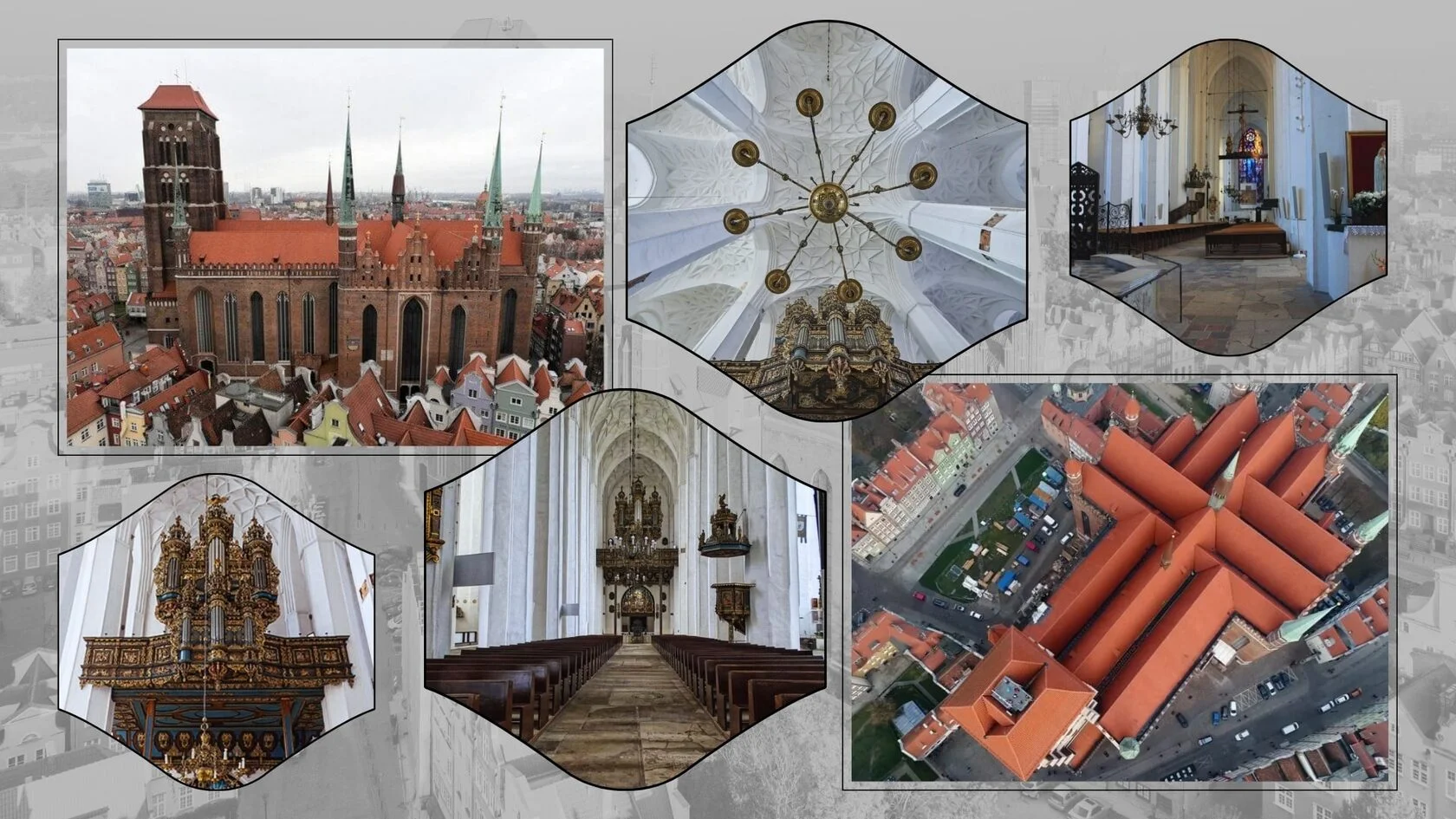
The largest brick temple in Europe is undoubtedly one of the key attractions of Gdańsk. In St. Mary's Basilica you can admire the famous astronomical clock from the 15th century, which to this day measures the time and phases of the moon. The 78-meter-high tower offers a spectacular view of the city. The ascent to the top requires overcoming 400 steps, but the panorama rewards any effort.The interior of the church impresses with Gothic architecture, and among the treasures is the “Beautiful Madonna” of the 14th century and the main altar of the 15th century. The construction of the temple lasted 159 years, from 1343 to 1502, which makes it a real work of generations of brick masters.
Mariacka Street — the most beautiful street in Gdańsk
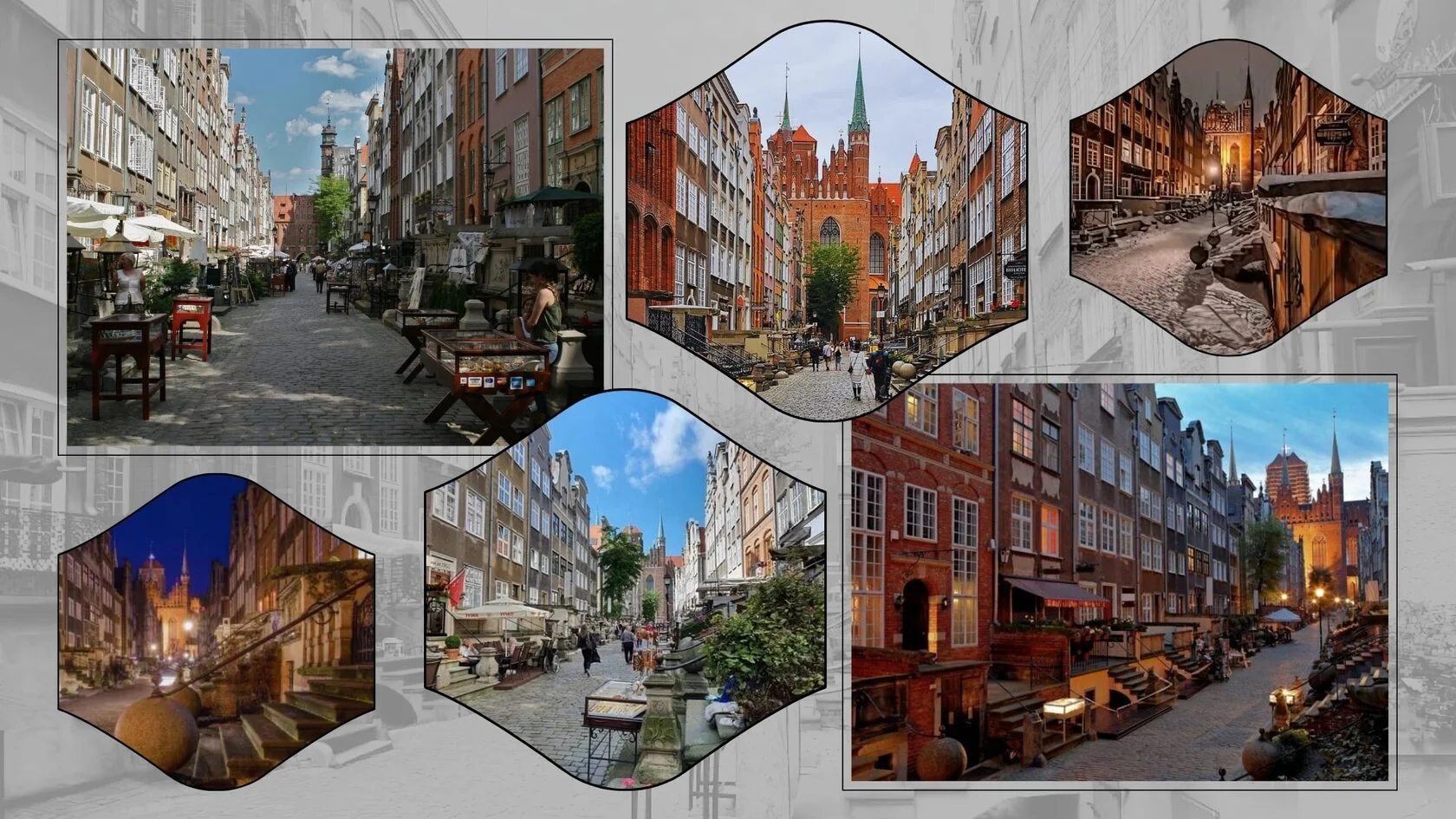
This short but charming street impresses with its original townhouses with characteristic portholes and gargoyles. It is an excellent location for a romantic walk in Gdańsk among amber boutiques and cozy cafes. The vestibules are unique terraces in Gdańsk in front of the tenement houses, decorated with carved railings and gutters in the shape of dragon heads. The street was carefully restored after the war damages, retaining its original character with cobblestone pavement. It is here that the best amber jewelry stores and art galleries are located. In the evening, the street is bustling with restaurants serving international cuisine, and the atmosphere invites for long walks.
Seaside attractions in Gdansk
Westerplatte — a place of remembrance
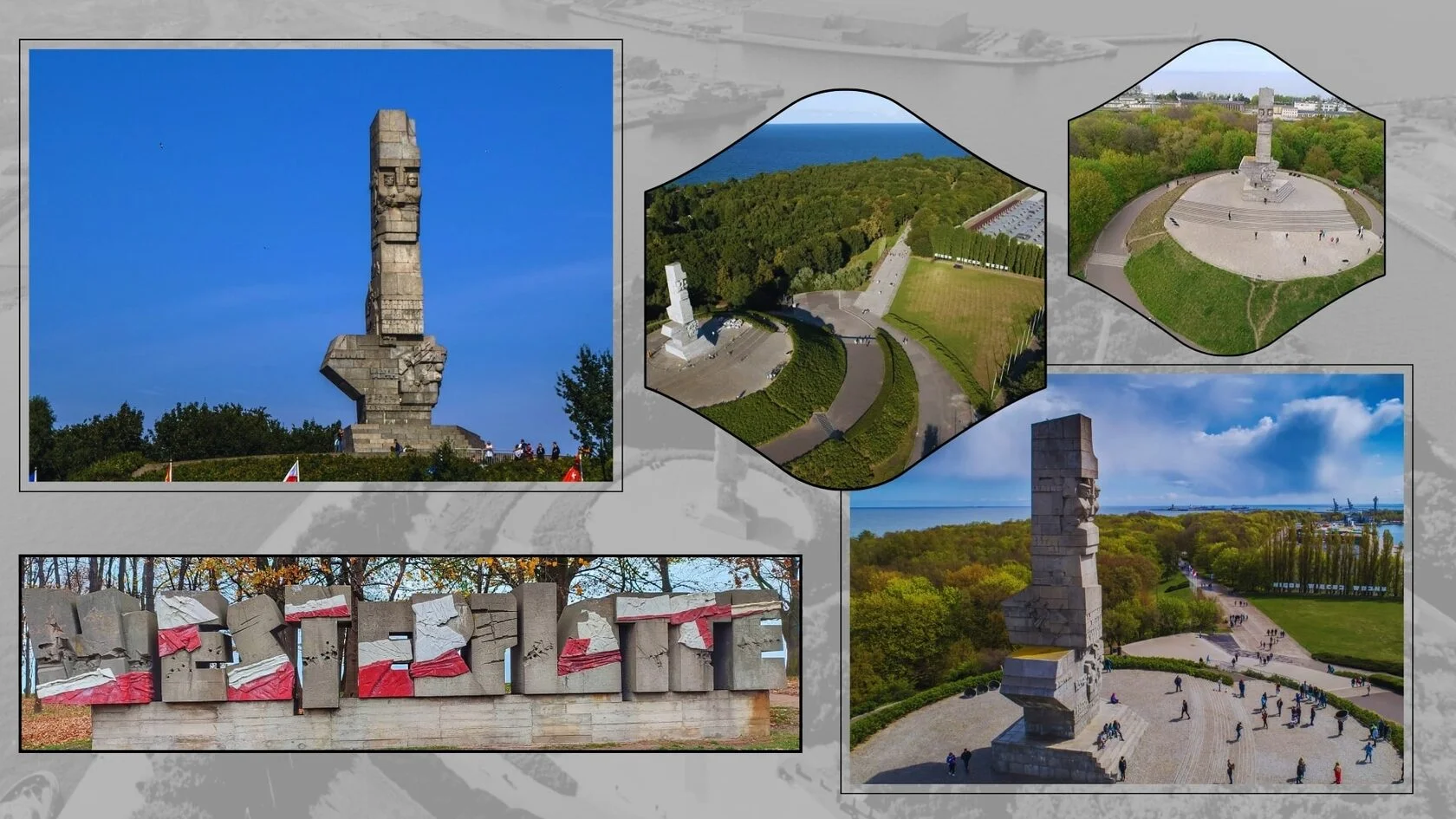
The Westerplatte Peninsula is a symbolic location where the Second World War began on September 1, 1939. Monuments in Gdańsk related to this area include, first of all, the 25-meter Monument of the Defenders of the Coast, which majestically towers over the Gulf of Gdansk. During the seven-day heroic defense, 182 Polish soldiers resisted the overwhelming German superiority. Today, on the peninsula you can visit the ruins of barracks, sentries and warehouses, and an educational path leads through all the most important places of fighting. The monument offers a beautiful view of the port of Gdańsk and the Bay, and the surrounding park invites contemplation.Access is possible by tram, bus or romantic cruise, which we can go on by boat from the city center.
Beaches and piers of Gdańsk
What to see in Gdansk? Something for lovers of the seaside climate:
- Beach in Brzezno with lifeguard and Blue Flag - a wide, sandy beach, ideal for families with children;
- Pier in Brzezno — 220-meter structure perfect for walking by the sea and admiring the sunset;
- Beach in Jelitkowo — the most popular beach with full gastronomic and sports infrastructure;
- Roofs — wild beach with lakes and forests, ideal for those seeking peace and nature.
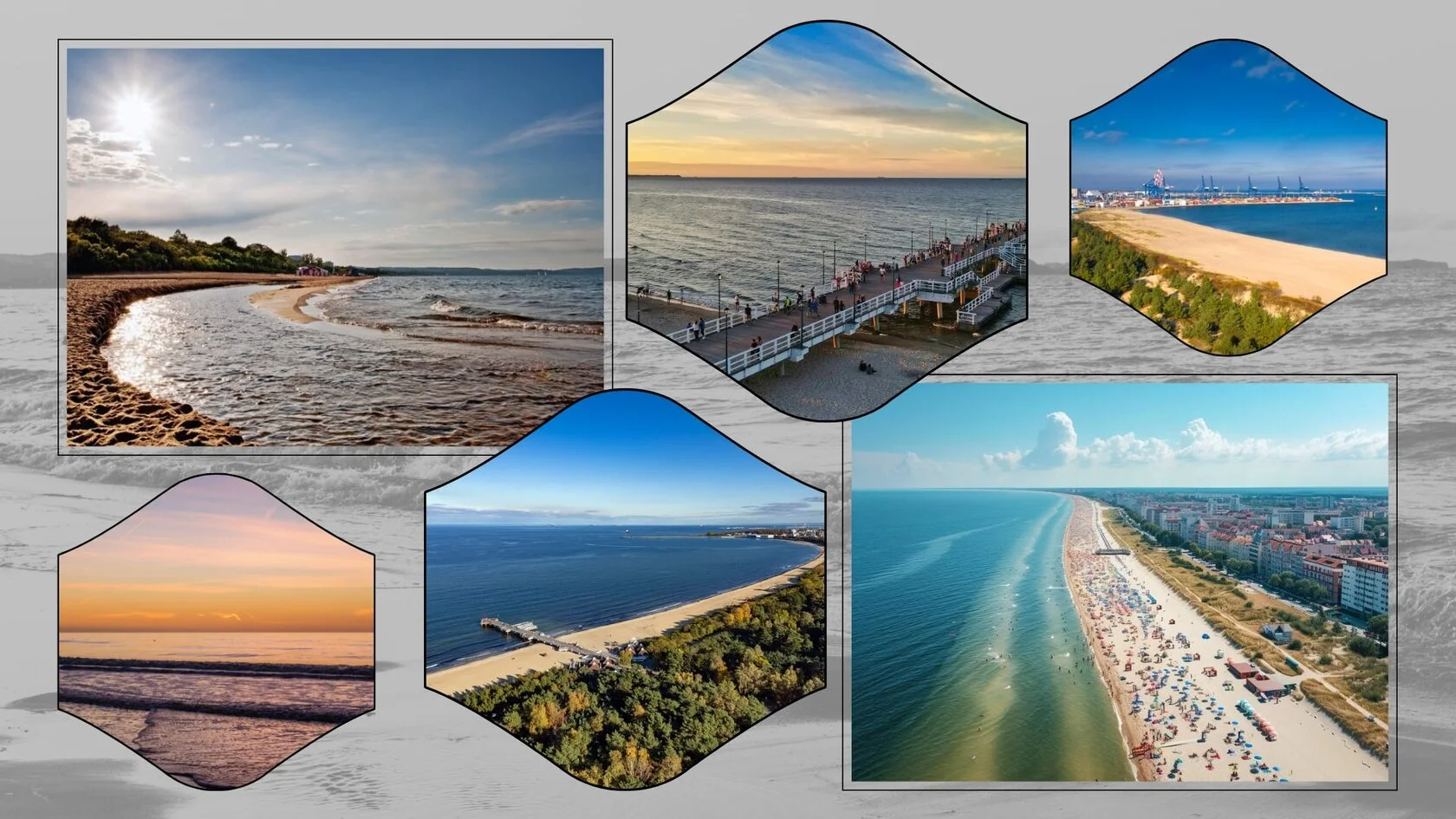
The Gdańsk coast offers a variety for everyone - from the city beaches with full facilities, to the wild corners at the mouth of the Vistula. Brzezno is famous for its family atmosphere and excellent infrastructure, while Stogi is a real enclave of nature in a big city. In summer, all beaches are guarded, and the water temperature reaches up to 20 degrees Celsius.
{{ctablock}}
Oliwa — green district of Gdańsk
Olive Park and Archcathedral
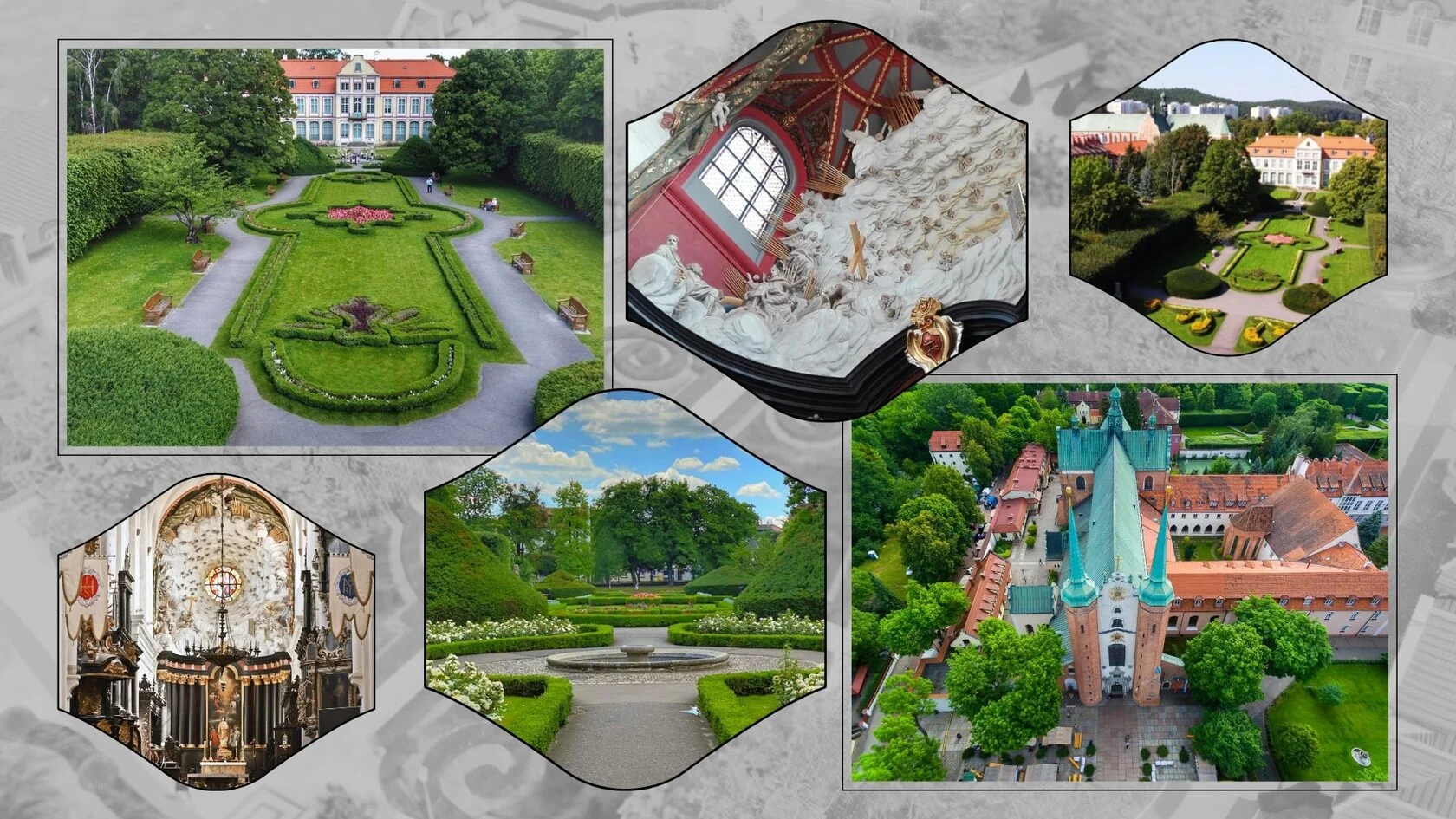
Oliwski Park is one of the most beautiful parks in Poland, connected with the historic Oliwska Cathedral. It is worth listening to the concert on the famous organ of the 18th century - from Monday to Saturday, from 10:00 to 15:00, there are performances of the game, during which you can hear angels and birds singing in wooden pipes.
The park was created in the French style in the 18th century and impresses with geometric alleys, sheared hedges and romantic corners. There is a famous boxwood labyrinth, whisper grottoes with unique acoustics and a baroque palace of abbots. The Oliwa Cathedral is today the seat of the bishopric of Gdańsk, and its rich interior hides works of sacred art from different eras. In spring, thousands of tulips bloom here, and in autumn the park delights with amazing foliage colors.
Pacholek Hill
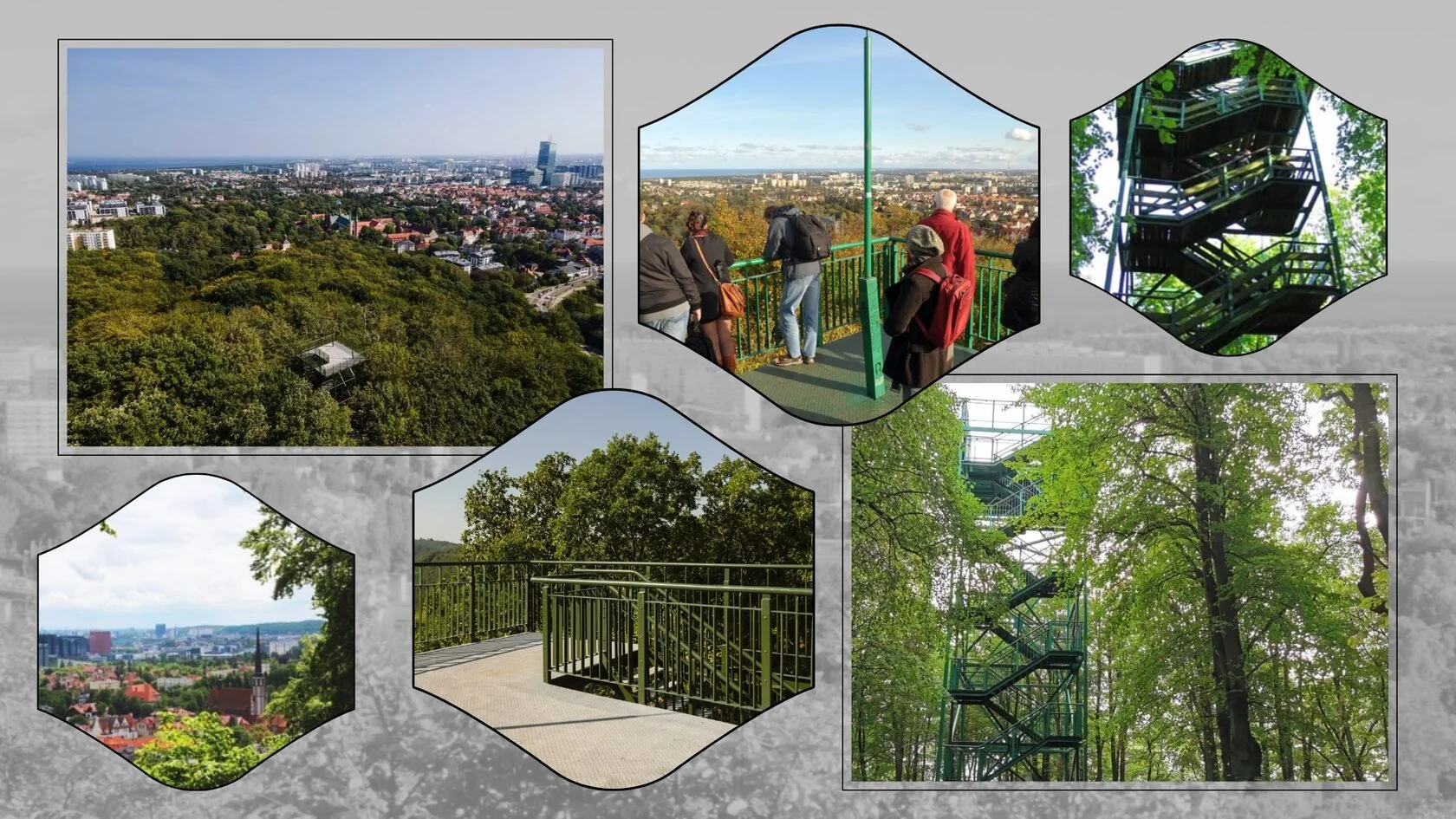
The observation tower on the Pacholek Hill offers a magnificent panorama of Gdansk and the Gulf of Gdańsk. This place is an excellent location at the end of a walk in Gdańsk. The steel tower is 25 meters high and was built in 1986, offering a 360-degree view of the entire Tri-City. At the foot of the hill there is a monument to the Battle of Oliwa from 1627, commemorating the victory of the Polish fleet over the Swedish one. The climb to the top leads through the picturesque Valley of Joy, where old trees grow and spring flowers bloom. This is a favorite place for photographers and young couples - especially at sunset, when the light lights up the sky over the Bay of Gdansk.
Contemporary attractions of Gdańsk
European Solidarity Centre
This innovative museum institution tells the story of the Solidarity movement and the transformations in Central and Eastern Europe. From the outside, the building attracts attention with its original architecture, which resembles the hull of a ship or a lump of rust, referring to the industrial past of the Gdańsk Shipyard. Inside, on seven floors, there is a modern multimedia exhibition that interactively shows the way from the birth of Solidarity in 1980 to the fall of communism in Europe. Here you can see authentic documents, listen to recordings of strikes and even enter the reconstruction of an apartment from the 80s.The museum has received many international awards for its innovative approach to recent history.

Museum of the Second World War
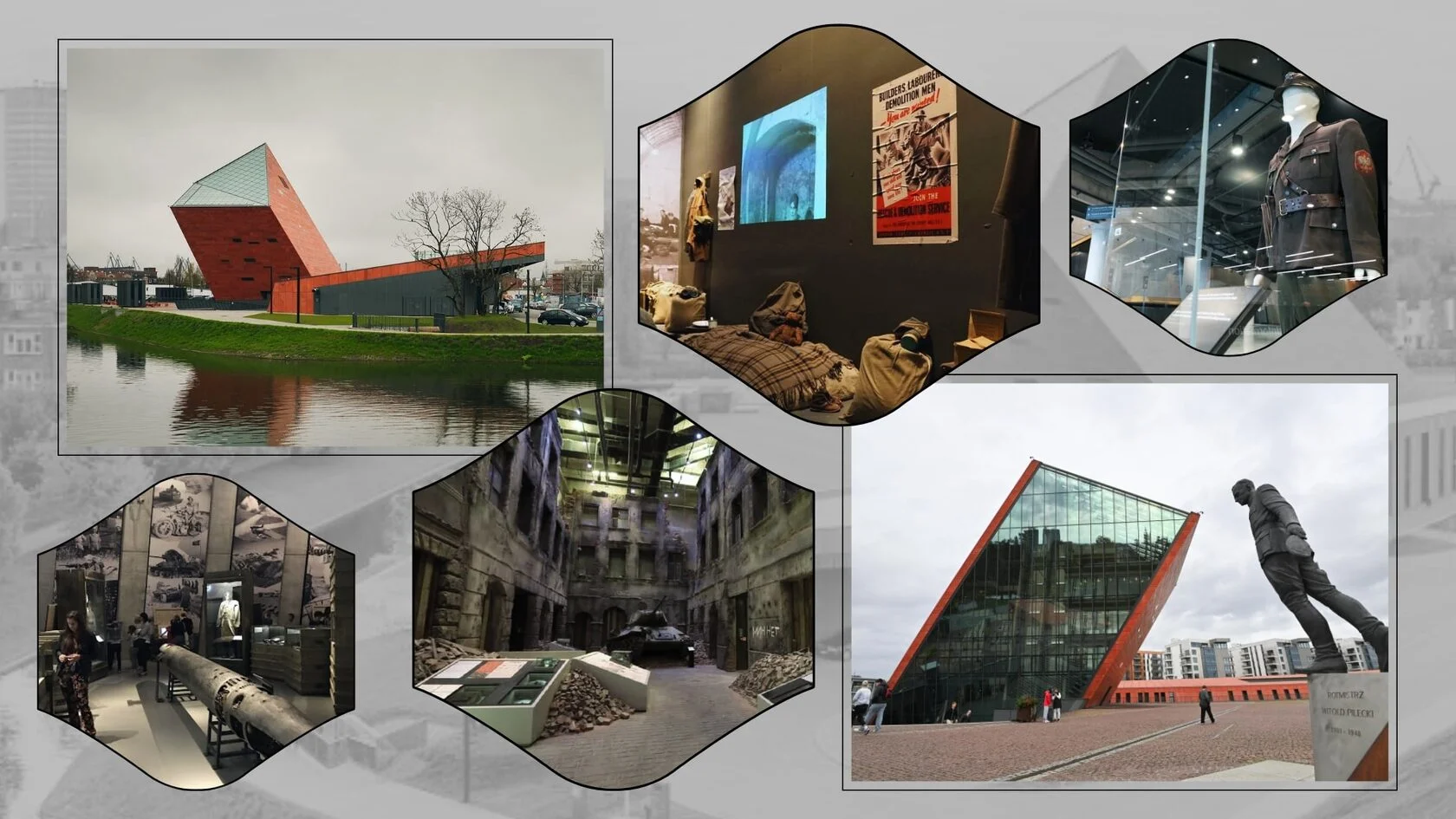
One of the most modern museum institutions in Europe presents the history of the conflict from the perspective of the civilian population. Interactive exhibitions make a huge impression on visitors. The museum occupies a modern building, partly underground, which symbolically refers to the war shelters. On an area of 5000 m², the fates of ordinary people from all over the world who have experienced the horrors of war are presented. The exhibition includes reconstructions of Westerplatte streets, the bombed Warsaw or the Gdańsk ghetto. The rooms dedicated to the Holocaust and the liberation of Europe are particularly impressive. The museum uses the latest VR technologies and holograms to bring visitors closer to the dramatic events of 1939-1945.
Fortifications and monuments in Gdańsk
Crane — symbol of the city
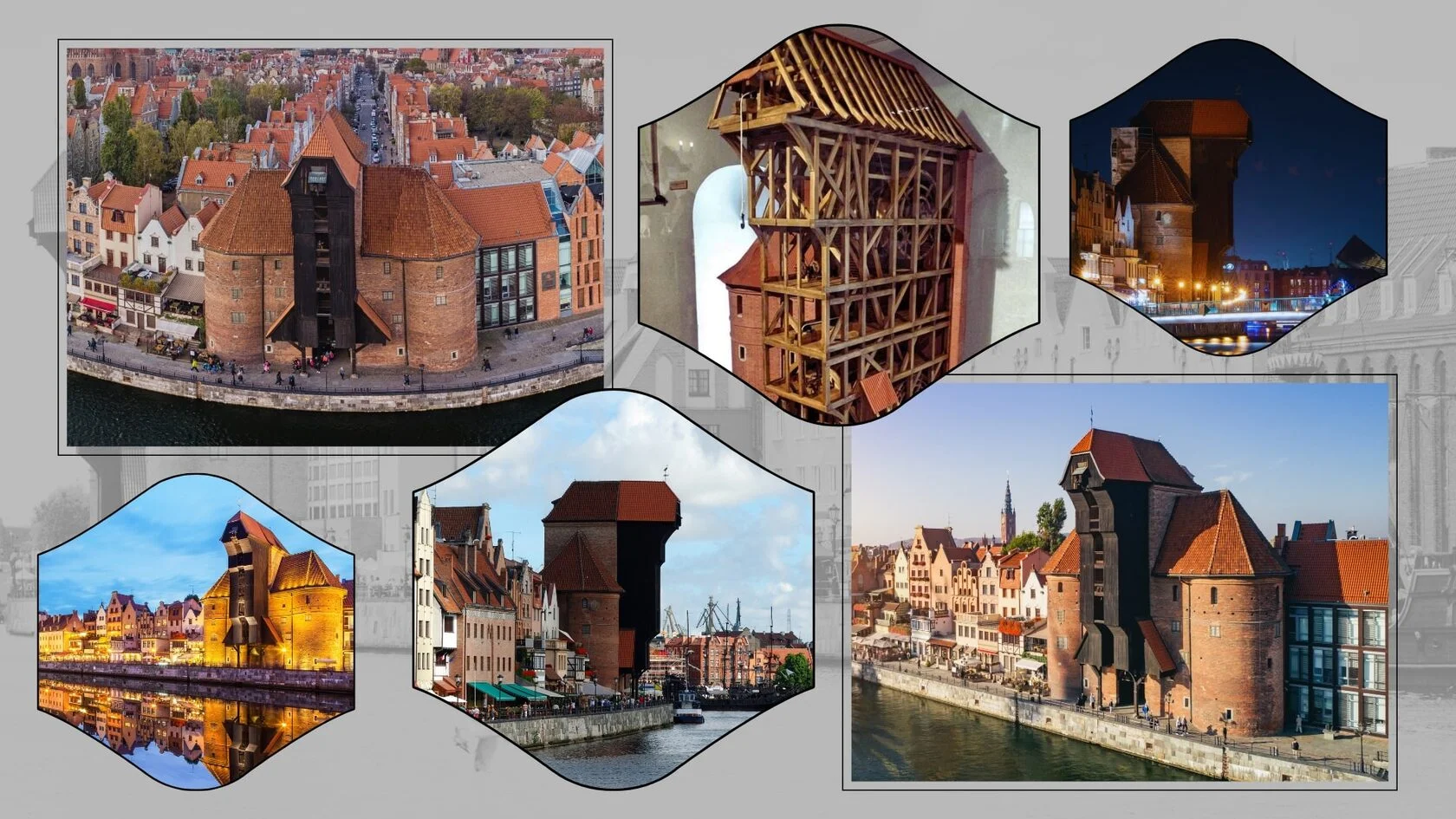
The medieval port crane is the largest of its kind in Europe and now houses the Central Maritime Museum. The crane belongs to the central monuments in Gdańsk reminding of the port past of the city. The 15th century structure was used to load goods onto ships and was the most important port facility of the Hanseatic League. The crane could lift loads up to 2 tons to a height of 11 meters, which was a technological miracle of the time. The structure consists of two round towers connected by a gate, and the mechanism was driven by the force of human muscles through a system of mill wheels.Today you can tour its interior, see a working model of the mechanism and admire the collection of ship models. From the upper floors there is a beautiful view of the Motława and the Green Gate.
Fortifications of Wisłoujście
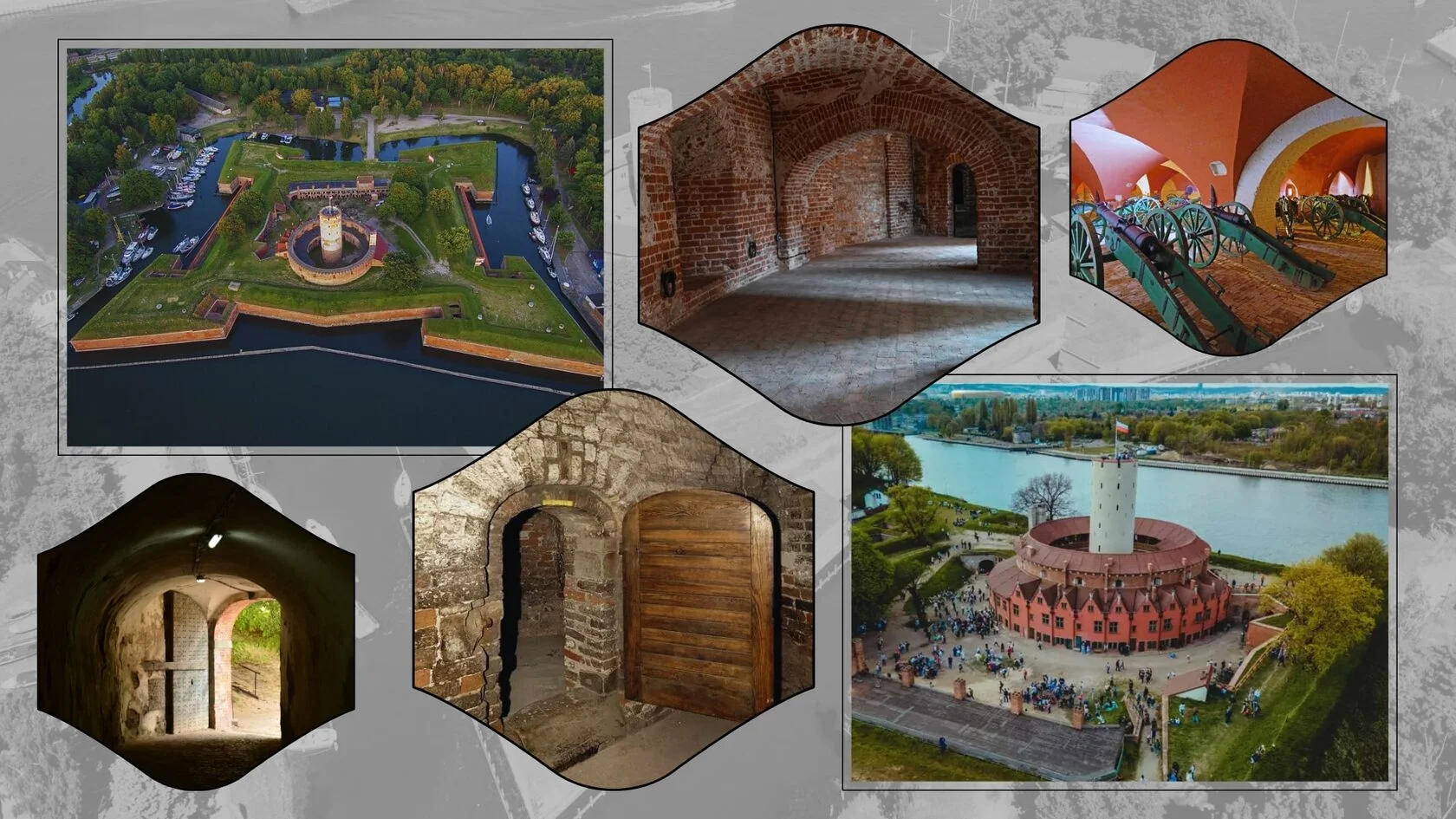
On Sobieszewska Island there is the Wisłoujście Fortress with a lighthouse from 1482, one of the oldest in the Baltic. This powerful fortification complex guarded the entrance to the port of Gdansk for centuries and was called the “key to Gdansk” .The fortress passed through the hands of Teutonic, Poles, Swedes and Prussians, and each of the occupiers added its defensive elements. The lighthouse, erected from red brick, is 27 meters high and has been modernized for centuries - the last time in 2001, when modern LEDs were installed. Visiting the fortress, you can see bastions, casemates, a drawbridge and an exposition dedicated to the history of the defense of the coast.
Culture and entertainment in Gdańsk
Secret Room Gdansk — culinary pearl
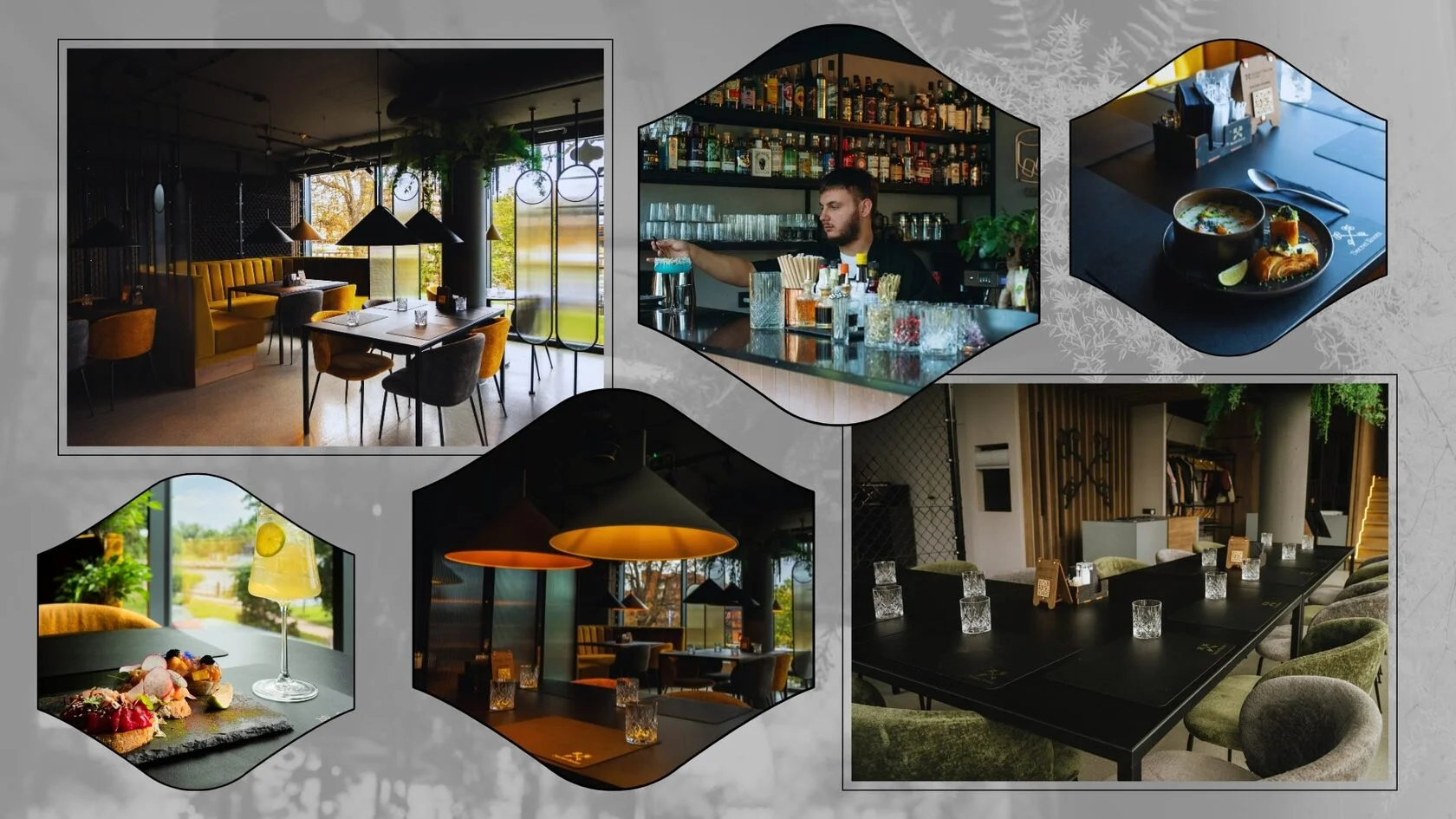
Secret Room Gdańsk at 7 Stępkarska Street is a real gem for those seeking exceptional culinary experiences. This innovative restaurant and lounge bar combines exquisite signature cuisine, lounge area and music space. Green interiors, concerts by local artists and signature cocktails make the restaurant an ideal location for an evening out and get to know the new face of Gdańsk gastronomy.
Amber Museum
Gdansk is the amber capital of the world, and the museum is housed in the Gothic Penitentiary and Prison Tower from the 14th century. The collection of inclusions in amber is among the richest in the world. Visitors can admire inclusions from 40 million years ago - insects, arachnids, leaves and flowers trapped in the resin of conifers.The museum also presents the history of the amber trade on the amber route that connected the Baltic with the Mediterranean Sea. The collection contains works of amber art from the Middle Ages to the present, including fragments of the famous Amber Chamber.A separate attraction is the workshops, where you can see how modern artists process “Baltic gold”. The museum building itself is a monument — Katowice once housed a city tour track, and the Prison Tower served as a place of executions.

Madison Gallery and Forum Gdansk
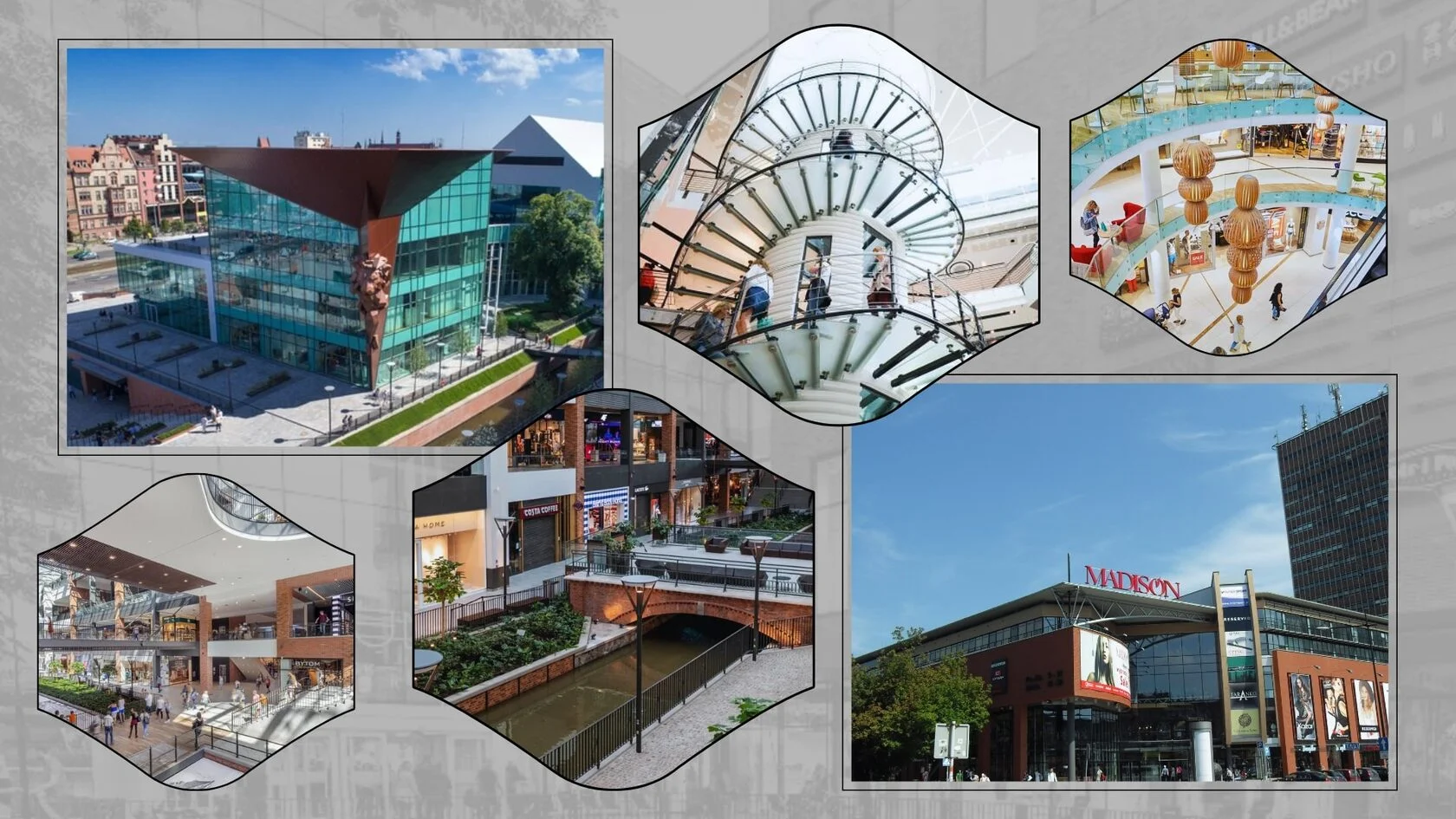
Modern shopping centers offer not only shopping, but also entertainment - cinemas, restaurants and cafes overlooking the historic city. Madison Gallery was established in 2009 on the site of the former shipbuilding hangars, preserving the industrial character of the interiors. On five floors there are more than 200 shops, and on the roof there is an observation deck with a panorama of the Motława River.
Forum Gdansk is the newest shopping center, opened in 2019, which attracts with its modern architecture and rich gastronomic offer. Both complexes are perfectly connected to the city center and offer multi-level parking. These are ideal places for shopping on a rainy day or going out to the cinema and restaurants in the evening.
Neighborhoods and peripheries worth discovering
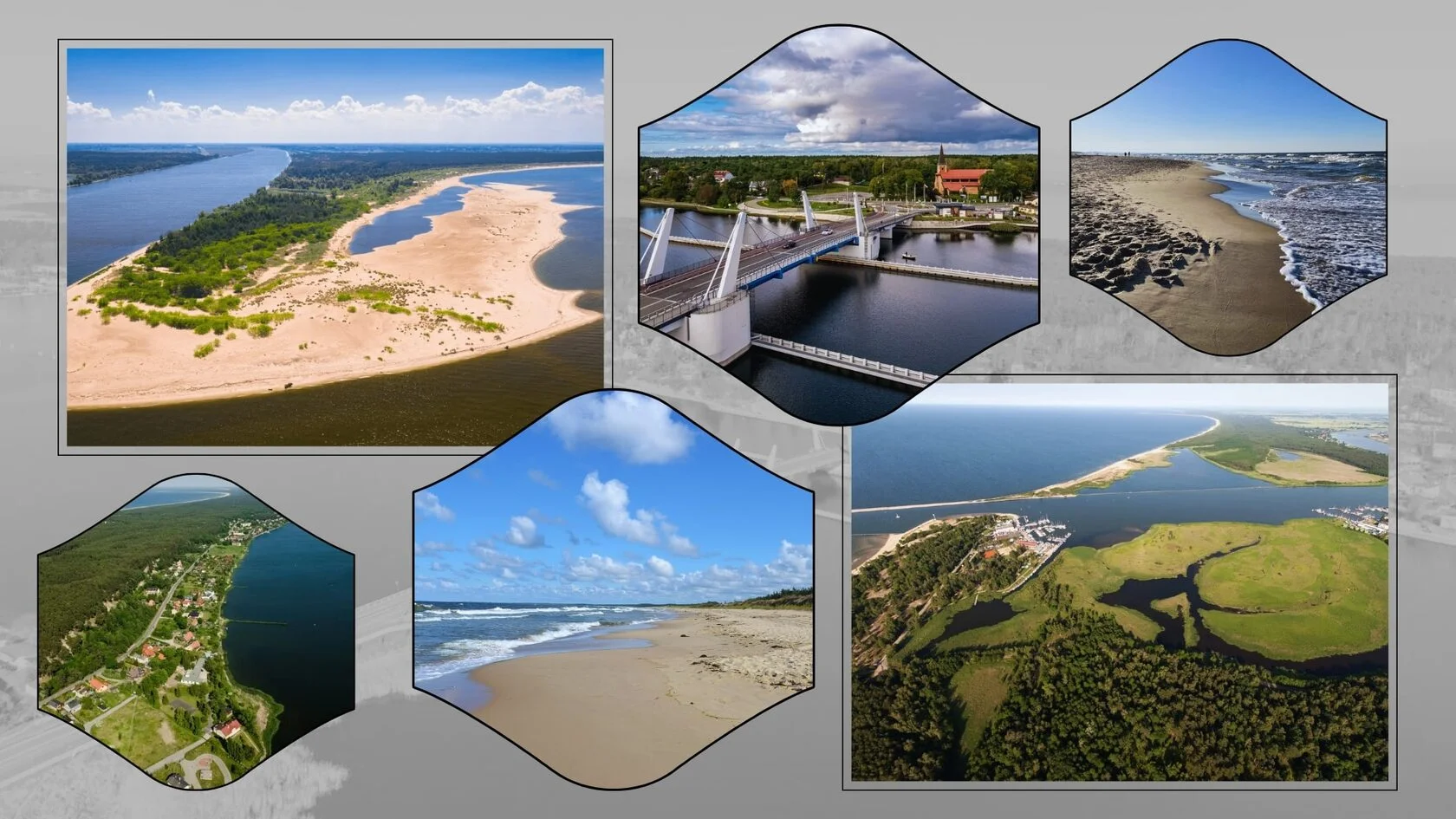
Sobieszewska Island
This man-made island is a paradise for nature lovers. The “Bird Paradise” and “Mewia Łacha” reserves protect more than 300 species of birds. Educational paths lead through dunes and coastal forests. The island was created in 1895 as a result of the excavation of the Vistula. Today it covers an area of 34 km². Sobieszewska Island is the only place in Poland where you can meet gray seals resting on sandy beaches.The reserve “Bird Paradise” is famous for its cranes, which can be observed during migration, and “Mewia Łacha” is the largest colony of seagulls in Poland. The bike path leads through the whole island, passing the lighthouse, the Wisłoujście fort and several coastal settlements. Getting there by bus no. 186 is an adventure in itself — the route leads over a pontoon bridge over the Vistula Śmiała.
Old Town and Grand Mill
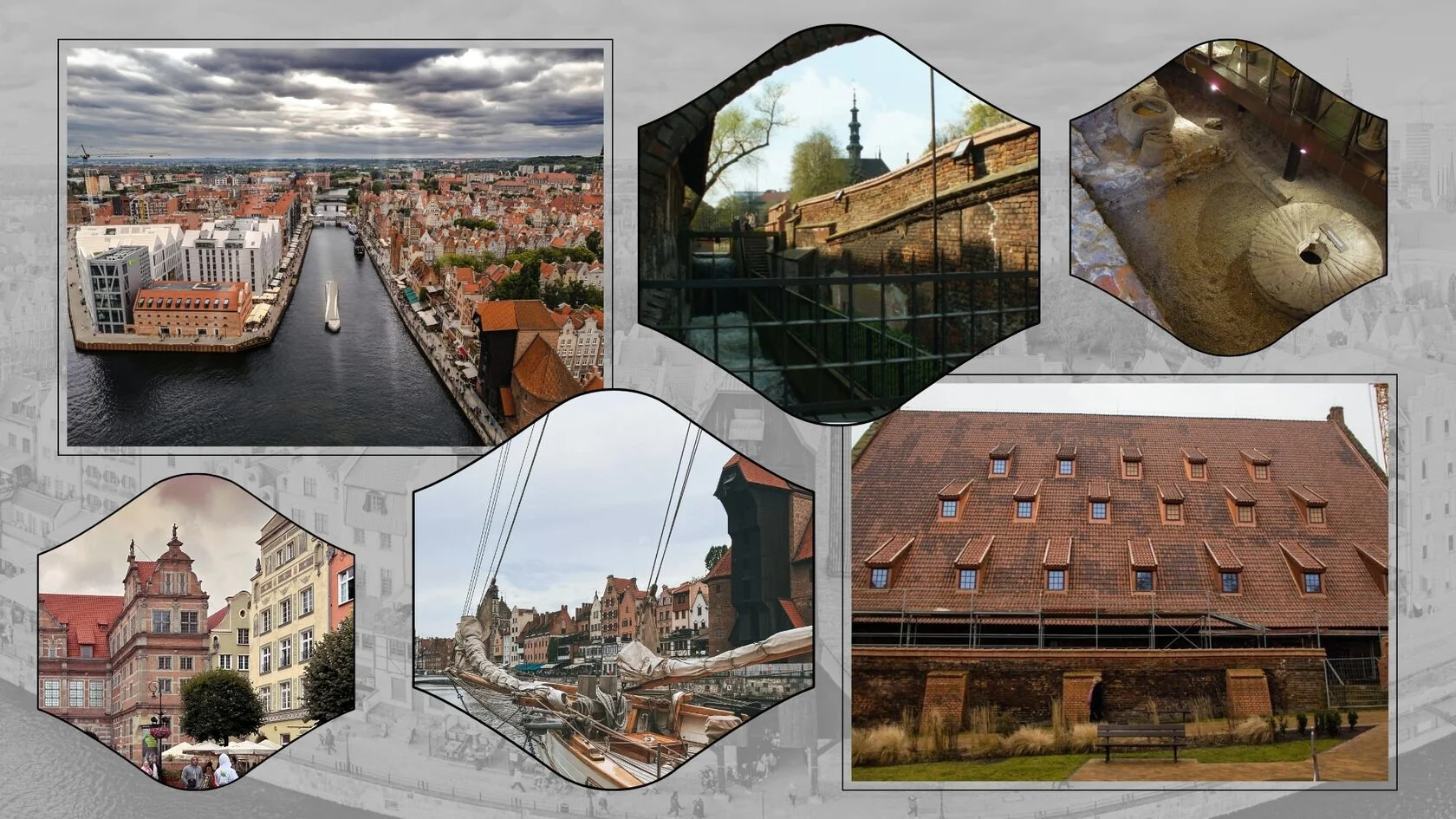
The Old Town, despite being destroyed during the war, has preserved several valuable monuments, including the Gothic Grand Mill from the 14th century and the Old Town Hall. Wielki Mlyn is the largest mill in medieval Europe, built by the Teutonic Knights, in the years 1350-1370, on Raduna. The structure is 40 meters long and was driven by 18 water wheels, grinding up to 200 tons of grain per day.Today, the building houses a shopping center, but part of the mill mechanisms have been preserved, as museum exhibits. The Old Town Hall from the 14th century survived the war in relatively good condition and now houses administrative offices and a small art gallery.In the area, it is worth seeing the Church of St. Catherine with the oldest bells in Gdańsk and the Kata's House on Katarzynki Street.
100cznia — entertainment area
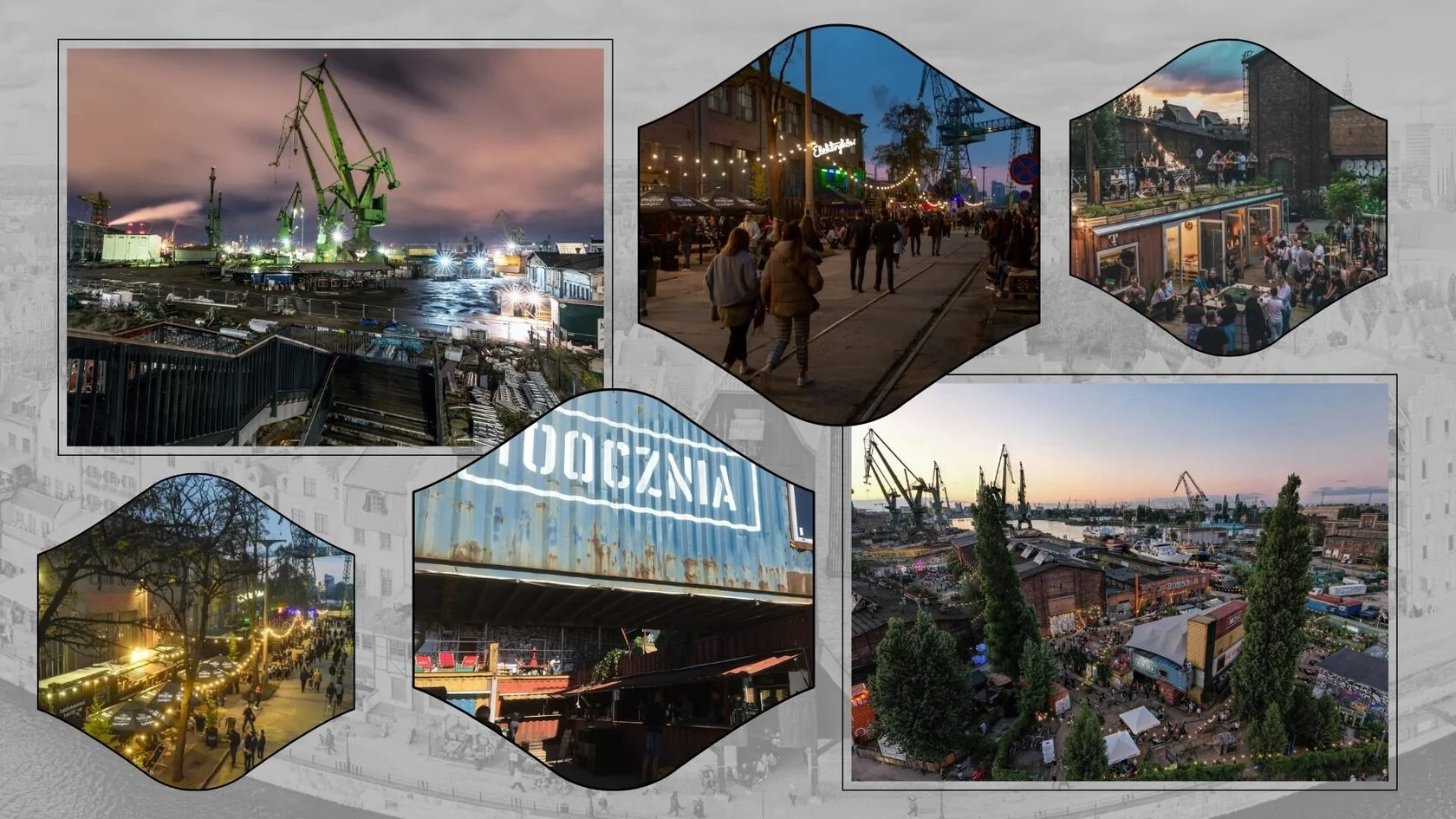
The former area of the Gdańsk Shipyard has been transformed into a contemporary gastronomic and entertainment area with numerous bars, restaurants and clubs, located in industrial interiors. The name “100cznia” refers to the 100th anniversary of regaining independence in 2018, when the complex was opened. The former production halls now house trendy pubs, fusion restaurants and music clubs. The original red brick architecture, steel structures and industrial details have been preserved, which create a unique atmosphere. This place especially comes to life in the evenings and on weekends, when concerts, gastronomic festivals and cultural events are organized there. For history lovers, an educational path has been prepared telling about the importance of the shipyard for Gdańsk and the Solidarity movement.
Practical tips for visitors
Transportation and movement
A walk around the Main Town can be done entirely on foot. For further routes use:
- SKM (City High Speed Railway) — connections to Sopot and Gdynia;
- Trams and city buses;
- Bike S bike rentals;
- Ships of Gdańsk Shipping on Westerplatte.
The best viewpoints
What to see in Gdansk from above:
- Tower of the Town Hall of the Main City;
- Tower of St. Mary's Basilica;
- Hradowa Mountain with Fort;
- Pacholek Hill in Oliva;
- Lighthouse on Westerplatte.
{{ctablock}}
Gdańsk: your next destination on the travel map
Gdansk is a city that offers an extraordinary variety of attractions — from medieval monuments, through modern museums, to beautiful beaches. What to see in Gdansk? It all depends on your interests! It is certain that everyone will find something for them.A walk through Gdańsk is a journey through a thousand years of history, and the numerous attractions of this city make you want to return here. Don't forget to visit Secret Room Gdańsk — a location where tradition meets modernity in a culinary edition, creating unforgettable memories of your stay in this unique city. Gdańsk awaits you with open arms — a city where every stone has its own history, and each monument tells a fascinating story about the past of this unique area on the map of Poland.